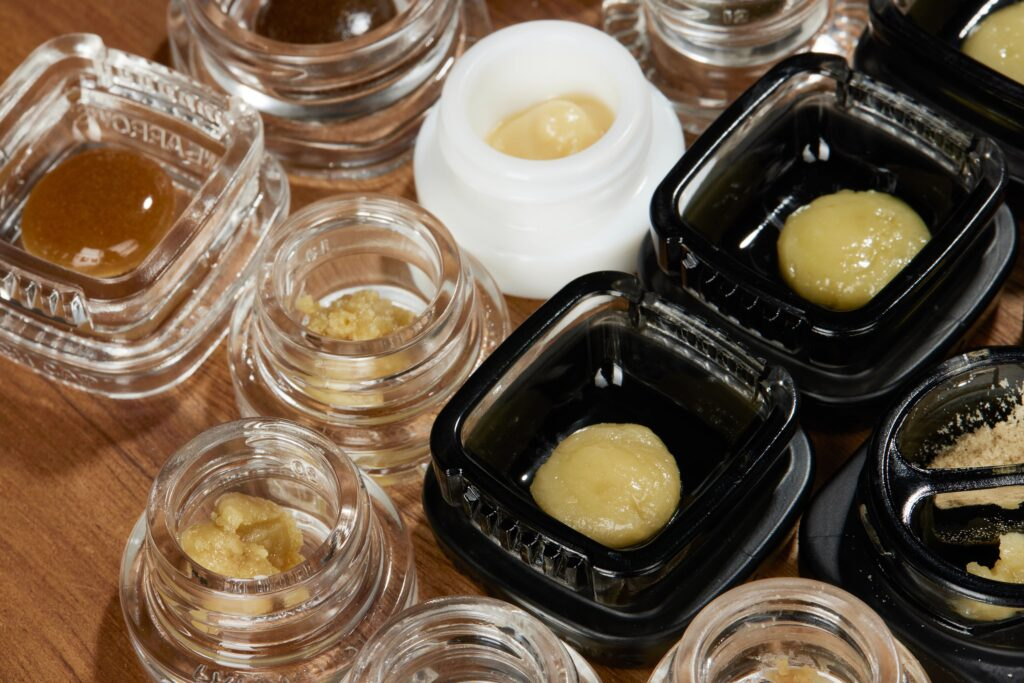
90u rosin is prized because this micron range captures mature trichome heads packed with cannabinoids and terpenes while filtering out more unwanted plant material. That balance — cleaner melt, sharper flavor, smoother texture — is what hashmakers are actually chasing when they spec a 90u wash.
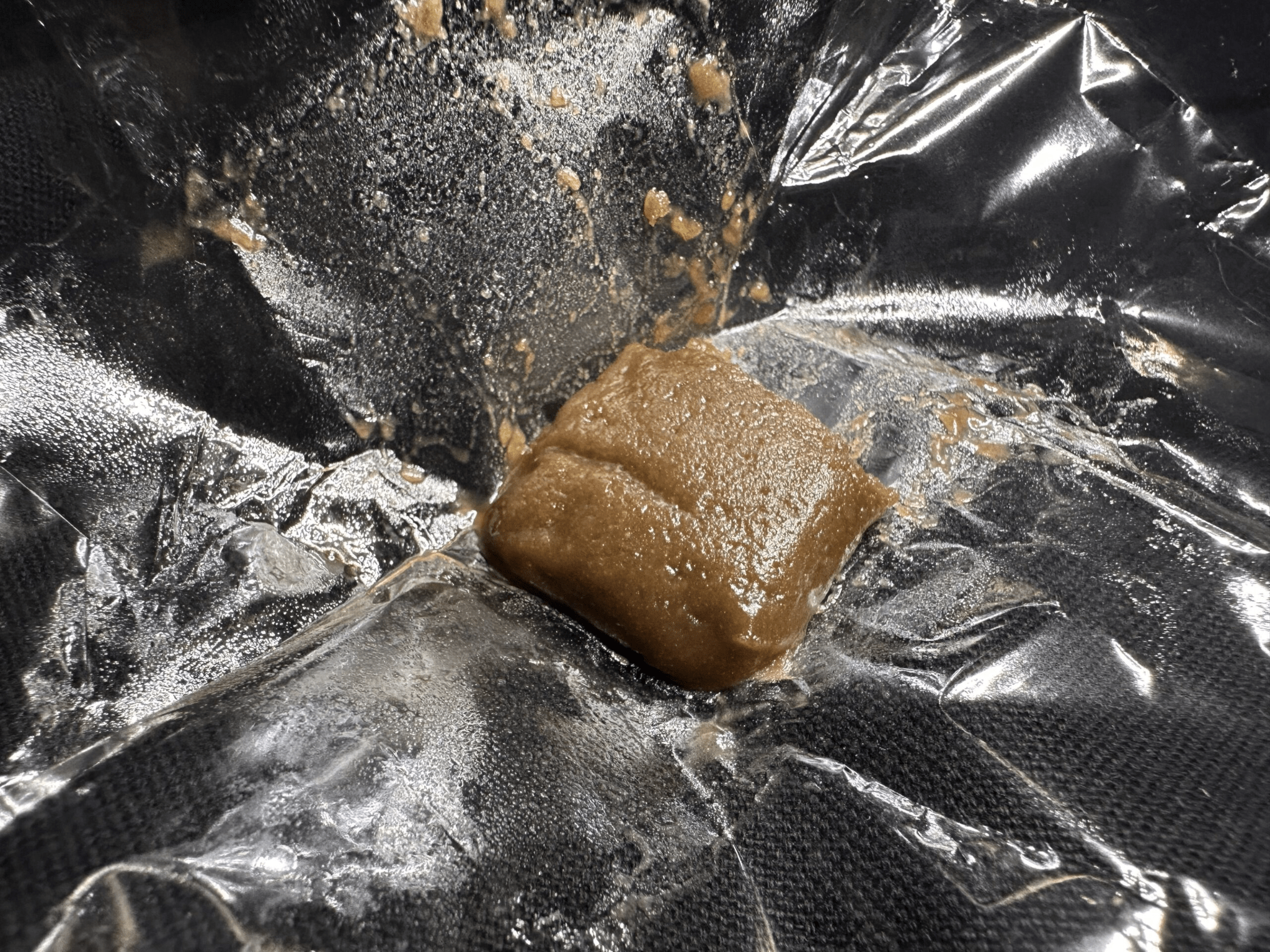
Image lightbox

People throw around "90u" like it automatically means premium rosin. Sometimes it does. Sometimes it absolutely does not.
That micron number is not a quality guarantee by itself. It is a filtration range. But hashmakers care about it because that range captures some of the best-performing trichome heads for flavor, melt behavior, and terpene retention. When starting material is strong and the process is clean, 90u is where resin density, flavor clarity, texture stability, and vaporization quality tend to converge.
What 90u actually means
The "u" stands for microns — a unit of measurement used to separate trichome material by size during solventless extraction.
During hash washing and sieving, resin moves through a series of mesh screens with different micron ratings. A 90u screen captures particles within a specific size range while allowing larger and smaller material to pass through.
The number describes filtration size. Nothing else. Not potency, not terpene content, not quality.
Where 90u finds its sweet spot
The trichome head is where the plant concentrates its resin — cannabinoids, terpenes, and aromatic compounds packed into glandular structures at the tip of each trichome.
Many mature trichome heads fall naturally near the 90u range. Isolate that population cleanly, filter out the plant material, waxes, and lipids dragging down melt quality, and what's left tends to perform. Cleaner input means cleaner melt and more distinct terpene expression under heat.
Not necessarily louder flavor. Greater clarity. That's the sweet spot.
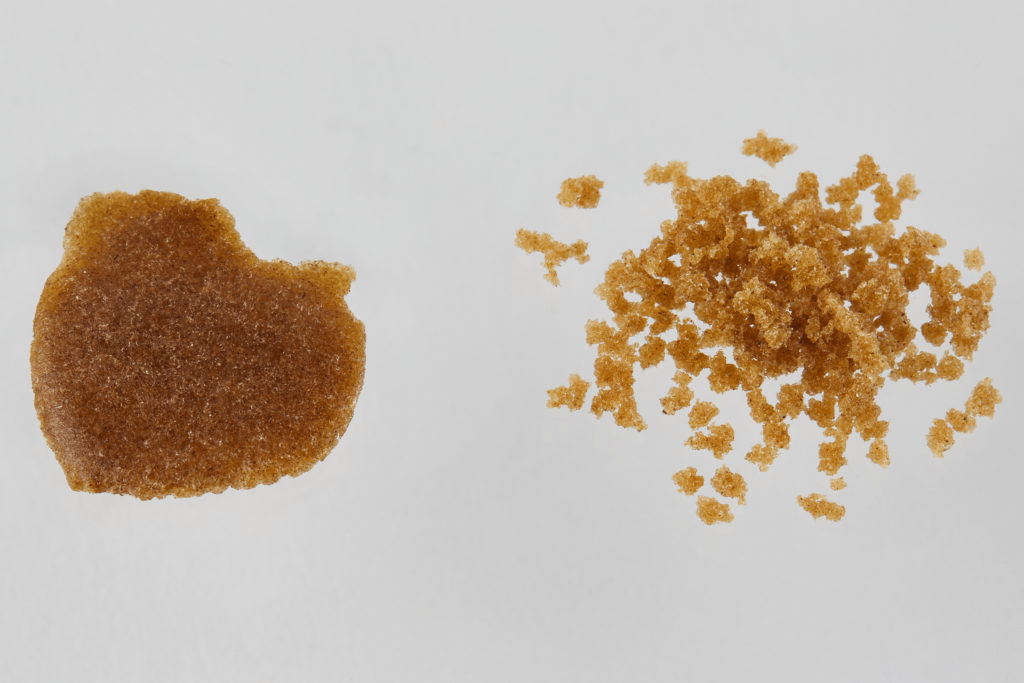
Image lightbox

90u is not automatically the best
90u is respected because it's associated with strong melt and terpene expression. A jar with that designation still has to earn it.
Genetics set the ceiling. Some cultivars produce exceptional resin at 73u. Others peak at 120u. Trichome distribution shifts with cultivar, growing conditions, and harvest timing — the micron range refines selection, it doesn't override the starting material.
Poor genetics, weak terpene content, bad storage, sloppy processing — none of that gets fixed by the screen size.
Quality goes beyond THC percentage
THC percentage tells you almost nothing about solventless quality.
A lower-testing rosin with clean melt, stable texture, and a developed terpene profile will outperform a higher-testing extract with flat flavor and poor melt behavior — and experienced solventless consumers know it. Aroma, freshness, melt quality, and texture are the real metrics.
For flavor-driven concentrates, the number on the label is the last thing worth optimizing for.
Storage can make or break 90u
Terpenes are volatile. Heat, oxygen, and light degrade them — and once the aroma flattens, the texture shifts, and the flavor clarity drops, no micron rating brings it back.
A well-preserved jar from a strong wash beats older material from a more desirable range every time. Freshness and storage conditions aren't secondary considerations. For solventless, they're part of the quality equation from the moment the press comes off.
What the number actually tells you

90u is a meaningful filtration range — not a quality certificate. The resin in that jar reflects genetics, cultivation, wash technique, cure, and storage. The micron number is just where the screen sits in that process.
Find cold-cured rosin, solventless concentrates, and terpene-forward extracts near you for pick up or delivery.