When shopping for 420 cannabis in Michigan, focus on terpene expression, freshness, product variety, and extraction quality across flower, concentrates, vapes, and edibles.
 Photo by: Gina Coleman/Weedmaps
Image lightbox

In Michigan, 420 is one of the busiest shopping weekends in one of the Midwest's most active cannabis markets. Since legalization, Michigan has developed a reputation for wide product variety, competitive pricing, and a fast-growing retail scene.
Dispensaries across cities like Detroit, Ann Arbor, Grand Rapids, and Lansing often expand their menus significantly around 420, introducing new products and highlighting seasonal releases.
The state also attracts visitors from neighboring regions where cannabis access is more limited, which means 420 shopping in Michigan often involves a mix of longtime local consumers and travelers exploring the market for the first time.
With so many options appearing on menus at once, the smartest approach is not simply looking for the biggest deal. It's understanding how to recognize quality across the main product categories and knowing what trends are shaping Michigan's cannabis scene.
Trends shaping Michigan's 420 shopping
In Michigan, 420 doesn't just bring volume—it highlights what actually stands out. When menus expand, quality signals become easier to spot. Strong aroma, clean extraction, and well-executed limited releases tend to rise quickly, especially in a market where pricing and selection are already competitive.
The shift toward terpene-driven cannabis is noticeable. Flavor and smell carry more weight than THC alone, and shoppers are getting more comfortable using aroma and overall presentation as decision tools.
At the same time, small-batch releases are gaining traction, with growers and processors putting more focus on tighter runs and more controlled outcomes.
Because there's so much variety in the market, 420 also ends up being a good time to try formats you might not normally go for.
In a market this competitive, what stands out during 420 usually isn't random — it's a market signal of which brands are actually executing at a higher level.
Flower: variety and value across Michigan growers
 Photo by: Gina Coleman/Weedmaps
Image lightbox

Flower is still at the center of Michigan's cannabis market, and the state's cultivation scene has expanded quickly over the past several years.
One thing that stands out is the depth of the menus. Dispensaries often carry a wide range of flower from different growers, which makes it easier to explore different genetics and cultivation styles side by side.
Around 420, that variety becomes even more noticeable. Retailers tend to highlight a mix of familiar strains and newer releases from growers looking to showcase recent harvests.
When evaluating flower, the signals show up immediately. A strong terpene profile should hit as soon as the jar opens — that's usually the clearest indicator the flower was handled and stored properly. Structure matters too; dense, well-formed buds with visible trichomes tend to reflect stronger cultivation practices. And the cure should feel right — slightly springy, not dry or overly moist.
In Michigan's price-driven market, those details are what separate genuinely well-grown flower from options that look good on paper but fall flat in the jar.
There's also been a shift away from focusing only on THC. Terpene-rich cultivars with citrus, gas, or fruit-forward aromas tend to stand out, especially when they reflect careful growing and post-harvest work. Brands like Pleasantrees are a good example, with flower that's often recognized for consistency and overall quality.
Because there's so much variety in Michigan, 420 ends up being a good time to try new growers and see how different producers approach similar genetics.
Pre-rolls: a practical option

Image lightbox

Pre-rolls play a major role in Michigan's 420 shopping culture.
Dispensaries usually expand their selection during the holiday, with everything from single joints to multi-packs and infused options that are easy to share.
Infused pre-rolls have become especially popular across the state. These combine flower with concentrates like kief, hash, or oil, creating a stronger and more flavor-forward experience.
Another format that tends to show up around 420 is the hash hole, a specialty pre-roll with a core of concentrate placed inside the flower. As it burns, the concentrate melts through the center, creating a distinctive look and a more layered flavor.
Not all infused pre-rolls are built the same. Kief and hash infusions tend to preserve the character of the flower, while lower-quality oil infusions can overpower it. When the input material is solid, the difference shows up immediately in flavor and burn consistency.
Across the category, some brands focus on simple, well-made joints, while others lean into multi-pack formats and convenience. Options like Glorious Cannabis Co. pre-roll packs reflect that shift, offering consistent, ready-to-go options that are easy to bring and pass around.
For a lot of people, pre-rolls are just one of the easiest ways to be part of whatever the day turns into.
Concentrates: growing interest across the Midwest

Image lightbox

Michigan's concentrate market has expanded alongside the broader cannabis industry, and most dispensaries now carry a wide range of extract formats.
Products like live resin, badder, and sauce are common on menus, but more attention has started to shift toward solventless options.
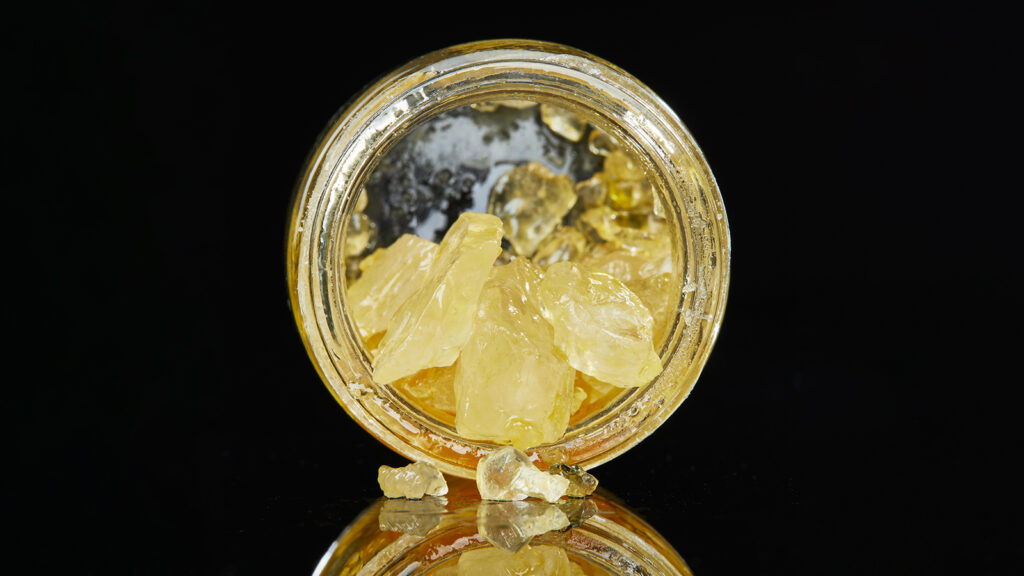
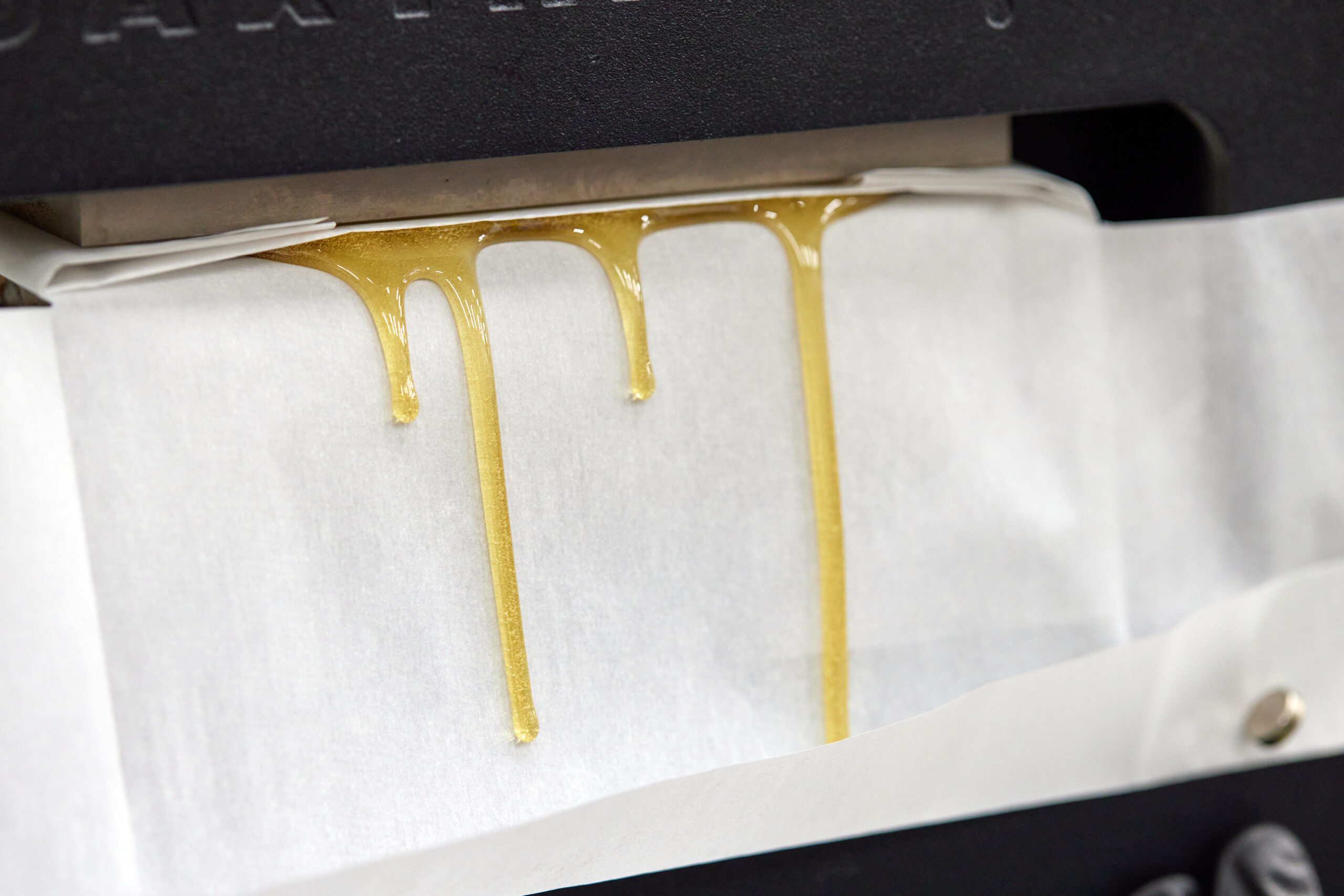
Solventless extracts like rosin and ice water hash use mechanical processes instead of chemical solvents to separate trichomes from the plant. That approach tends to preserve more of the plant's natural terpene profile and overall character.
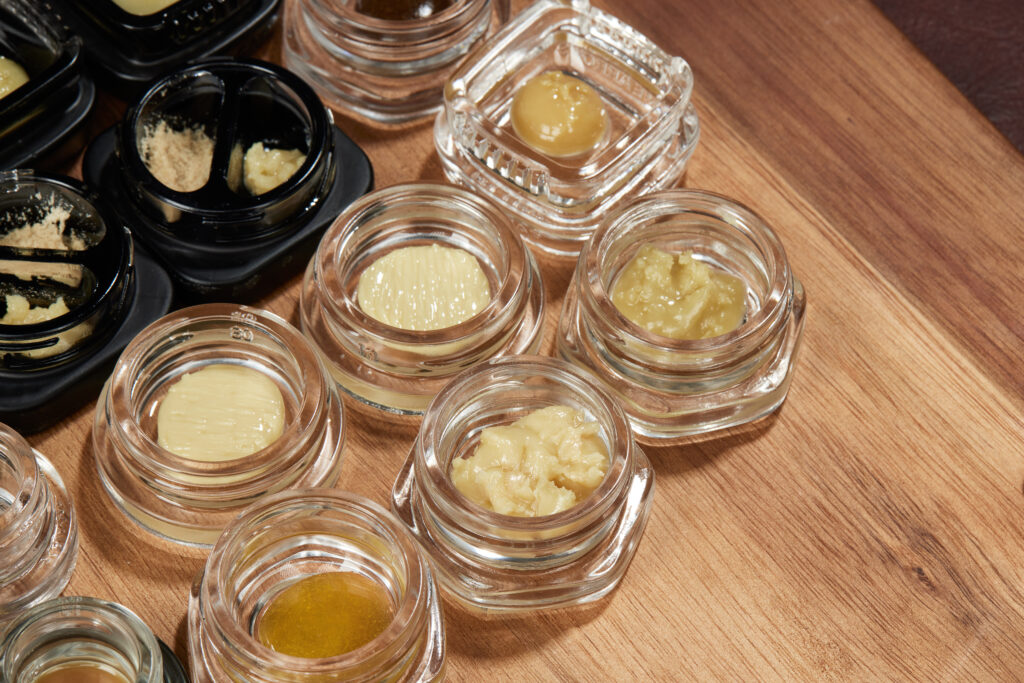
When evaluating concentrates, the differences show up in how the product looks, smells, and handles. Solventless options like rosin and ice water hash prioritize flavor and tend to reflect the starting material more clearly, while hydrocarbon extracts like live resin offer a wider range of textures and more accessible pricing.
Texture plays a major role — badder, sauce, and diamonds all handle differently — and consistency matters just as much. A stable, uniform product with a strong aroma is usually a good sign the extraction and storage were handled correctly.
At the same time, solvent-based options still play a big role. Products like Element Extracts live resin cartridges are a good example, known for strong flavor and consistency across batches.
Because Michigan's market is so competitive, you'll usually see a mix of everyday options alongside smaller, more limited releases around 420.
Understanding these differences makes it much easier to compare products that might look similar on the menu but perform very differently.
Vapes: convenience and variety

Image lightbox

Vape products continue to be one of the most widely purchased cannabis formats in Michigan.
Part of their popularity comes from convenience. Vape cartridges and disposable devices offer a portable way to consume cannabis without additional preparation, making them appealing for everyday use.
During 420 promotions, dispensaries often highlight cartridges filled with live resin or live rosin oil, which preserve more terpene character than highly refined distillate oils.
Distillate delivers consistency and potency but strips away most strain-specific character. Live resin is still a hydrocarbon extract, but because it starts from fresh frozen flower, it retains significantly more of the original terpene profile. Live rosin takes it further as a solventless option, offering cleaner flavor at a higher price point.
For shoppers browsing vape menus, the most helpful detail is usually the oil type rather than the device itself. Products that clearly identify their extraction method often signal greater attention to flavor and source material.
In Michigan, brands like Mitten Extracts have become widely recognized for their vape offerings, reflecting how central the category has become across the state's retail landscape. During 420, these types of products tend to show up across a lot of promotions, making vapes one of the more accessible entry points for people navigating a wide and competitive market.
Edibles: steady favorites across the market

Image lightbox

Edibles move on a different timeline, and that's what matters most before you buy. Onset is slower — usually 45 minutes to two hours — and the effects last longer than anything you inhale, which makes dosing the main variable.
Five milligrams is a clean starting point, while most experienced consumers land somewhere between 10 and 20 mg. Pushing past that without a baseline is where things tend to go sideways.
Gummies dominate because they're consistent and easy to manage, but the better move is to look past the THC number. Products that include a fuller cannabinoid profile or balance THC with CBD tend to land more evenly.
Beverages are worth paying attention to if you haven't tried them. Nanoemulsion formulas absorb faster—often hitting in 15 to 30 minutes—which makes them easier to pace across a longer session. That difference alone makes them one of the more functional formats on a crowded 420 menu.
In Michigan, brands like Wana and Kiva remain widely available and consistent—reliable dosing, familiar formats, and products that tend to land the way they're supposed to when menus get crowded around 420.
Shopping smarter during 420 in Michigan

Image lightbox

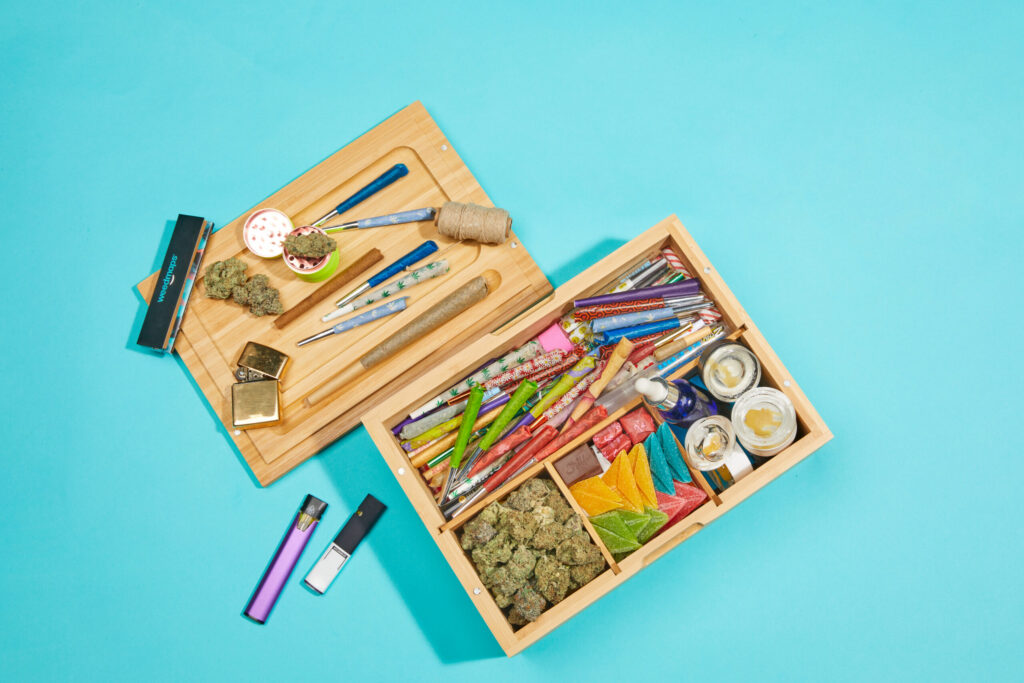
With how many options show up on Michigan menus around 420, it's easy to get overwhelmed if you don't have a sense of what stands out. Instead of focusing only on discounts, pay attention to what's actually standing out. New releases, cultivators gaining traction, and brands that consistently deliver on flavor tend to separate themselves quickly, especially when menus are this crowded.
Across Michigan dispensaries, 420 deals often highlight the most visible cannabis products, but the best picks are usually the ones that hold up on flavor, consistency, and overall execution — not just price.
If you're ready to start browsing, you can explore nearby dispensaries on Weedmaps and see what's available for pickup or delivery.