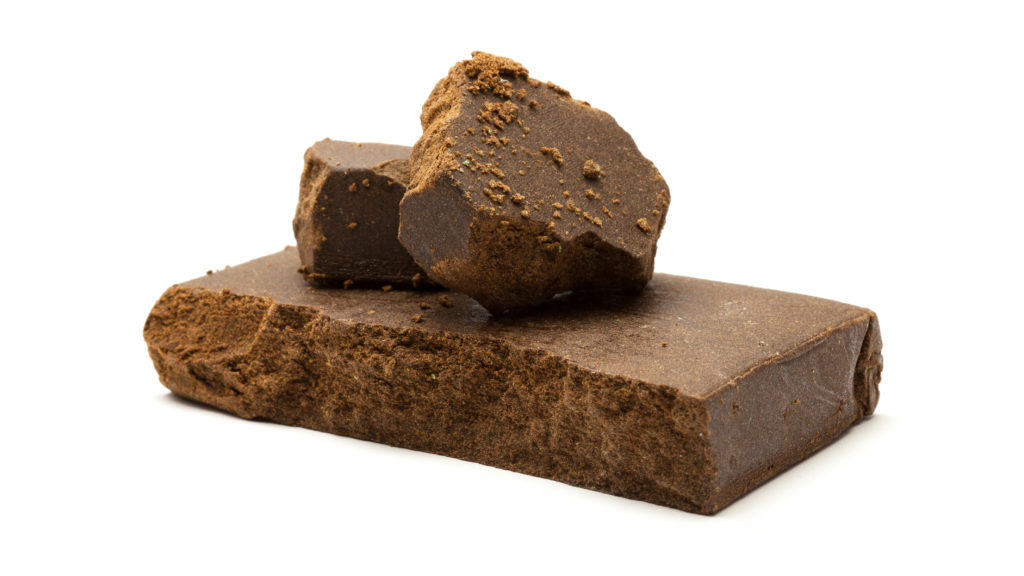
Hash is one of the purest expressions of cannabis, built from the plant's trichomes—the tiny resin glands responsible for potency, flavor, and aroma. In this video, Boris breaks down how hash is made, why cultivation and processing matter, and how modern techniques like live ice water hash and rosin have elevated the category. Whether you're new or experienced, understanding hash starts with understanding the plant at its most concentrated level.
Quick hits:
- Hash is made from cannabis trichomes — the most potent and flavorful part of the plant.
- The best modern hash comes from fresh frozen cannabis, preserving terpene content.
- Rosin is created by pressing hash with heat and pressure, producing a solventless extract.
- Different hash qualities (microns, processing methods) deliver distinct flavors and effects.
- Hash holes (rosin-infused joints) enhance flavor and burn slower, making them a popular consumption method.
Read full transcript of episode 3 (11:28)
Let's Be Blunt with Boris - What is Hash? - Episode 3 transcription
We've got hashish, hash, pure melt, piatella, rosin — all these different names for what might be the most expressive cannabis product out there. I'm Boris the Hash Guy with Weedmaps, and let's dive into trichomes and learn about hash.
I really think hash is the best representation of what this plant has to offer. One of the people I learned from — someone often credited with bringing hash to America — was Frenchy Cannoli. He had a lot of gems, but one of my favorites is how he described trichomes.
Imagine an apple tree at harvest. The ripest fruit — bursting with juice — falls off when you shake it. That's like the first wash of hash. When you process cannabis, those ripe trichomes fall away and collect.
But behind that simple idea is a lot of work. Farmers have to choose the right genetics, maintain mother plants, understand their microclimate, and decide how to grow — greenhouse or full-term outdoor. Greenhouse might give you multiple harvests a year, while full-term plants grow from spring through fall, with flowering triggered after the summer solstice when daylight shortens.
Typically, full-term plants can produce extremely rich, resin-heavy trichomes — but greenhouse techniques can also optimize yield and timing by manipulating light cycles.
All of this effort is focused on something incredibly small — trichomes. You need magnification to really see their structure. And when we talk about hash, that's what we're talking about: collected trichomes.
Hash is made by separating those trichomes from the plant, often using ice water agitation. The trichomes sink and collect — that's hash. At the highest level, it looks like sand — individual trichome heads.
When done properly, you're opening up the full work of the farmer and the processor in a single jar. When you open it, it should smell like the day the plant was harvested. Different microns — like 70 or 90 — can deliver completely different aromas, flavors, and experiences.
The best hash is processed from fresh frozen cannabis. Freezing preserves terpenes, which are volatile and degrade over time. That's why live ice water hash dominates today — it captures the freshest possible expression of the plant.
Historically, hash was different. It was either dry sift — similar to refined kief from cured cannabis — or bubble hash made from dried material. But legalization enabled a shift toward fresh-frozen processing, which dramatically improved flavor and quality.
From there, we get rosin. Rosin is made by taking that hash, packing it into fine micron bags, and applying heat and pressure. The result is pure cannabis oil — no solvents, just water, heat, and pressure.
That oil contains cannabinoids, terpenes, and some natural fats and lipids. Over time, it can evolve into different textures like fresh press or cold cure batter, depending on how it's stored and handled.
When it comes to consumption, hash offers some of the best flavor experiences in cannabis. Dabbing or vaporizing preserves volatile terpenes better than combustion. That's why joints often lose flavor over time — you're burning off those compounds.
But there are ways to enhance joints too — like hash holes. A hash hole is a joint with a line of hash or rosin down the center. As it burns, the oil melts and infuses the flower, creating a more flavorful, slower-burning experience.
Hash holes also allow for blending flavors. You can pair strains — something funky like GMO with something fruity like papaya — to create layered flavor profiles.
They're also great for sharing and tend to burn longer due to the oil content. Whether you're looking to enhance flavor, experiment with combinations, or elevate the experience, hash holes are one of the most popular ways to enjoy hash today.
So that's hash — from trichomes and cultivation to processing and consumption. Thanks for letting me be blunt.


The Breakdown
Hash (short for hashish) is a concentrated form of cannabis made by collecting and compressing the plant's trichomes — the tiny, resin-rich glands that contain cannabinoids and terpenes.
Hash is essentially a collection of trichomes, the most potent and flavorful part of the plant.
These trichomes hold:
- THC and other cannabinoids
- Terpenes (flavor and aroma)
- Other compounds that shape the experience
Why Trichomes Matter
If cannabis were a fruit tree, trichomes would be the ripest fruit.
A helpful analogy:
Imagine an apple tree at peak harvest. The ripest, juiciest apples fall off with a shake, that's similar to how the best trichomes are separated during hash production.
The goal of making hash is to isolate and preserve those trichomes as cleanly as possible.
How Hash Is Made
There are several methods for making hash, but they all focus on separating trichomes from plant material.
Common Methods
1. Dry Sift
- Cannabis is sifted through fine screens
- Trichomes fall through and are collected
2. Ice Water (Bubble Hash)
- Cannabis is agitated in ice water
- Trichomes break off and sink
- Filtered through mesh bags
3. Traditional Hand-Rubbed Hash
- Trichomes are collected manually from fresh plants
Each method aims to preserve the integrity of the trichomes while minimizing contamination from plant matter.
Types of Hash
You'll encounter several variations depending on quality and processing:
- Hash / Hashish → general term for isolated and compressed trichomes
- Full melt hash → high-quality hash that melts completely when heated, leaving minimal residue; graded on a 1–6 star scale, with 4–6 star material considered dabbable
- Piatella → a fresh frozen-derived, hand-worked hash with a soft, creamy texture; closely associated with Italian craft washing technique and among the highest expressions of the form
What You Can Make With Hash
High-quality hash is also the input for further processing:
- Rosin → hash pressed under heat and pressure to produce a solventless extract; hash rosin is considered one of the cleanest concentrate forms available
What Determines Hash Quality?
Hash quality is heavily influenced by both cultivation and processing.
1. Genetics & Strain Selection
Not all cannabis strains produce trichomes equally. Some are specifically bred for hash production.
2. Growing Conditions
Farmers must consider:
- Climate (greenhouse vs full-term outdoor)
- Timing of planting and harvest
- Plant health and maturity
Producing great hash starts long before extraction — it begins with selecting the right plants and growing them properly.
3. Harvest Timing
Trichomes must be harvested at peak ripeness for optimal potency and terpene content.
4. Processing Technique
Careful handling ensures trichomes are preserved rather than damaged.
Greenhouse vs. Full-Term Growing
The way cannabis is grown directly impacts hash quality.
Greenhouse
- Controlled environment
- Multiple harvests per year
- More consistency
Full-Term Outdoor
- Grown through a full natural season
- Typically harvested once per year
- Can produce highly expressive terpene profiles
Outdoor full-term plants grow from late spring through fall, developing fully before harvest.
Why Hash Is Considered the “Purest” Cannabis Product
Many enthusiasts consider hash the best representation of cannabis because it isolates:
- The most potent part of the plant
- The full terpene profile
- The natural expression of the strain
Unlike some extracts, high-quality hash can deliver a clean, full-spectrum experience.
How to Consume Hash
Hash can be enjoyed in several ways:
- Dabbing (for full melt or high-grade hash)
- Smoking in a joint or bowl
- Vaporizing with compatible devices
The Bottom Line
Hash is more than just a cannabis product — it's a reflection of:
- Cultivation skill
- Plant genetics
- Processing craftsmanship
From the farm to the final product, every step influences the quality of the trichomes and ultimately, your experience. If you want to understand cannabis at its highest level, start with hash.
More from Let's Be Blunt
Stay tuned as new episodes drop for Boris' takes on cannabis myths, products, and shopping smarter.
Don't miss 'em!