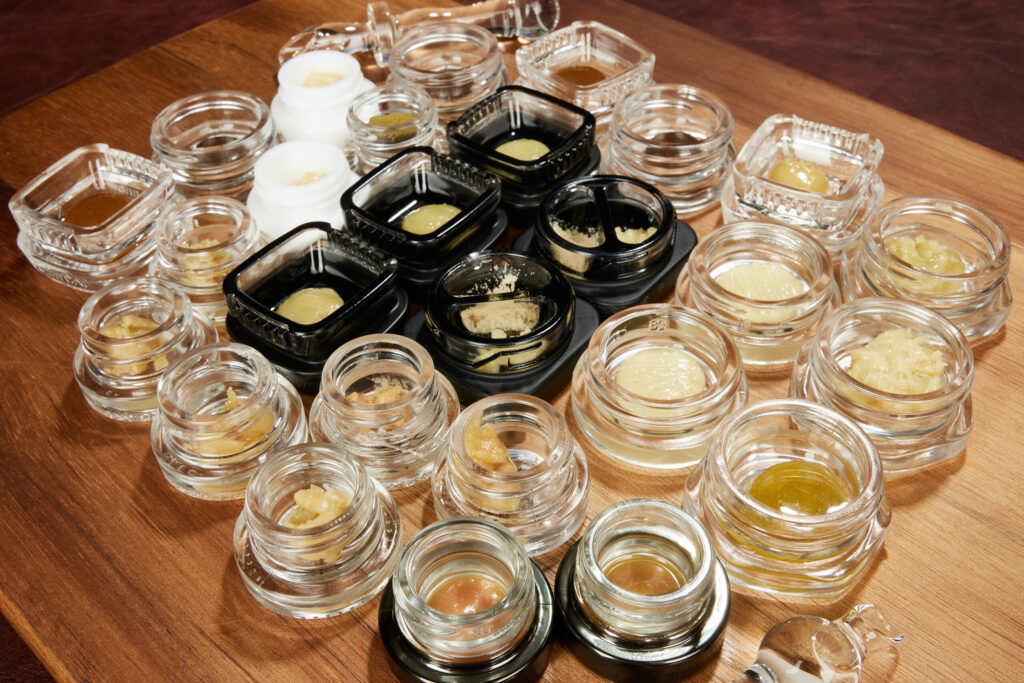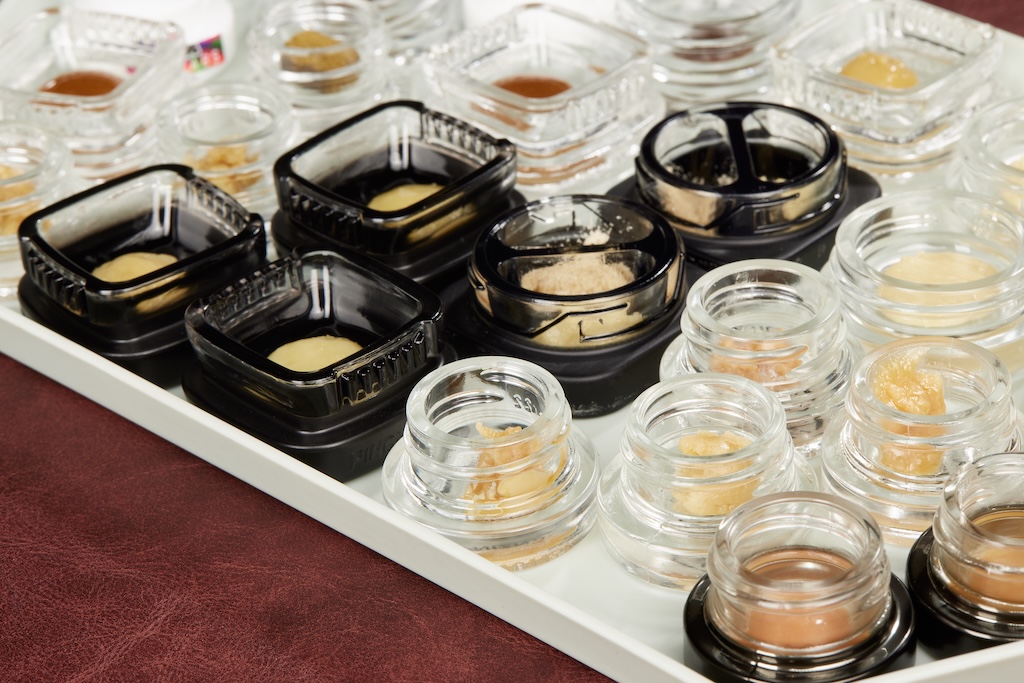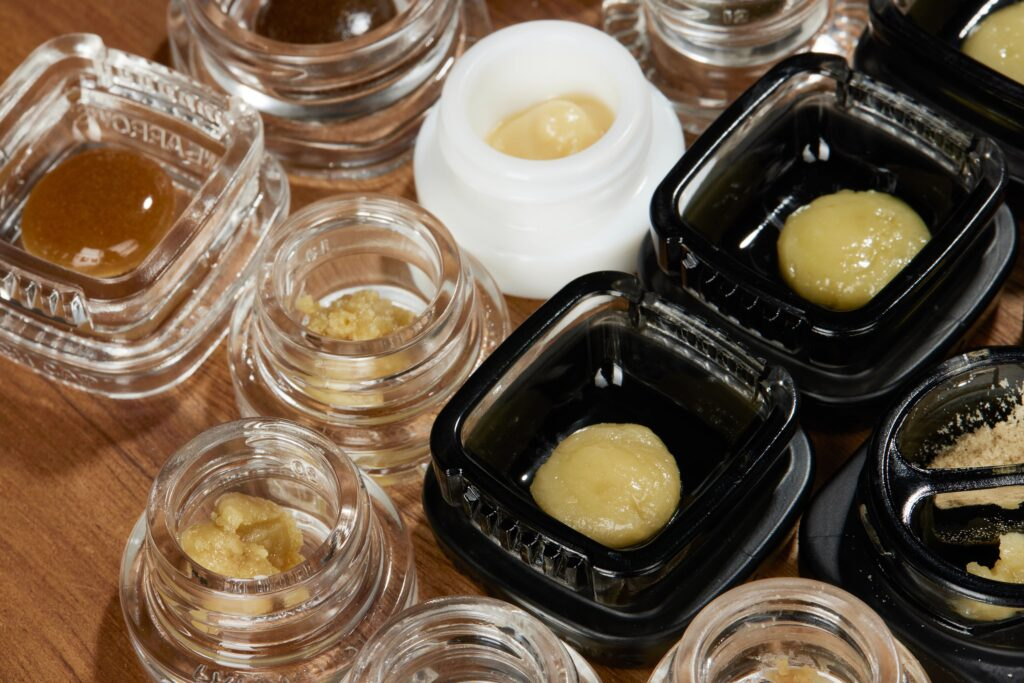
Modern solventless culture was built on an old obsession: separating pure cannabis resin from everything that gets in the way of flavor, melt, and potency.
 Photo by: Gina Coleman/Weedmaps
Image lightbox

That obsession is older than the cannabis industry itself. Older than legalization, older than the rosin press, older than the term "solventless." And once you've washed hash a few hundred times yourself, the throughline from a Silk Road trader's resin-stained hands to a fresh-pressed jar curing in a dispensary freezer stops feeling trivial and starts feeling like real history.
This is that lineage, laid out the way someone who lives inside the hash community sees it: not as a marketing timeline, but as a chain of people solving the same problem — how do you keep the trichome and lose everything around it — with whatever tools their era handed them.
Ancient origins: The birth of hashish (800-1200 AD)
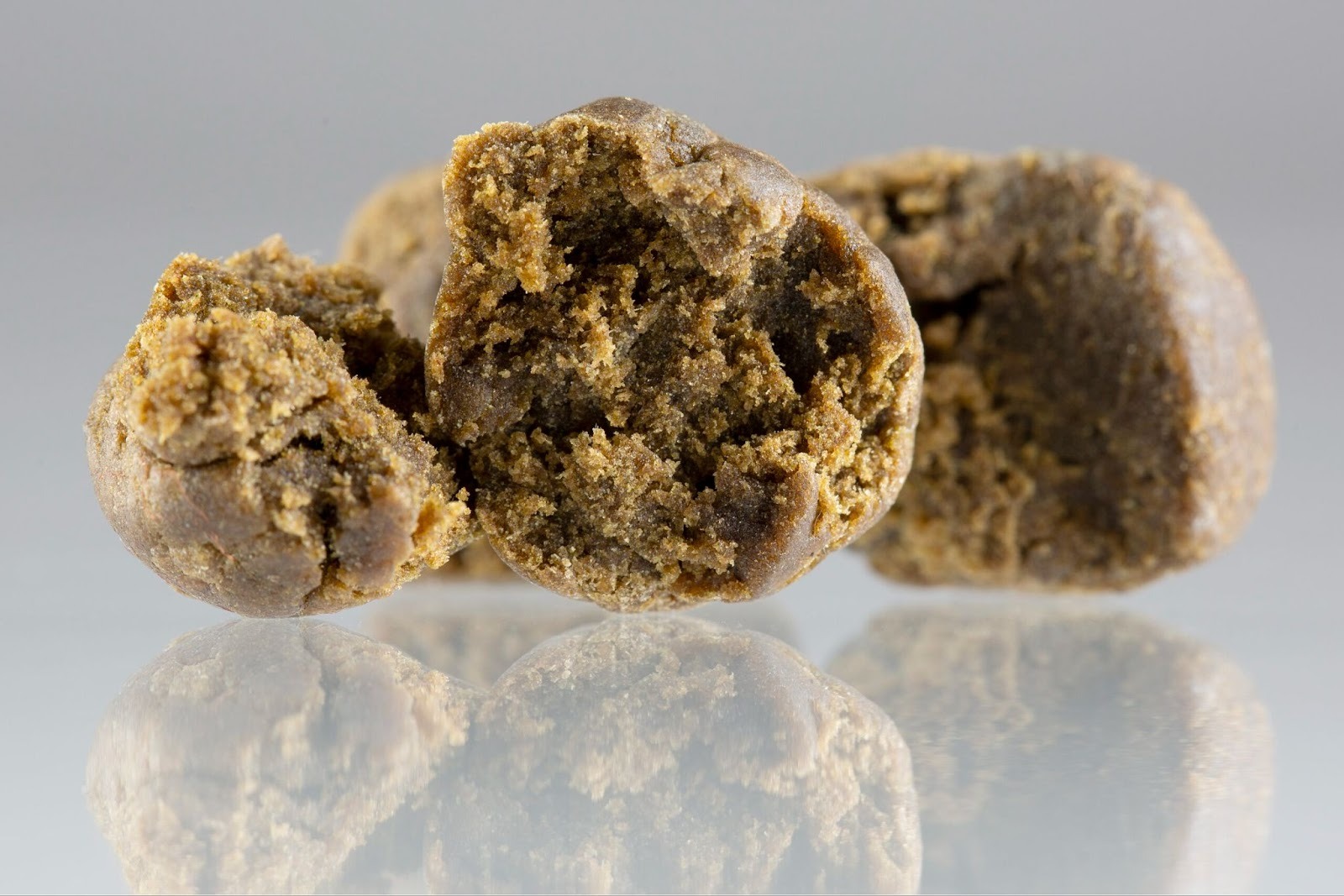 Photo by: Gina Coleman/Weedmaps
Image lightbox

The history of solventless cannabis concentrates traces back to Central and South Asia, along trade routes that ran through what's now Afghanistan, Nepal, and northern India. Resin collection wasn't invented so much as noticed. Workers handling live plants during harvest ended up with resin building up on their hands, and someone, eventually, decided that buildup was worth keeping on purpose rather than washing off.
What the textbook version misses is why the moment happened when it did. . The earliest form of hash, charas, didn't show up until people began to farm and became less reliant on nomadic hunting and gathering. . As long as humans were moving with the seasons, gathering whatever cannabis grew wild, there was no reason to handle the plant the way charas requires. It's only once people settled down to cultivate, and started selecting and saving seeds from the plants they're growing, that the repeated hand contact needed to produce charas became a normal part of working the crop.
Hash is a byproduct of agriculture itself. It appears roughly the same moment humans figured out how to grow their own food. Cannabis was one of the earliest plants brought into that process, alongside crops like corn and potatoes that were transformed by selective cultivation over generations.
By around 800 AD, cultivators were refining the hand-rubbing technique (charas) with intention, working live plants at peak resin production, rolling what came off into balls. No screens, no equipment, no solvents. Just hands, timing, and an understanding of when a plant was giving up its best resin.
Cultural significance beyond recreation
Hashish was far more than a recreational curiosity in the regions where it flourished; it became part of the cultural and spiritual fabric of daily life. Across Persia, Central Asia, and parts of the Indian subcontinent, it found a place in religious practice, traditional medicine, and social customs.
 Photo by: Gina Coleman/Weedmaps
Image lightbox

Sufi mystics in Persia and the broader Islamic world incorporated hashish into some devotional traditions, while cannabis preparations appeared in Ayurvedic medicine throughout India. As merchants moved spices, textiles, and other goods along established trade routes linking the Middle East, Central Asia, and South Asia, they also carried the knowledge of how to produce hash. Over time, hash-making traditions spread not only as a valuable commodity but as a craft shaped by the cultures that adopted and refined it.
That dual identity, the sacred practice and traded good, is the seed of everything that follows. Once something becomes both culturally meaningful and commercially valuable, people start refining how it's made. That's exactly what happened next.
Medieval innovations: dry sift and screen methods (1200–1800)
Hand-rubbing has a hard ceiling. It only works on live plants, it's slow, and it can't be done at any real scale. Fine silk screens changed that.

Image lightbox

Artisans across North Africa and the Middle East, particularly in regions like Morocco and Lebanon, began sifting dried cannabis through woven mesh instead of rubbing live plants by hand, which meant resin could now be separated from cured material, in bulk, with far more consistency than hand techniques allowed.
Early grading through multi-pass screening
This is where grading enters the story, and it's worth sitting with, because it's the direct ancestor of how modern solventless hash and rosin get evaluated today. Producers learned that mesh size mattered: finer screens caught cleaner resin with minimal plant contamination on the first pass, while subsequent passes pulled smaller, more contaminated particles. That difference in pass quality became an early, informal grading system — first-pass material was simply better, and everyone working with hash at the time knew it.
That principle, the first thing separated cleanly is usually the best thing in the batch, never went away. It's the same logic behind why a 90-micron full-melt run commands more than a mixed-bag wash, and why a clean first pull off a rosin press reads differently than a re-press.
The connection to modern production
Ice water extraction runs on the exact same idea, just with a different medium. Cold water and agitation do the work that dry screening used to do. The idea is to knock trichomes loose so they can be filtered by size through micron bags — but the goal hasn't moved an inch: isolate the resin, lose the plant matter, and let particle size sort quality for you. Dry sift, bubble hash, and rosin pressing are all, structurally, the same mechanical-separation idea refined across centuries.
How modern bubble hash changed solventless concentrates
 Photo by: Gina Coleman/Weedmaps
Image lightbox

The late 20th century is where this stops being a story about trade routes and becomes a story about a community I'm part of. Cultivators noticed that freezing temperatures made trichome heads brittle while plant material stayed comparatively flexible — meaning a cold wash could knock resin glands very efficiently.
During the 1990s and early 2000s, Dutch hashmaker Mila Jansen helped modernize solventless production by introducing tools that made high-quality resin collection more consistent. Her Pollinator dry sift tumbler was followed by refinements in ice-water extraction and filtration techniques that laid the groundwork for modern bubble hash.
Modern bubble hash techniques also developed from the contributions of educators and hashmakers like Frenchy Cannoli, whose decades spent studying traditional hash-making methods and openly sharing his techniques helped shape the modern solventless movement. Through workshops, demonstrations, and educational resources, he established many of the quality standards, terminology, and production principles that remain central to the craft today. The emphasis on melt quality, careful resin handling, and technique-driven production reflects a tradition of knowledge-sharing that helped transform hash making from a regional practice into a globally recognized craft.
Why bubble hash reshaped solventless

Image lightbox

A few things made this shift permanent rather than a fad:
- Repeatability. Controlled washing and micron filtration meant two different people could follow the same process and land in the same neighborhood of quality — something hand-rubbing could never promise.
- A shared grading vocabulary. Star ratings and micron ranges gave the community a common language for purity and melt, the same way the old multi-pass screening did centuries earlier.
- Scale without losing standards. Washing systems and sieving techniques let producers process real volume while keeping separation quality
Full-melt hash earning premium pricing isn't arbitrary, it reflects real labor, real starting-material cost, and real melt performance that you can verify with a flame and a banger.
What is rosin pressing and how does it work?
 Photo by: Gina Coleman/Weedmaps
Image lightbox

Rosin pressing, which started gaining traction around 2015 among small-scale hashmakers and home extractors, swapped agitation and filtration for heat and pressure. Flower or hash gets loaded up in different screen sizes mesh bags and sandwiched between parchment. The next step is to press it under controlled heat, pressure and time. The oil from the trichome heads burst, and gets pressed out while most of the plant material stays trapped behind — press times run anywhere from under a minute to several minutes, depending on the material and the amounts.
Hash rosin and flower rosin aren't the same press, technically speaking, and this is a detail that separates people who've actually pressed from people who've just read about it. Flower rosin can come off the plates directly — no filter bag required, since the oil pushes out on its own. Hash rosin, by contrast, is essentially impossible to press without a filter bag, because once it melts there's nowhere for the spent plant material to go except into a bag built to hold it back. That's also why most hashmakers double-bag when pressing hash: if the bottom bag blows out under pressure — and it happens — the second bag catches it before the whole run is ruined. It's not a sign you did something wrong; it's a known failure mode the craft has already built a workaround for.
The bigger lever, though, is temperature. Lower temperatures preserve more of the aromatic compounds and terpene expression; higher temperatures push yield up but cost you flavor and texture on the way there. That tradeoff is the actual center of modern solventless culture — flavor preservation and low-temp dabbing became just as important as raw potency, maybe more so among people who actually compete and judge.
How to recognize high-quality rosin
Quality reveals itself before THC percentage ever enters the conversation. Look for:

Image lightbox

- Color in the light amber-to-golden range, though that shifts with strain and starting material
- A consistency that tells you it's been stored properly — fresh-pressed rosin is meant to live in the freezer, and pulling it warm changes the texture and shortens its shelf life fast
- Minimal visible plant material
- Aroma that actually matches the source flower or hash it came from
- Clear packaging with a recent press date, when the producer provides one
Those are the same instincts a judge brings to a competition table — appearance, aroma, melt, and overall freshness, weighted alongside taste and experience rather than chased separately.
Why solventless concentrates command premium prices today

None of this history is trivia — it's the reason today's pricing makes sense once you understand it. Extraction method, starting material, and grading lineage all show up directly in what a jar costs, how it smells, and how it dabs. A multi-pass-screened hash from a centuries-old technique and a 90-micron full-melt wash are separated by tools, not by logic — the logic has barely changed.
Weedmaps connects you with verified dispensaries carrying solventless concentrates, with product details, pricing, and real customer feedback so you can put that history to use when you're actually shopping. Explore the concentrate marketplace to compare hash and rosin near you, and shop with the same eye a centuries-old screener — or a modern judge — would bring to the table: preserve the trichomes, minimize the contamination, and let the resin speak for itself.