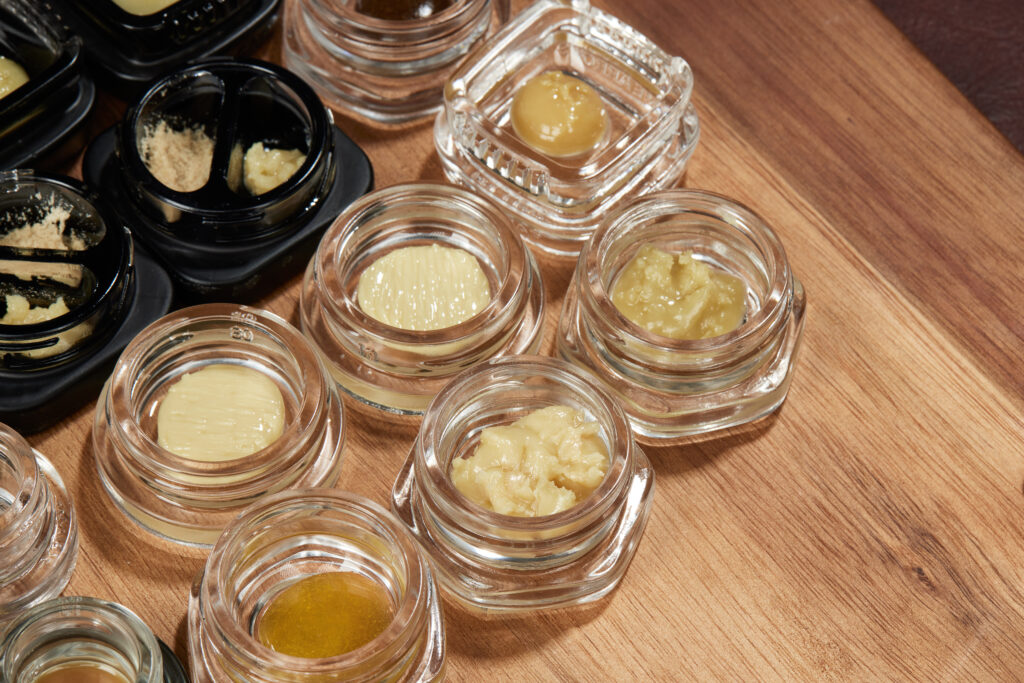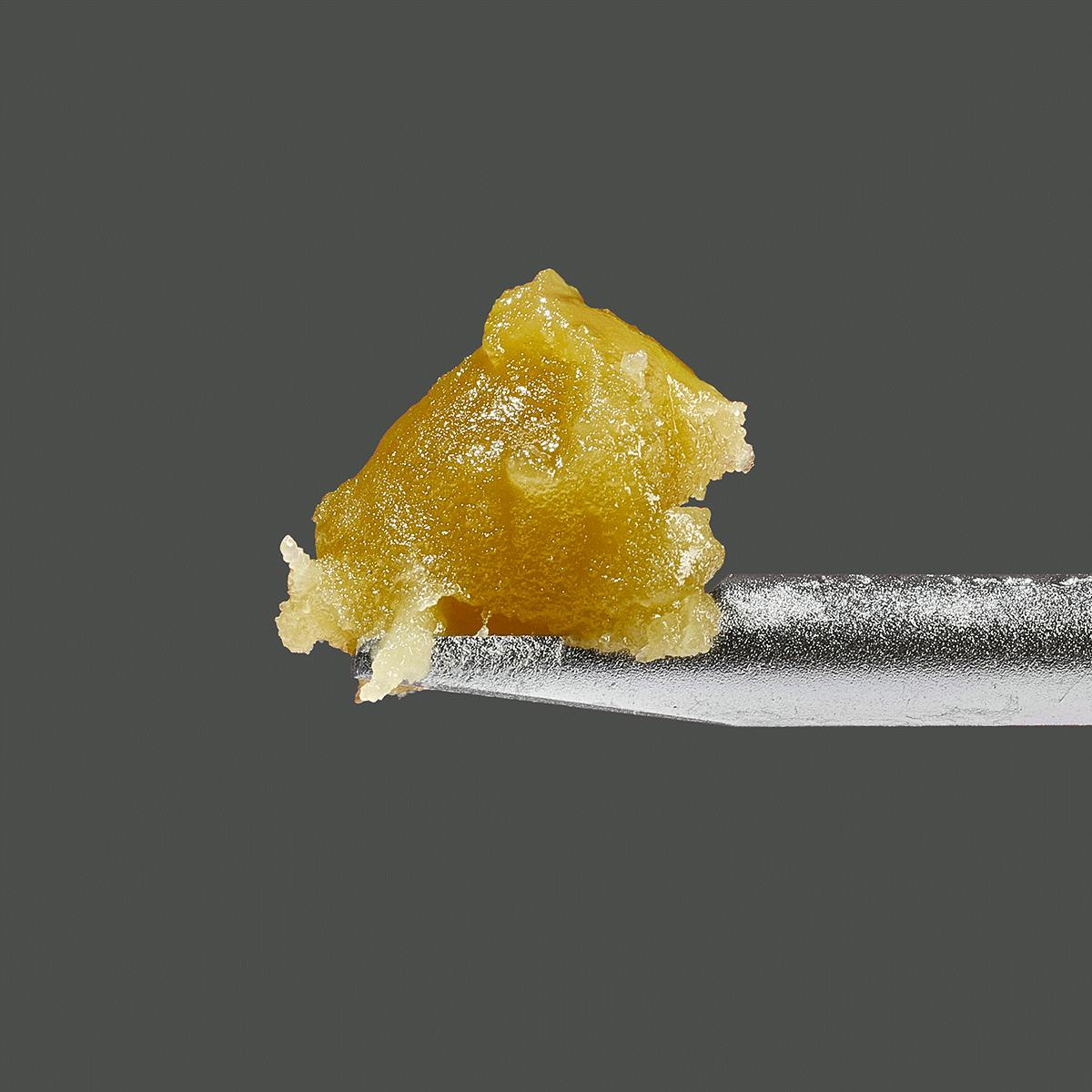
 Photo by: Gina Coleman/Weedmaps
Image lightbox

Live rosin stays freshest when it's kept cold, sealed, and protected from light and air. Store it in an airtight glass container, avoid temperature swings, and let it come to room temperature before opening to prevent condensation.
If you only remember three things, make it these: keep it cold, keep it sealed, and do not open it straight from the fridge or freezer. Most “my rosin got weird” problems come from heat exposure, repeated opening, or moisture getting into the jar.
Good live rosin should smell vibrant and taste clean. When terpenes evaporate or oxidize, that same jar can start tasting muted, sharp, or “flat,” even if it still looks fine.
Buying solventless concentrates from dispensaries that handle them carefully is a good starting point. Weedmaps can help you find dispensaries with live rosin inventory, product details, and reviews, so you can start with something worth storing well.
Keep reading for a straightforward, step-by-step storage routine, plus the most common mistakes that shorten freshness.
Understanding live rosin's storage sensitivity
Live rosin is more sensitive to storage conditions than many other concentrates because of how it is made. It is typically produced from fresh frozen cannabis and pressed without added solvents, which helps preserve a wide range of cannabinoids and volatile terpenes.
Those same aromatic compounds that give premium live rosin its distinctive smell and flavor can also make it more reactive to heat, light, and air exposure over time.
Why live rosin can change during storage
Compared to concentrates that undergo additional refinement, live rosin generally retains more of its original terpene content. While that contributes to flavor expression, it can also mean the product changes more noticeably if stored improperly.
Extended exposure to warmer temperatures may lead to gradual terpene evaporation. Light exposure can contribute to cannabinoid and terpene degradation. Repeated contact with air can cause oxidation, which may alter aroma, texture, and overall presentation.
These changes usually happen over time rather than instantly, but improper storage can accelerate them.
Signs your storage method may need adjustment
If live rosin is not stored carefully, you might notice:
- Reduced aroma compared to when first opened
- Darkening in color over time
- Texture becoming drier, wetter, or more separated
- Flavor tasting flatter or sharper than expected
- Experience feeling different at the same dose
Changes do not always mean a product is unusable, but they can indicate terpene loss or oxidation.
The ideal live rosin storage environment
Storing live rosin properly comes down to managing four main factors: temperature, light, air exposure, and container choice. Together, these influence how well the concentrate maintains its aroma, texture, and overall presentation over time.
Temperature: keep it cool and consistent
Live rosin is typically stored between 35–45°F for short- to mid-term use. This range slows terpene evaporation and oxidation while maintaining workable texture.
A standard refrigerator usually falls within this range and works well for most consumers. Consistency matters more than exact precision. Frequent temperature swings can affect texture and moisture levels.
Common temperature mistakes include:
- Leaving rosin at room temperature for extended periods
- Moving it repeatedly between warm and cold environments
- Opening containers immediately after removing from the fridge, which can introduce condensation
For daily use, refrigeration is generally sufficient. Freezing may be used for longer-term storage, but it requires careful handling to prevent moisture exposure during thawing.
Light protection: limit exposure
Prolonged exposure to direct sunlight or strong artificial light can contribute to cannabinoid and terpene degradation over time. Storing live rosin in an opaque container or inside a drawer in the refrigerator helps minimize light exposure.
Air exposure: reduce oxidation
Oxygen contact can gradually darken color and alter aroma. Using airtight containers helps slow oxidation.
Look for containers that:
- Seal tightly
- Leave minimal empty space above the product
- Allow small portions to be removed without repeatedly exposing the entire contents
Proper storage does not need to be complicated. Keeping live rosin cool, sealed, and protected from light goes a long way toward maintaining quality.

Container selection and material science
The container you use plays an important role in how well live rosin maintains its aroma, texture, and overall presentation. Some materials are better suited for longer storage, while others are more appropriate for short-term handling.
Glass, silicone, or parchment?
Glass is widely preferred for longer-term storage because it is non-porous and generally does not interact with aromatic compounds. Small glass jars with tight-fitting lids help limit air exposure and provide stable protection in refrigerated conditions.
Silicone containers are convenient for daily handling, especially for softer consistencies. However, some silicone materials may absorb aroma over time. For that reason, many consumers use silicone only for short-term access and keep bulk product stored in glass.
Parchment paper works for brief transfers or pressing sessions, but it does not provide an airtight environment. It is best used temporarily rather than as a primary storage solution.
Why airtight seals matter
Limiting air exposure helps slow oxidation, which can gradually affect color and aroma. Containers that seal tightly and leave minimal empty space above the product help reduce unnecessary air contact.
Rather than focusing on creating a vacuum, the goal is simply a reliable, snug seal. If the lid closes securely and does not loosen easily, it is generally sufficient for home storage.
When storing larger amounts, dividing live rosin into smaller containers can help limit repeated exposure to the entire supply.
Light exposure
Extended exposure to direct sunlight can contribute to cannabinoid and terpene degradation over time. Storing containers inside a refrigerator drawer, cabinet, or opaque container helps minimize light exposure.
Amber or tinted glass may offer additional protection, but consistent cool, dark storage is typically the most important factor.
Storage duration and quality timeline
Live rosin is more perishable than many other concentrates and follows a predictable degradation timeline that every consumer should understand to maximize their investment. Unlike cured concentrates, live rosin's fresh-frozen origins make it more volatile but also more rewarding when stored correctly.
Peak freshness window: the first 2-4 weeks
Within the first month of proper storage, live rosin typically presents at its best — terpene expression is most pronounced, texture is at its most workable, and aroma is closest to the source material.
Acceptable quality period: 1-3 months
With consistent refrigeration, live rosin can maintain acceptable quality for up to three months. Terpene intensity may gradually reduce, color may shift from light amber toward deeper gold, and texture may become slightly more stable over time.
Warning signs of degradation
Indicators that quality has declined include significant color darkening toward brown or black, texture becoming overly dry or separating, muted or absent aroma, and any visible mold growth or off odors. If mold is present, discard immediately.
Consistent storage conditions slow degradation. Temperature fluctuations are one of the more common causes of accelerated quality loss.
Handling and access best practices
Each time you open a live rosin container, it is briefly exposed to air, light, and temperature changes. Limiting that exposure helps preserve quality over time. How you handle and access your stash makes the difference between preserving that premium concentrate and watching it deteriorate.
Always use clean, dedicated tools
Avoid handling live rosin directly. Skin oils and residue from other products can introduce contamination. Cleaning tools with isopropyl alcohol before each use helps maintain product integrity.
Let rosin acclimate before opening
Cold live rosin can be brittle and more prone to cracking when handled. Removing the container from cold storage and allowing it to sit unopened for 10–15 minutes before accessing helps prevent condensation and allows the rosin to soften naturally. For frozen rosin, 20–30 minutes is generally sufficient.
Take only what you need
Portioning out small amounts for immediate use and returning the main supply to storage promptly limits repeated air and light exposure.
Minimize air exposure time
Every second your container stays open allows terpenes to evaporate and introduces contaminants. Work quickly and purposefully when accessing your rosin.
Having a dab tool ready before opening and resealing the container promptly after use reduces unnecessary terpene evaporation and air contact.
Storage equipment setup
Proper live rosin storage does not require specialized equipment, but a few practical choices make a meaningful difference in how well the concentrate holds up over time.
Refrigeration options
A standard kitchen refrigerator is sufficient for most consumers storing moderate amounts of live rosin. Most units maintain 35–40°F, which aligns with the recommended range for short- to mid-term storage. The primary concern is temperature consistency.
A dedicated mini fridge can help reduce fluctuations caused by frequent door openings in a household refrigerator. Beverage-style mini fridges typically hold steady between 35–38°F and experience fewer temperature swings. Look for adjustable temperature control, an interior light that turns off when closed, and low vibration. While vibration is a minor factor, minimizing it may help during extended storage.
Wine coolers are generally not ideal. Most operate between 55–65°F, a range that is too warm for preserving live rosin's volatile terpenes.
For long-term storage, a freezer compartment or small chest freezer may be appropriate, though careful thawing is necessary to prevent moisture exposure.
Container recommendations
Glass jars with tight-fitting lids are the most practical option for home storage at any budget. Small glass concentrate jars with silicone-sealed lids provide reliable air resistance and do not interact with aromatic compounds over time. Mason jars work as an accessible alternative.
Silicone containers are useful for daily-use portions but are better suited for short-term access than bulk storage, as some silicone materials may absorb aroma over extended periods.
Humidity considerations
Humidity is a secondary factor for most home storage setups. A standard refrigerator environment is generally dry enough to prevent moisture issues when containers are properly sealed. If storing in a humid environment or using a dedicated mini fridge that may accumulate condensation, small two-way humidity packs designed for concentrate storage can help stabilize conditions inside the container.
The most important factor across all equipment choices remains consistency — stable temperature and reliable seals outperform any specialized equipment used inconsistently.
Find Quality Live Rosin Near You

Premium live rosin deserves premium storage — but it also starts with careful product selection. Even ideal home storage can't reverse poor handling during extraction, transport, or retail display. If live rosin wasn't properly managed before it reached the shelf, signs of terpene loss or texture change may already be present. Fresh inventory, appropriate packaging, and knowledgeable dispensary staff all play a role in ensuring you're starting with a concentrate worth preserving.
Our dispensary marketplace connects you with verified retailers who understand concentrate quality and storage. We help you find dispensaries with fresh live rosin inventory, proper storage practices, and detailed product information so you can make informed purchases.
Browse live rosin options on Weedmaps today and discover dispensaries near you that prioritize quality from extraction to your storage container.