A strain name is a label. Strain stability is what makes that label actually mean something. Stable genetics help cultivars deliver recognizable terpene profiles, potency ranges, and predictable effects.
 Photo by: Gina Coleman/Weedmaps
Image lightbox

Two jars carrying the exact same strain name can produce completely different experiences. One batch may smell loud, burn clean, and feel dialed in. Another may come across muted, uneven, or disconnected from everything that made the cultivar popular in the first place.
Most of that inconsistency traces back to strain stability.
Stable genetics help a cultivar repeatedly express recognizable traits across different grows and harvests. That includes terpene profile, potency range, flower structure, resin production, and overall effects.
Without that stability, the same strain can drift hard depending on breeding choices, phenotype variation, growing conditions, harvest timing, and post-harvest handling. That is why experienced consumers eventually stop shopping by strain name alone.
The chemistry underneath matters more.
What strain stability actually means
Stability is repeatability. When genetics are stable, the plant consistently lands within a recognizable range instead of swinging wildly from harvest to harvest. The aroma stays familiar. The flower structure stays relatively consistent. The terpene profile still feels connected to previous batches.
That consistency matters because cannabis is a sensory product. People remember how something smelled, how the smoke felt, and how the high landed. If a strain constantly changes personality, consumers stop trusting the name attached to it — and the cultivar loses whatever reputation it had built.
How genetics shape the experience
Genetics act like the plant's blueprint. They influence what kinds of cannabinoids and terpenes the plant is capable of producing, along with how the flower grows, develops resin, and expresses aroma during maturity.
When breeders stabilize a cultivar over multiple generations, they narrow the variation window inside the population. That helps future plants repeatedly express similar characteristics instead of producing random outcomes every cycle.
One harvest may still lean slightly louder or heavier depending on the grow, but the cultivar stays within the same overall lane instead of showing up as something unrecognizable.
Why the same strain name can still mean different things
 Photo by: Gina Coleman/Weedmaps
Image lightbox

Phenotype variation is where things get complicated.
Cannabis grown from seed does not always produce identical plants. Different phenotypes can emerge from the same genetic lineage, each expressing slightly different traits depending on which combinations become dominant.
One phenotype may lean brighter and more citrus-heavy. Another may produce denser flower with heavier earthy notes. Another may wash better for hash but carry weaker aroma overall.
They are related genetically, but not identical. That is why two growers can both sell the "same" strain while delivering noticeably different flower. The industry compounds this by sharing strain names across unrelated breeders, cuts, and seed lines — so a strain name alone is not even close to a guarantee.
Clone-only cuts and why they hold tighter
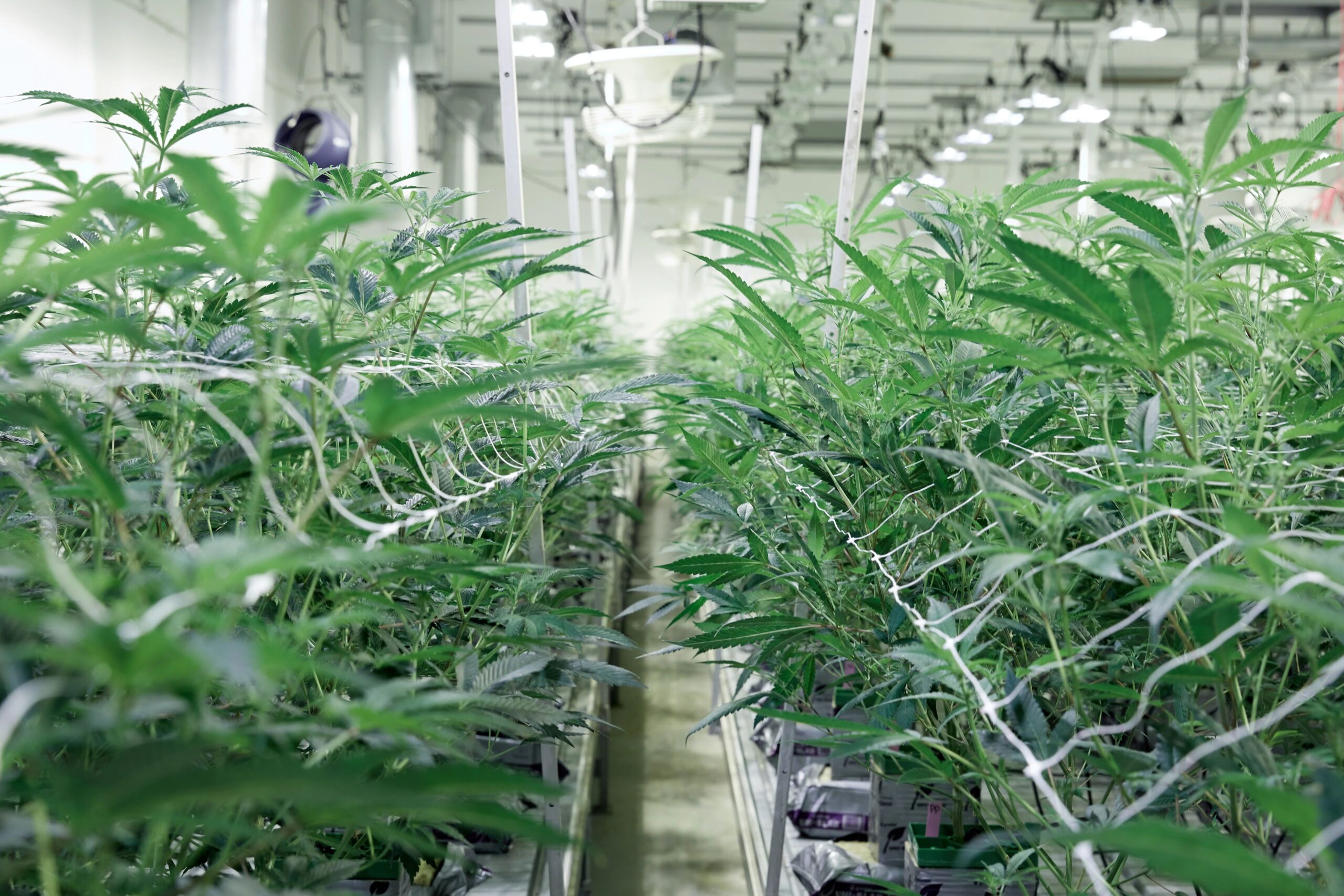
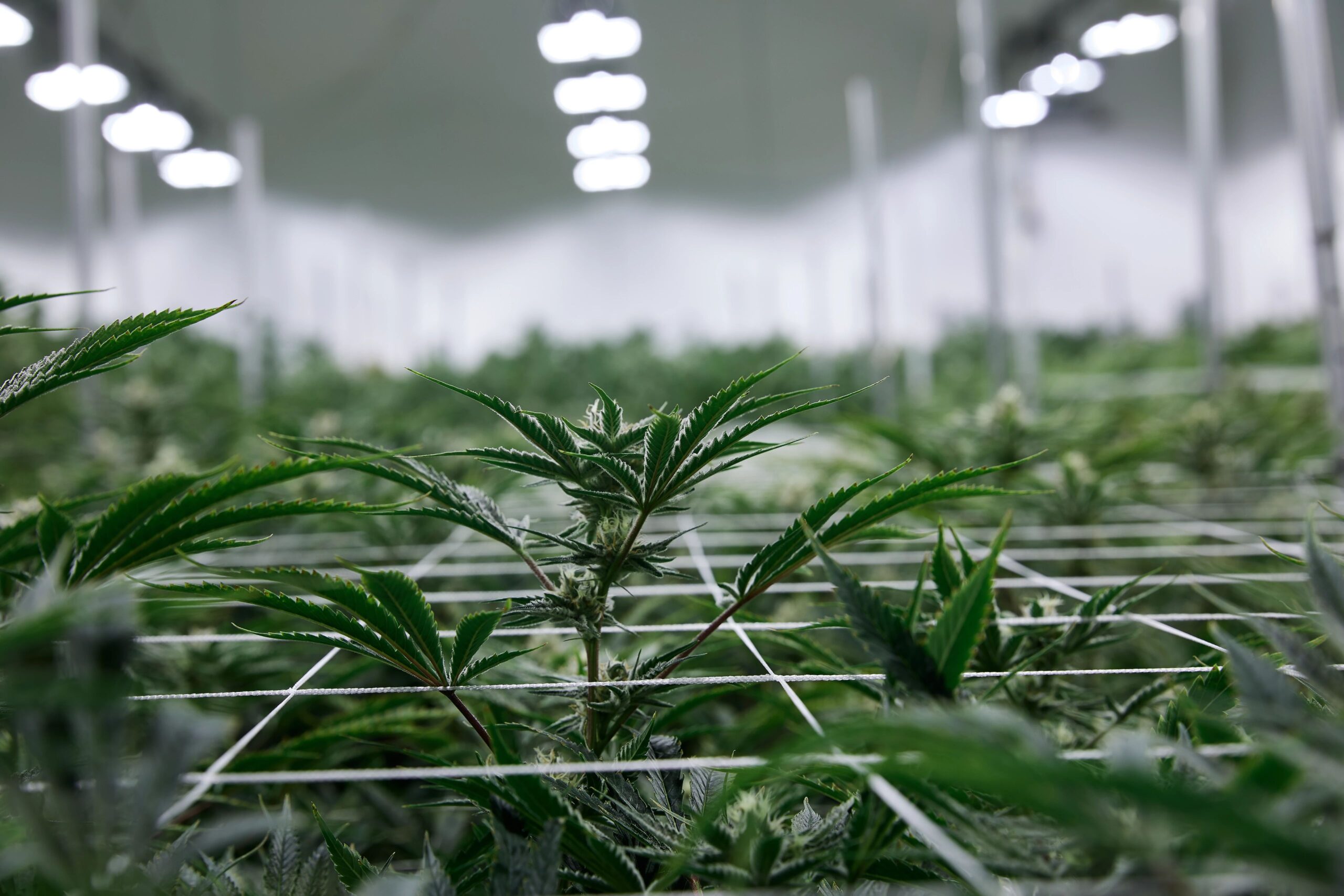
Clone-only cuts tighten consistency because every plant starts from the exact same genetic source. Instead of relying on seed variation, growers preserve a specific mother plant and reproduce it through cloning. That helps maintain more predictable terpene expression, structure, potency range, and resin behavior across multiple harvests.
That said, even clone-only genetics are not immune to drift. Temperature swings, nutrient stress, lighting intensity, irrigation strategy, and post-harvest handling all influence how strongly the plant expresses its potential traits.
The genetics set the ceiling. The grow conditions determine how close you actually get to it.
Terpenes are the earliest signal of instability
THC percentages can stay relatively similar even when the experience changes dramatically. Terpenes reveal instability much faster.
Terpene production responds heavily to genetics, phenotype selection, environmental stress, harvest timing, and cure quality. A stable cultivar smells like itself, batch after batch. If one run smells loud and citrus-forward while the next smells grassy, muted, or oddly pepper-heavy, something shifted in the expression.
The nose catches instability before the THC number does.
How the grow environment shapes the final product
Stable genetics narrow variation. They do not erase environmental influence.
Light intensity, humidity, root-zone health, irrigation timing, airflow, temperature swings, and nutrient balance all affect how the plant develops during flower. A genetically stable cultivar grown under inconsistent conditions can still lose terpene retention, weaken resin production, or develop a flatter aroma. Indoor cultivation controls these variables more tightly, which is why indoor flower tends to land more consistently across harvests. Outdoor production introduces far more fluctuation — and when nature starts making decisions, consistency gets harder to hold.
How harvest timing shifts the chemistry
Harvest timing changes how the flower feels even when the genetics stay identical.
Earlier harvest windows preserve brighter terpene expression and more energetic-feeling effects. Later harvests shift the experience toward heavier body feel, darker aromas, and more sedating sessions as the resin matures. That shift is driven by trichome development — clear trichomes signal immature resin, cloudy indicates peak THCa accumulation, and amber signals cannabinoid degradation as THCa begins converting toward CBN.
Even a stable cultivar can feel like a different product depending on where the harvest window lands.
Why curing after harvest matters
 Photo by: Gina Coleman/Weedmaps
Image lightbox

A perfectly grown batch can fall apart after harvest if the cure gets sloppy.
Curing controls moisture balance, smoke quality, terpene preservation, and flavor development. Poor curing creates flower that smells grassy, hay-like, or harsh, regardless of what the genetics were capable of.
Storage degrades the work further. Heat, oxygen, and UV exposure slowly break down cannabinoids and terpenes over time. Older flower may carry the same strain name while delivering a noticeably flatter session — and consumers often blame the genetics when the real damage happened in a poorly managed storage environment.
Why experienced consumers stop shopping by name

Once you understand how much variation lives inside cannabis cultivation, strain names start to feel like rough suggestions rather than guarantees.
Grower reputation, harvest dates, terpene profiles, and batch freshness carry more predictive weight than the name on the label. Two jars sharing a name but carrying completely different terpene profiles should be treated as different products — because at that point, they functionally are.
That is not being picky. That is paying attention to how this plant actually behaves.
Find fresh flower from trusted brands for pickup or delivery.