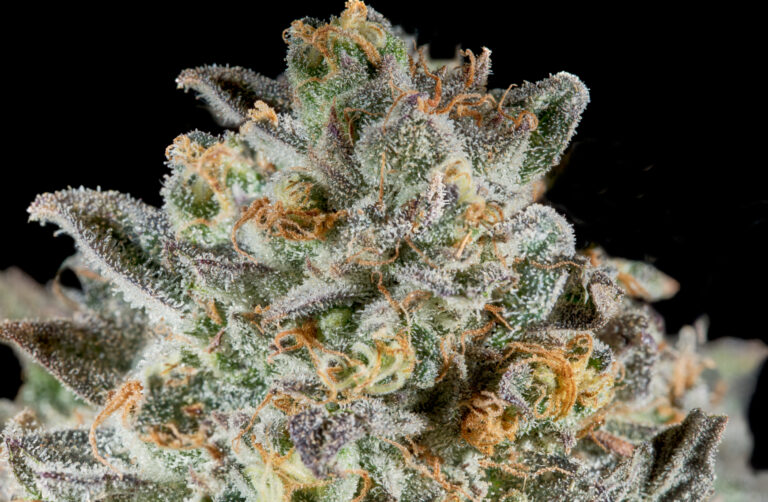
Classic cannabis strains are returning as consumers move beyond THC percentages and toward terpene-driven profiles and the entourage effect, which together shape a more balanced, full-spectrum experience.
 Photo by: Gina Coleman/Weedmaps
Image lightbox

For years, cannabis breeding seemed locked in an arms race. Each new drop promised higher THC percentages, louder terpene profiles, and increasingly complex genetic lineages. Growers chased exotic hybrids with dessert-menu names and inflated expectations.
But lately, that trend is starting to reverse.
Across dispensary menus, cultivation rooms, and seed catalogs, a familiar set of names is quietly resurfacing: Northern Lights, Skunk, different Haze crosses, Piff, Sour Diesel, OG's, Blue Dream, Jack Herer and Kush. These foundational strains, the genetics that helped shape modern cannabis, are back in the rotation.
For many consumers and cultivators, the return to classic cultivars reflects a broader shift in cannabis culture, one that prioritizes terpene expression, balanced effects, and genetic authenticity over raw potency numbers.
The THC arms race, and the fatigue that followed
The legal market made one thing clear: higher THC sells.
Retail shelves began filling with products boasting 30%+ THC, and breeders responded accordingly. Over the past decade, many breeding programs focused on pushing cannabinoid levels higher while stacking increasingly complicated hybrid crosses.
The result was an explosion of modern cultivars — and a growing sense that something was lost along the way.
Higher THC doesn't always translate to a better experience. In fact, many consumers report that extremely high-potency products can feel one-dimensional or overwhelming.
At the same time, lab numbers began dominating buying decisions. Budtenders regularly heard customers ask for “the highest THC on the menu,” often ignoring other factors that shape the experience, like terpenes, minor cannabinoids, and overall plant chemistry.
Today, that mindset is shifting. Many consumers are becoming more curious about flavor, aroma, and nuanced effects, and that curiosity naturally leads back to the strains that built cannabis culture in the first place.
The genetics that built modern weed
If you trace the family tree of modern cannabis, you'll find the same few ancestors appearing again and again.
Classic strains like Northern Lights, Skunk, Haze, and OG Kush became the backbone of modern breeding.
Many of today's celebrated hybrids still carry their DNA.
Northern Lights, for example, became legendary for its resin production, resilience, and deeply relaxing effects. It helped establish the blueprint for countless indica-leaning hybrids.
Skunk genetics introduced powerful aromas and vigorous growth traits that breeders still rely on today. Meanwhile, Haze varieties contributed the soaring, cerebral effects that defined classic sativa experiences.
And then there's the Kush family, particularly OG Kush, which reshaped West Coast cannabis culture and continues to influence modern cultivars.
Even when today's strains have entirely new names, their genetic history often leads right back to these classics.

Image lightbox

Why breeders are revisiting foundational genetics
For breeders, returning to classic cultivars is about stability and reliability.
Modern hybrids can sometimes become genetically complicated. When breeders stack multiple hybrid lines together, desirable traits can become harder to stabilize across generations.
Classic strains, on the other hand, often offer strong, consistent genetic foundations.
Breeders looking to create new cultivars frequently revisit older genetics to:
- Reinforce terpene profiles
- Improve plant structure and vigor
- Stabilize hybrid lines
- Reintroduce classic flavor characteristics
In some cases, breeders are even working to preserve heirloom cannabis genetics before they disappear.
Because many modern breeding projects have focused on novelty, some legacy cultivars risk being lost if growers stop maintaining them. Preserving these genetics has become an important effort within parts of the cannabis community.
Terpenes are taking center stage
Another major reason for the resurgence of classic strains is the growing appreciation for terpenes.
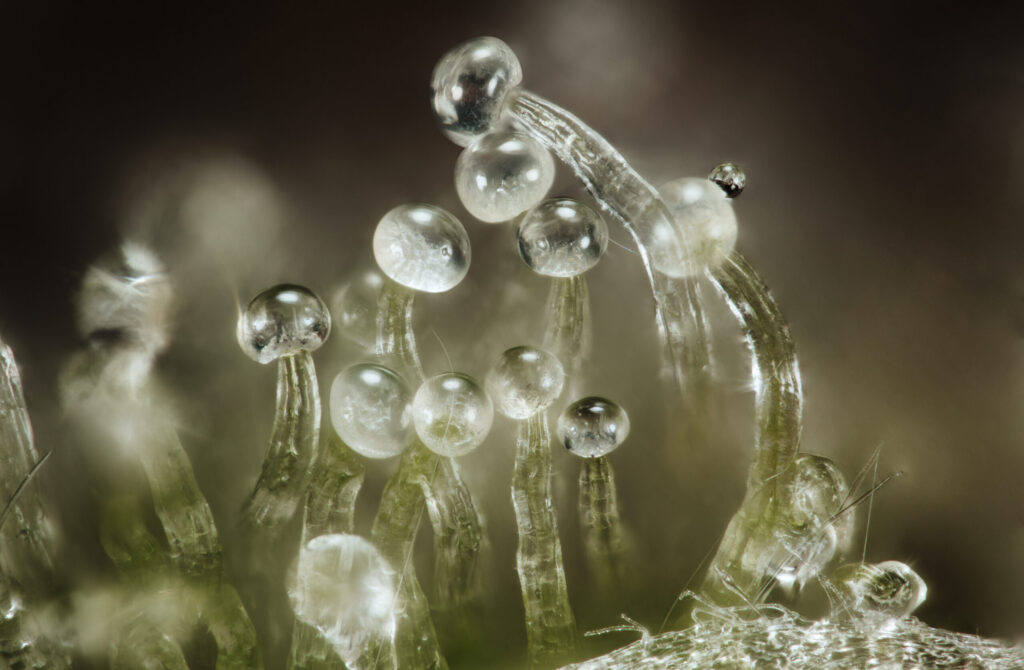
Terpenes are aromatic compounds that shape the smell and flavor of cannabis, but they also play a role in how people experience different cultivars. This interaction between cannabinoids and terpenes is often referred to as the entourage effect, where multiple compounds work together to shape the overall experience rather than acting in isolation.
While THC once dominated the conversation, consumers are increasingly learning about terpenes like myrcene, limonene, caryophyllene, and pinene.
Classic strains are often celebrated for their distinct, recognizable terpene profiles:
- Skunk varieties deliver pungent, unmistakable aromas
- Haze strains carry citrusy, spicy notes and specific uplifting effects
- Kush genetics often lean toward earthy, fuel-forward scents
These flavor profiles helped define cannabis culture for decades, and many consumers are rediscovering just how distinctive they can be.
Instead of asking for the highest THC percentage, more shoppers are now asking budtenders questions like:
- “What does this strain smell like?”
- “Is it terpy?”
- “Does it have that classic Kush flavor?”
That shift is changing what growers prioritize.
Nostalgia plays a role, too
Cannabis culture has always been deeply tied to memory.
For longtime consumers, classic strains often represent specific moments in time, the first bag of Northern Lights they tried, a legendary Haze that circulated through their city, or the unmistakable aroma of early Skunk genetics.
Now that legal markets allow for wider selection and cultivation, many people are seeking out those experiences again.
At the same time, newer cannabis consumers are curious about the strains they've heard about for years. Classic cultivars carry a kind of mythological status within the culture.
Trying them can feel like tasting a piece of cannabis history.
Modern hybrids still depend on retro genetics
Ironically, even as the industry pushed toward increasingly exotic strains, the influence of classic genetics never disappeared.
Many modern cultivars still trace directly back to foundational strains.
Breeding projects often rely on these genetics because they provide the traits growers want most:
- Strong terpene production
- Reliable growth patterns
- Resin-heavy flowers
- Balanced cannabinoid expression
Even some of today's most sought-after cultivars ultimately descend from Kush, Skunk, or Haze lines. In that sense, the resurgence of classic strains is more like a reconnection with the roots of cannabis breeding.
The future may look a lot like the past

As cannabis markets mature, consumer preferences are becoming more sophisticated.
Instead of focusing purely on potency, many shoppers are learning to appreciate the broader experience cannabis offers: aroma, flavor, balance, and cultural heritage.
That shift is opening the door for classic cultivars to reclaim their place on dispensary menus.
Growers are experimenting with revived landrace lines, stabilized retro cultivars, and thoughtful crosses that preserve classic terpene profiles.
And as more people discover the difference between raw THC numbers and a well-expressed plant, the appeal of these legacy strains is likely to grow.
Because sometimes, the strains that defined cannabis culture decades ago still deliver exactly what people are looking for today.
In the end, the return of classic cannabis is a reminder that while breeding innovation continues to push the plant forward, the foundations of great cannabis were laid long ago, and they're still worth celebrating.
Find classic cannabis strains at dispensaries near you.