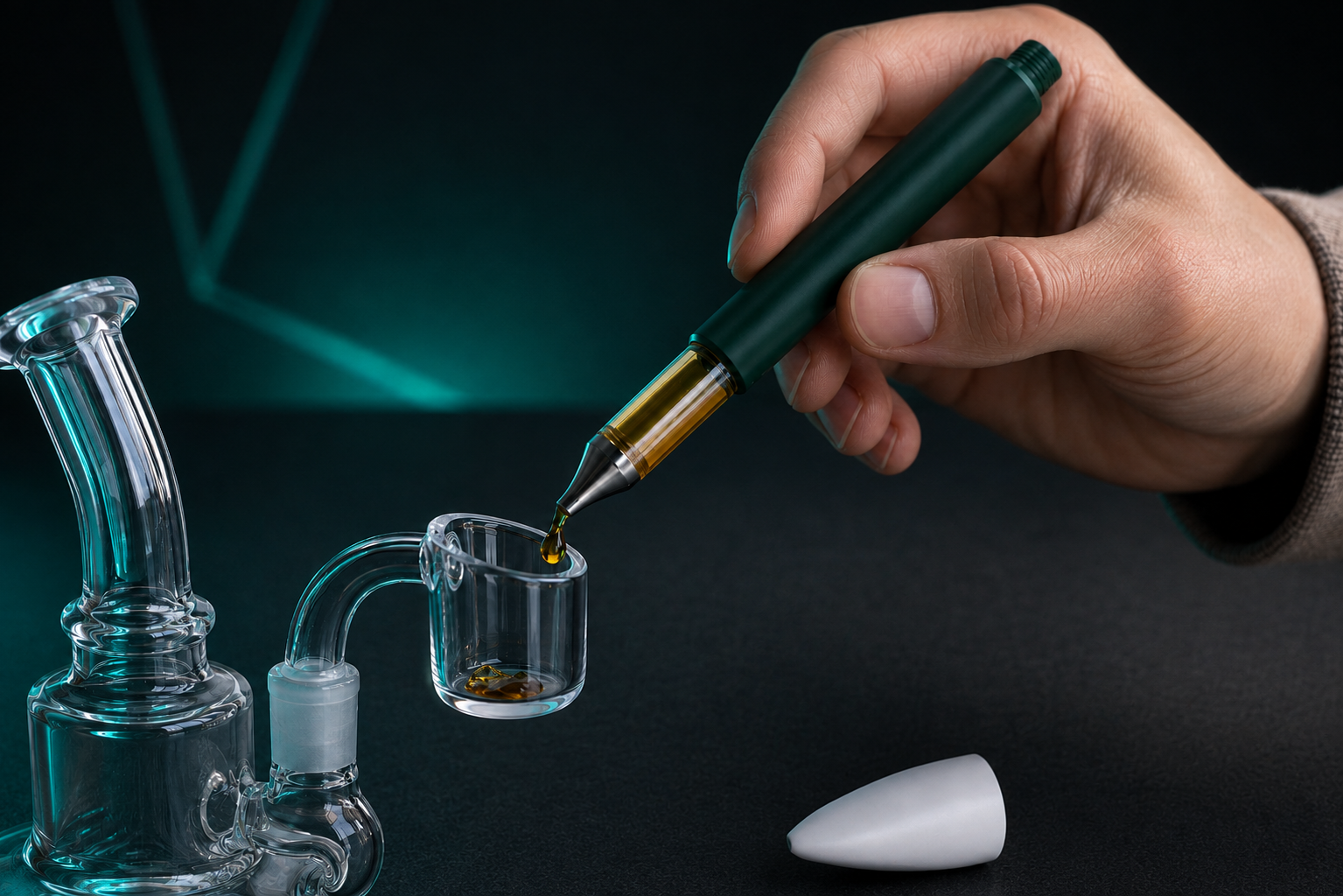
Sticky cannabis oil has a talent for landing everywhere except where you want it. A Dablicator solves that problem with a portable applicator that measures and dispenses oil without the usual syringe wrestling match.
Image lightbox

The oil inside determines what happens next. Depending on the formulation, you can use it for dabbing, topping flower, twaxing joints, making edibles, sublingual dosing, filling compatible vape cartridges, or applying certain oils topically. The device dispenses the oil. The label decides where that oil belongs.
What is a Dablicator?
Dablicator™ is a trademarked oil applicator introduced by California-based Jetty Extracts in 2014. Similar devices may be described generically as cannabis oil applicators, concentrate applicators, or oil dispensers.
The device stores oil in a shatter-resistant tank and dispenses it through a narrow, heat-resistant metal tip. Its bidirectional twist-and-click mechanism advances a marked plunger, helping users dispense repeatable quantities of oil instead of eyeballing a glob from a syringe.
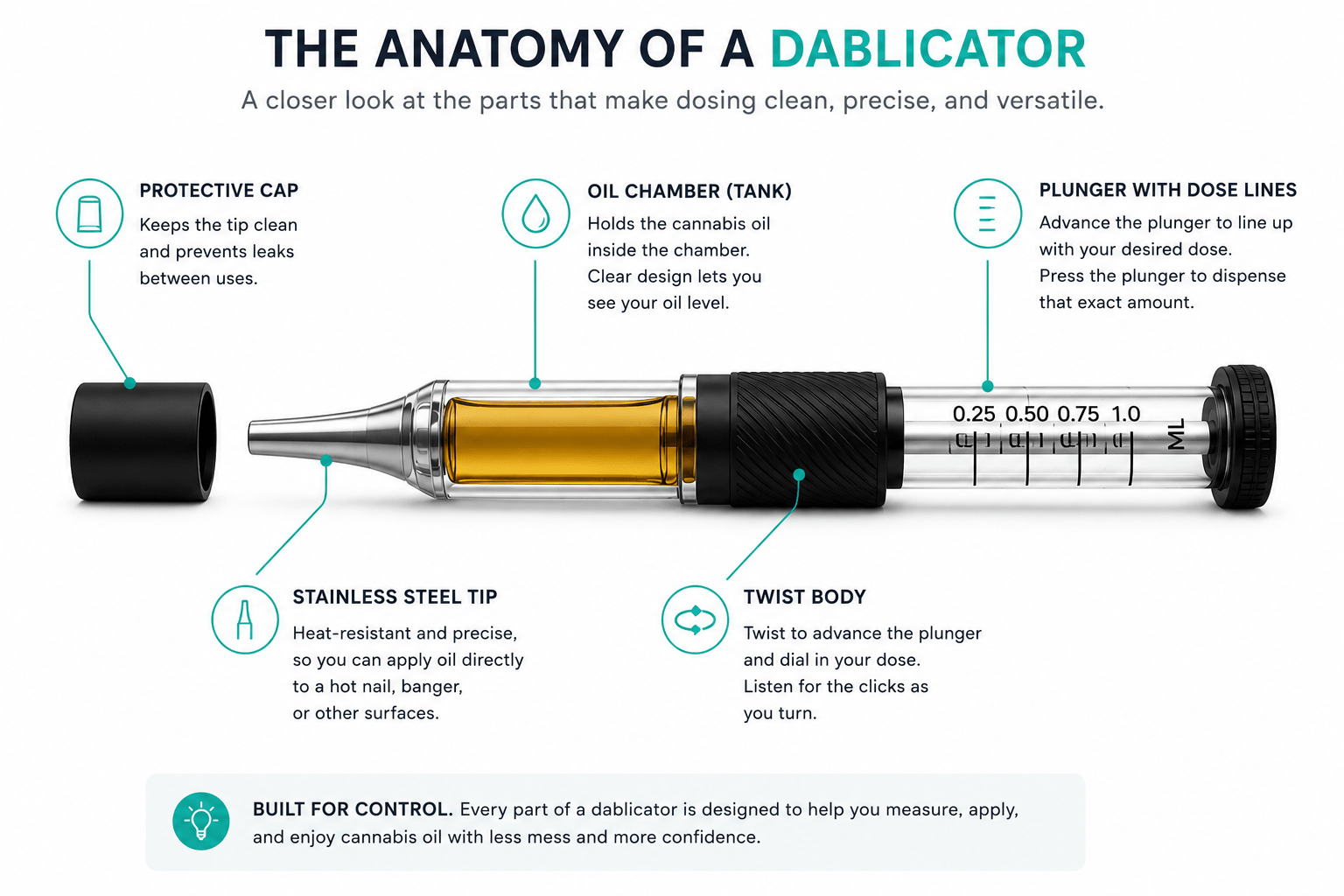
Image lightbox

A protective cap covers the tip and helps prevent leaks between uses. Inside the body, a tank holds the cannabis oil. Twisting the body advances the plunger incrementally, while pressing the exposed plunger dispenses the selected amount through the metal tip.
The exact quantity represented by each click or marked line depends on the hardware version. Always use the dosing information printed on the product packaging rather than assuming that every Dablicator releases the same amount.
It's also important not to confuse a Dablicator with a wax pen or vape. A vape contains a battery and heating element that vaporize cannabis oil for inhalation. A Dablicator does not heat the oil. It stores, measures, and dispenses it, leaving the actual consumption method up to you and the formulation inside.
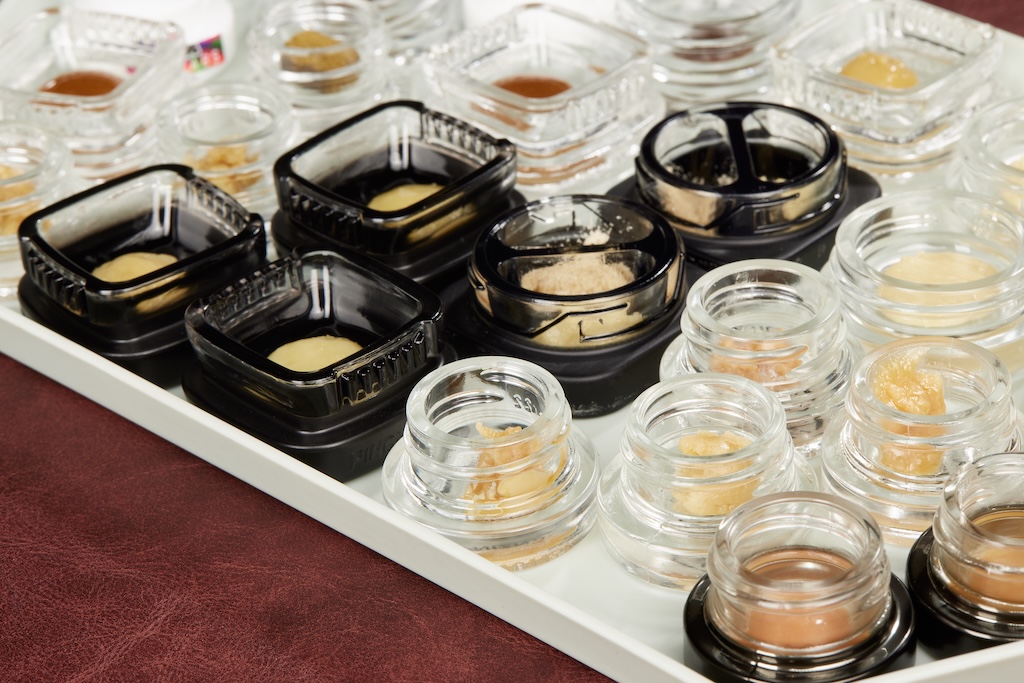
If you're new to concentrates, it's worth understanding how cannabis oil fits into the broader world of cannabis concentrates before choosing how to use it.
How does a Dablicator work?
A Dablicator uses a twist, click, and push mechanism:
- Remove the protective cap.
- Hold the tank steady and twist the body.
- Listen and feel for the clicks as the marked plunger extends.
- Stop when you reach the amount indicated by the product instructions.
- Press the plunger to dispense the oil.
- Twist the body backward after dispensing to pull oil away from the tip.
- Replace the cap.
Each click advances the plunger by a small increment, while the marked lines show larger measured amounts of oil. The amount represented by each click or line can vary by Dablicator model, so follow the dosing information on your product's packaging.
If nothing comes out the first time, don't crank the device like you're opening a fire hydrant. A small air bubble may be present in a new applicator. Continue priming it carefully according to the directions until the air clears and oil reaches the tip.
Does Dablicator oil work when eaten?
That depends entirely on the oil.
A Dablicator is compatible with several formulations, including distillate, RSO, CO₂ oil, live resin, rosin, solventless extracts, and CBD oil. The applicator itself does not decarboxylate or activate anything.
Distillate and RSO are generally decarboxylated during production and can be used orally when the label allows it. Live resin, rosin, and other concentrates can retain substantial amounts of THCA, so do not assume they will work like activated oral THC.
Decarboxylation converts acidic cannabinoids into their neutral forms. In this process, THCA loses a carboxyl group and becomes THC. This type of chemical reaction is broadly known as decarboxylation and is described in greater technical detail by ScienceDirect.
Research shows that fresh cannabis plant material generally contains much more THCA than THC. Raw flower needs heat or time to convert much of that THCA into THC, which is why eating it straight off the stem does not produce the same intoxicating effect as consuming a properly decarboxylated product.
Before adding Dablicator oil to food, drinks, or the area under your tongue, confirm that the label identifies it as activated and intended for oral or sublingual use. If the package only authorizes inhalation, don't freelance.
For more on the science, see our complete guide to decarboxylation.
Ways to use a Dablicator
A Dablicator is versatile hardware, but that doesn't mean every oil inside is suitable for every method. Check the product label before inhaling, swallowing, vaporizing, or applying any cannabis oil to your skin.
Depending on its formulation, the oil can be dabbed, added to flower, mixed into food, placed under the tongue, used topically, or transferred into a compatible vape cartridge. Health Canada notes that cannabis products can be consumed in several ways, each with its own onset, duration, and potential risks.
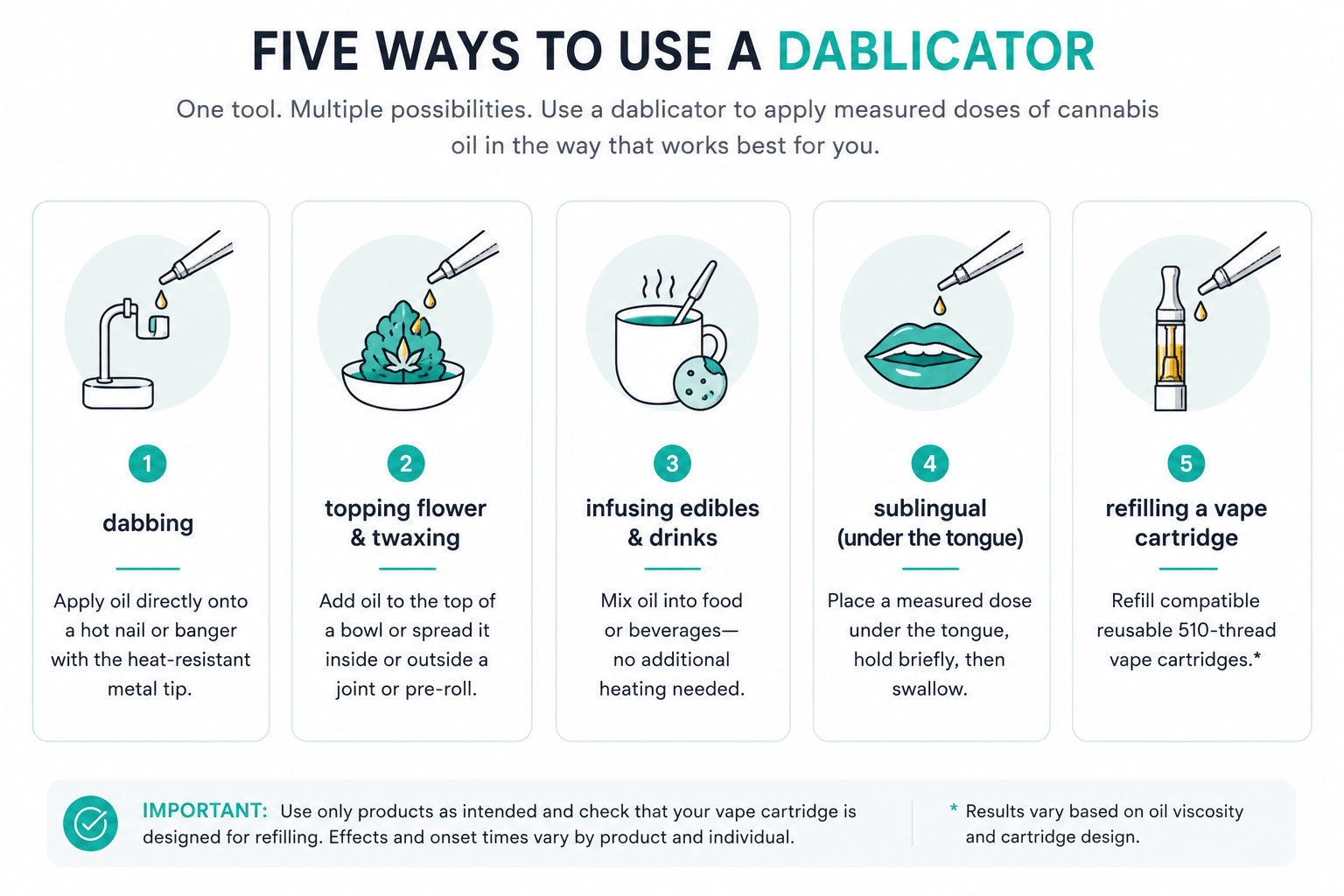
Image lightbox

Dabbing
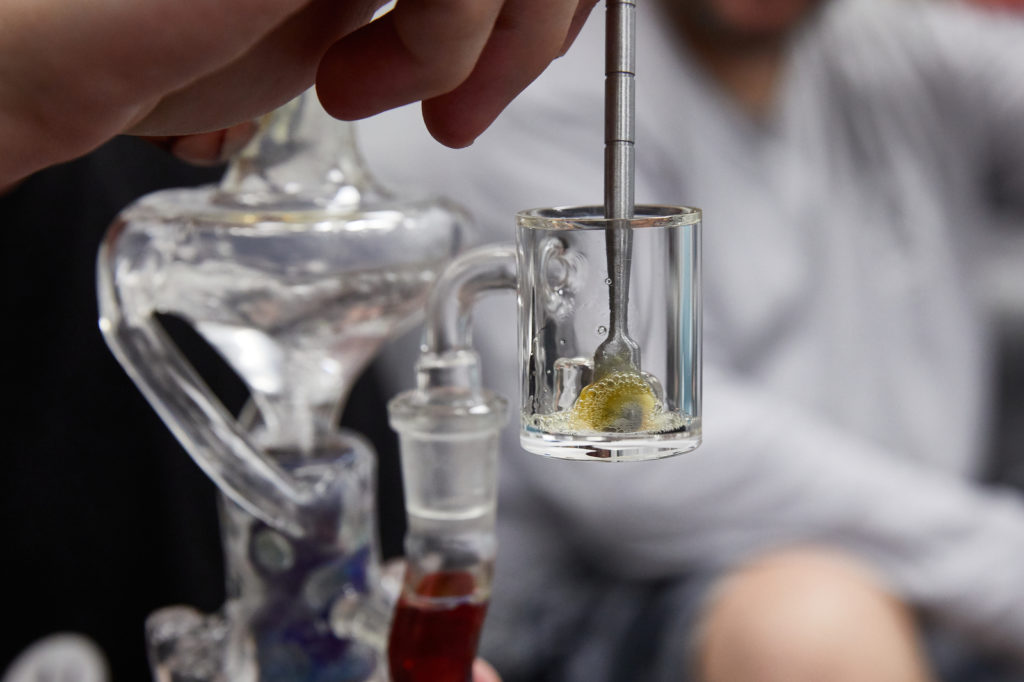
If the oil is intended for inhalation, the heat-resistant metal tip allows you to dispense a measured amount onto a nail or banger for a hot- or cold-start dab. This reduces the juggling act involved in transferring sticky concentrate from another container.
Avoid pressing the plastic body against a heated surface. The metal tip is heat-resistant; the rest of the applicator is not a dab tool.
If you're new to concentrates, check out our guide to dabbing.
Topping flower and twaxing
Oil intended for inhalation can be added to a packed bowl or layered between flower. You can also spread a thin line inside a joint or pre-roll, coat the outside, or use the oil to seal the paper. This technique is commonly called twaxing.
Concentrated oil can substantially increase the potency of flower. A little goes a long way, so start with a thin line rather than giving your joint an oil slick.
Infusing edibles and drinks
If the oil is decarboxylated and labeled for oral consumption, you can add a measured amount to food or beverages without performing a separate activation step.
Mix the oil thoroughly so the cannabinoids are distributed as evenly as possible. Simply dropping a glob into a finished recipe can create one lightly infused serving and one serving that sends somebody into another postal code.
Swallowed THC passes through the liver, where part of it is converted into 11-hydroxy-THC. This potent metabolite helps explain why edibles can feel stronger and last longer than inhaled cannabis. Oil that remains rich in THCA will not deliver the same oral intoxicating effects unless it is properly decarboxylated first. Always confirm the formulation before using it in a recipe.
For more information, see our guide on how to make edibles with concentrates.
Sublingual (under the tongue)
Some activated cannabis oils are formulated for sublingual use. A measured amount is placed under the tongue and held there briefly before swallowing.
Oil absorbed through the tissue under the tongue can start working faster than swallowed cannabis because that portion enters circulation without first passing through the liver. Any oil that is swallowed still undergoes first-pass metabolism, including conversion of some THC into 11-hydroxy-THC. Thick cannabis extract is easy to swallow accidentally, so the onset can land closer to that of an edible than a fast-acting sublingual product.
Research on cannabis edibles shows that swallowed cannabis generally takes longer to produce noticeable effects than inhaled cannabis. Sublingual onset varies according to the formulation, carrier ingredients, dose, and how long the oil remains under the tongue.
Refilling a vape cartridge
A Dablicator can transfer compatible cannabis oil into an empty or refillable vape cartridge. Success depends on the oil's viscosity, the cartridge intake design, and whether the formulation was made for vaporization.
Do not put RSO, edible oil, topical oil, or another product not intended for inhalation into a vape cartridge. Likewise, don't assume every used disposable cartridge can be safely opened and topped off. Follow the oil and cartridge manufacturers' instructions.
Topical application
Some formulations, including certain RSO and CBD products, are intended for topical application. Only use the oil this way if the label permits it.
Standard topical products generally act locally and do not produce the same intoxicating effects as inhaled or swallowed THC. Transdermal products are formulated differently and may deliver cannabinoids through the skin into the bloodstream.
How Dablicator dosing works
A Dablicator's markings measure the quantity of oil, not the quantity of cannabinoids or the size of an intoxicating dose.
Total cannabinoid content tells you how much cannabinoid material the oil contains. Total THC estimates the amount of potentially intoxicating THC after accounting for THCA conversion. Those figures answer different questions, so check both when the label provides them.
The result depends on:
- How much oil the applicator dispenses
- The total cannabinoid concentration of that oil, including THC, THCA, CBD, CBDA, and other reported cannabinoids
- Whether the label reports THC, THCA, total THC, or total cannabinoids
Testing labs report that cannabis concentrates vary widely in cannabinoid content. Two applicators can dispense the same weight of oil while delivering different total cannabinoid loads and different amounts of total THC.
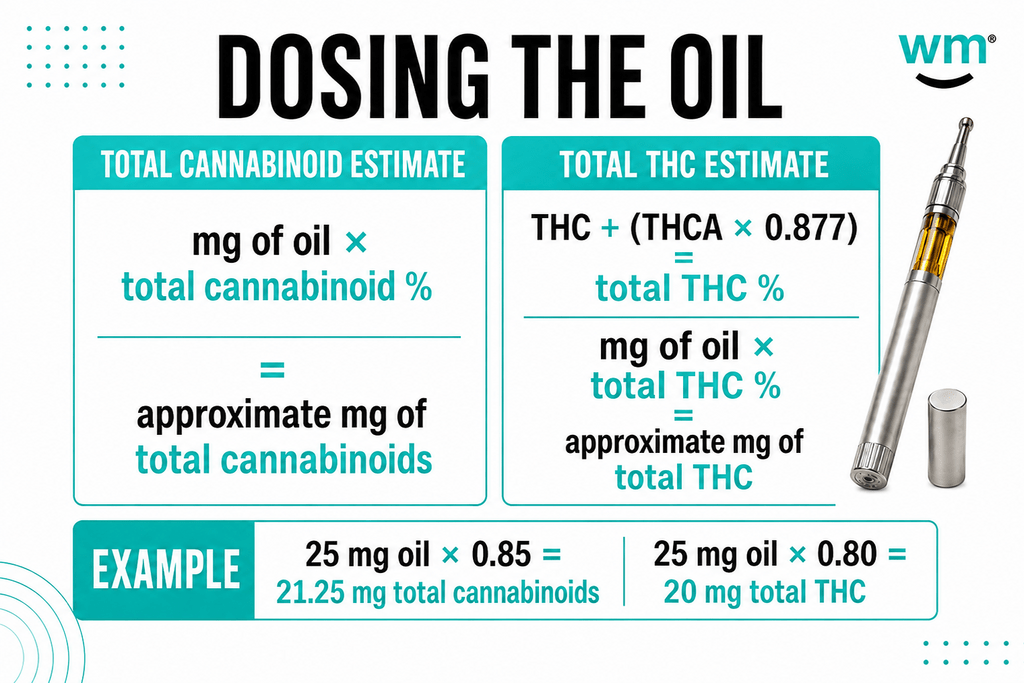
Image lightbox

For example, when concentration is reported as a percentage by weight, 25 milligrams of oil at 85% total cannabinoids contains approximately 21.25 milligrams of total cannabinoids.
These are label-based estimates, not independent laboratory results. Use the product's dosing instructions whenever they provide the cannabinoid amount per click or marked line.
For context, 10 milligrams is the standard maximum single serving of THC for a recreational edible in Colorado's regulated market. A small measured portion of highly potent oil may therefore contain more than one standard edible serving.
Check the package for:
- Oil dispensed per click or marked line
- THC, THCA, CBD, and total cannabinoid concentrations
- Recommended serving size
- Approved consumption methods
- Required warnings
For more information, see our cannabis concentrates guide.
Getting started with a Dablicator
Cannabis concentrates pack far more cannabinoids into a gram than flower, which leaves less room for guesswork. The Washington State Liquor and Cannabis Board advises consumers to pay attention to THC concentration and serving size, while peer-reviewed research documents the substantial rise in concentrate potency over time.
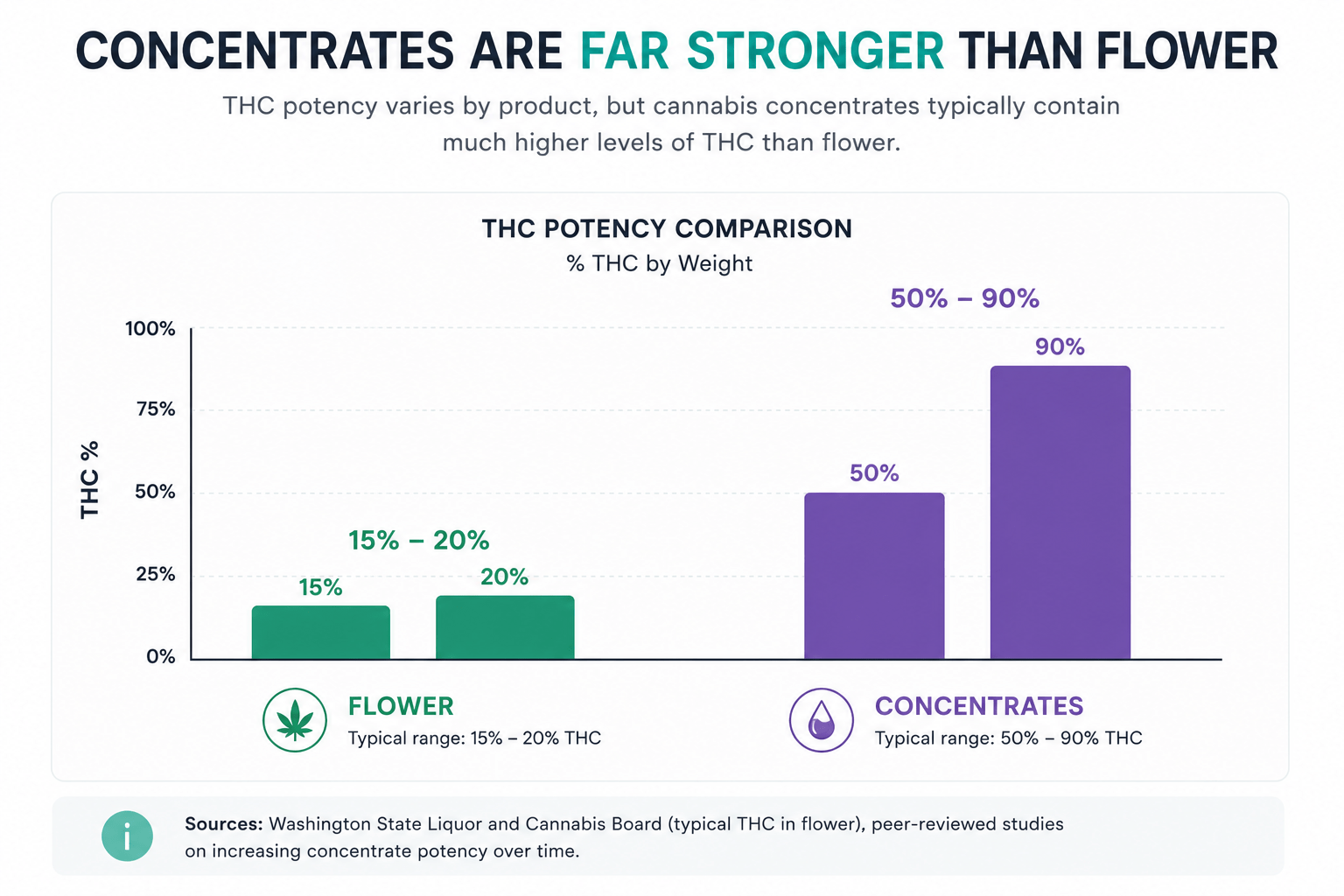
Image lightbox

Because concentrates can contain a large cannabinoid load in a small amount of oil, one short press can deliver more THC than an inexperienced consumer expects. The CDC notes that high-THC products may carry greater risks, including overconsumption and cannabis use disorder.
If you are swallowing activated cannabis oil:
- Begin with less than one standard serving if you have limited experience.
- Wait long enough to judge the complete effects before taking more.
- Remember that oral cannabis can take up to approximately four hours to reach its full effect.
- Do not drive or operate machinery after consuming THC.
- Keep the applicator securely stored away from children and pets.
Inhaled cannabis generally takes effect within minutes, but that speed is not permission to stack dab after dab. Give yourself time to judge the effects.
How to use a Dablicator, step by step
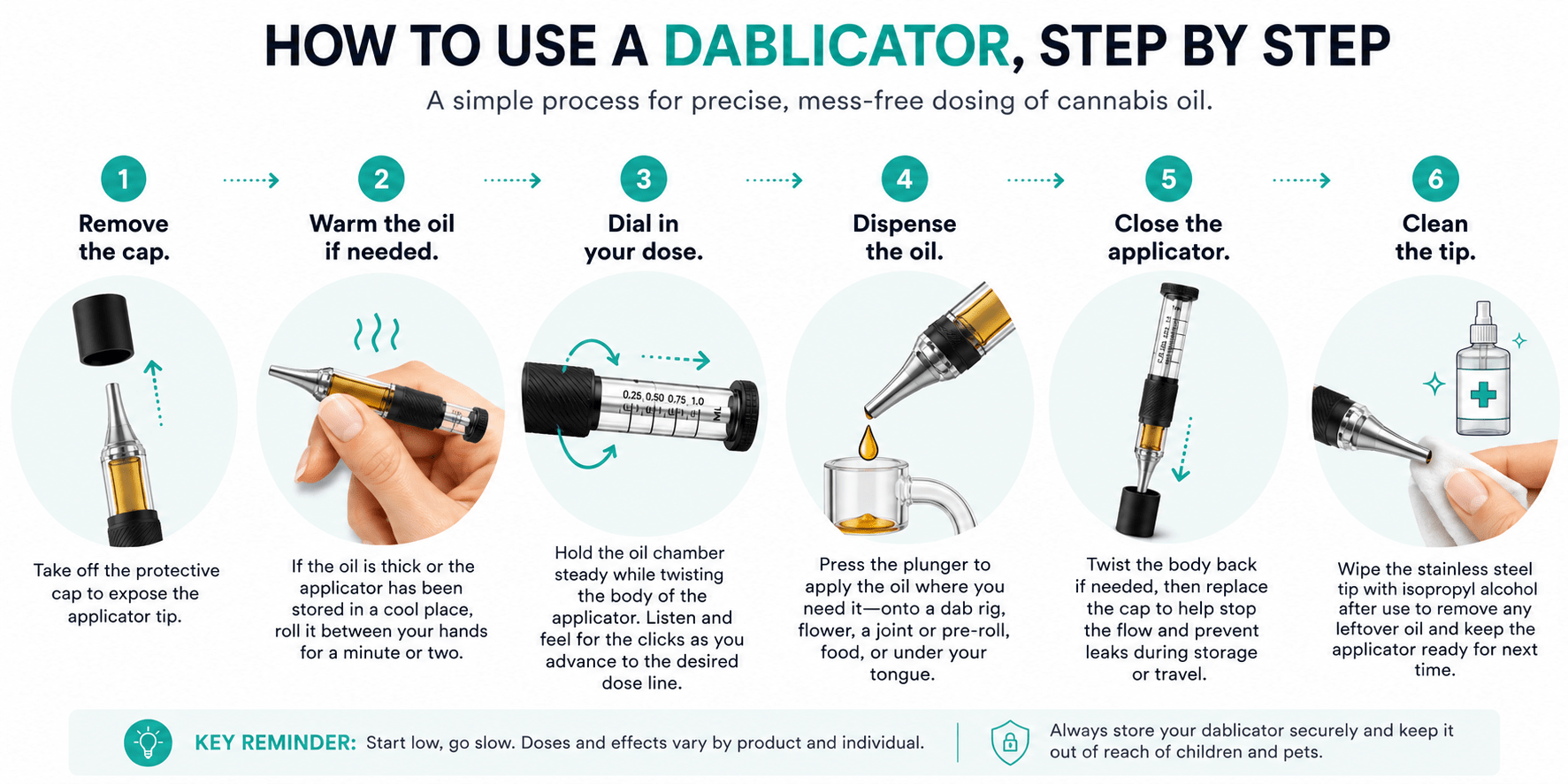
Image lightbox

- Read the label. Confirm the oil type, potency, dosing increment, and approved consumption methods before opening the applicator.
- Remove the cap. Take off the protective cap to expose the metal tip.
- Warm the oil if needed. If the oil is thick or has been stored somewhere cool, roll the applicator between your hands for a minute or two. The manufacturer says the device dispenses best when the oil flows at approximately 70–75°F.
- Select an amount. Hold the tank steady and twist the body. Count the clicks or watch the marked plunger until you reach the amount indicated by the product instructions.
- Dispense the oil. Press the plunger and place the oil where needed. Only use a method authorized for that formulation.
- Stop the flow. Twist the body backward after dispensing to pull the oil away from the tip.
- Clean the exterior of the tip. Wipe away residue. If you use isopropyl alcohol, prevent it from entering the tank and let it evaporate completely before recapping or using the applicator again.
- Replace the cap. Store the applicator upright in an appropriate location.
Storage, cleaning, and troubleshooting
Store the Dablicator upright to reduce the possibility of leaking. The manufacturer says its oils generally dispense best at approximately 70–75°F, although certain concentrates may be stored in cooler conditions to protect their quality.
If the product label recommends refrigeration, let the applicator return to an appropriate dispensing temperature before use.
After dispensing:
- Twist the body backward to stop the flow.
- Wipe residue from the exterior of the metal tip.
- Let any cleaning alcohol evaporate completely.
- Replace the cap.
- Store the device upright.
- Keep it away from direct sunlight and excessive heat.
If the oil becomes difficult to dispense, warm the applicator gently by rolling it between your hands. The manufacturer also recommends using a hair dryer on a low setting or placing the capped applicator in warm water for a few minutes.
Do not boil it, microwave it, place it in an oven, or blast it with high heat. Excessive heat can thin the oil enough to cause leaks and may damage the oil or applicator.
If the device leaks, check that you twisted the body backward after dispensing, replaced the cap securely, and stored it upright. Heat from a parked car, sunny windowsill, or hot garage can thin the oil and force it toward the tip.
Dablicators are generally sold as prefilled consumer products. Do not disassemble or attempt to refill one unless the product manufacturer explicitly identifies it as reusable.
Dablicator vs. syringe
A Dablicator and a traditional concentrate syringe both store and dispense cannabis oil through a narrow opening. Both may also include measurement markings.
The principal difference is control. A Dablicator uses a twist-and-click selector to advance the plunger incrementally before you press it. A syringe relies directly on finger pressure. Thick oil can resist the syringe plunger and then suddenly release, making it easy to dispense more than intended.
A Dablicator also features a heat-resistant metal tip designed for direct oil application during dabbing. Concentrate syringes vary: some use plastic tips, while others accept removable metal dispensing tips. Unless a syringe manufacturer specifically says its tip can tolerate direct heat, keep it away from hot nails and bangers.
Neither device determines whether the oil is safe to dab, swallow, vaporize, or apply topically. That decision comes from the formulation and product instructions.
Frequently asked questions
What does a Dablicator do?
A Dablicator stores and dispenses repeatable quantities of cannabis oil. Depending on the formulation, the oil may be used for dabbing, topping flower, twaxing, making edibles, sublingual application, topical application, or filling a compatible vape cartridge.
What is the difference between a syringe and a Dablicator?
A Dablicator uses a twist-and-click selector to advance a measured amount before the plunger is pressed. A traditional syringe relies directly on plunger pressure, which can make thick cannabis oil more difficult to control.
The Dablicator also features a heat-resistant metal tip designed for direct oil application. Syringe materials and tips vary by manufacturer.
Can you dab with a Dablicator?
Yes, if the oil is intended for inhalation. The metal tip can dispense oil directly onto a nail or banger for a hot- or cold-start dab. Do not dab RSO, edible oil, topical oil, or any formulation that is not approved for inhalation.
Can you make edibles with a Dablicator?
Yes, if the oil is decarboxylated and intended for oral consumption. Distillate and RSO are generally activated during production, but live resin, rosin, and other concentrates may retain substantial THCA. Check the label before adding the oil to food or drinks.
Can you use a Dablicator orally or under the tongue?
Some Dablicator products can be swallowed or used sublingually. The oil must be activated and formulated for that purpose. Follow the package directions rather than assuming every oil applicator is orally compatible.
What do you do with an RSO Dablicator?
RSO is generally intended for oral or topical use. Follow the product label carefully, especially when measuring a serving. Do not dab or vape RSO unless the manufacturer explicitly states that the particular formulation is suitable for inhalation.
Can you fill a vape cartridge with a Dablicator?
A Dablicator can fill an empty or refillable cartridge when the oil has the correct viscosity and is specifically intended for vaporization. Never put oral, edible, or topical oil into a vape cartridge.
How much does a Dablicator dispense?
The amount varies by hardware version. Each click advances a small quantity, while the marked lines represent larger measured amounts of oil. Check the product packaging or manufacturer's dosing chart for the exact quantity represented by each click or line.
How much does a Dablicator cost?
Prices vary according to the oil, brand, potency, package size, and local cannabis market. To compare products available nearby, find dispensaries near you.
Is a Dablicator right for you?
A Dablicator earns its keep when a concentrate jar feels like too much equipment and a single-use vape feels too limiting. It puts thick cannabis oil into a portable applicator without permanently locking that oil into one consumption method.
The tradeoff is waste. The last bit of oil can be difficult to recover from the chamber, and nonrefillable versions add another piece of hardware to the trash. If cleaner dispensing and portability matter more than scraping every last drop from a jar, the format makes sense.
Ready to compare products? Find dispensaries near you, or explore more cannabis education and product guides on Weedmaps.