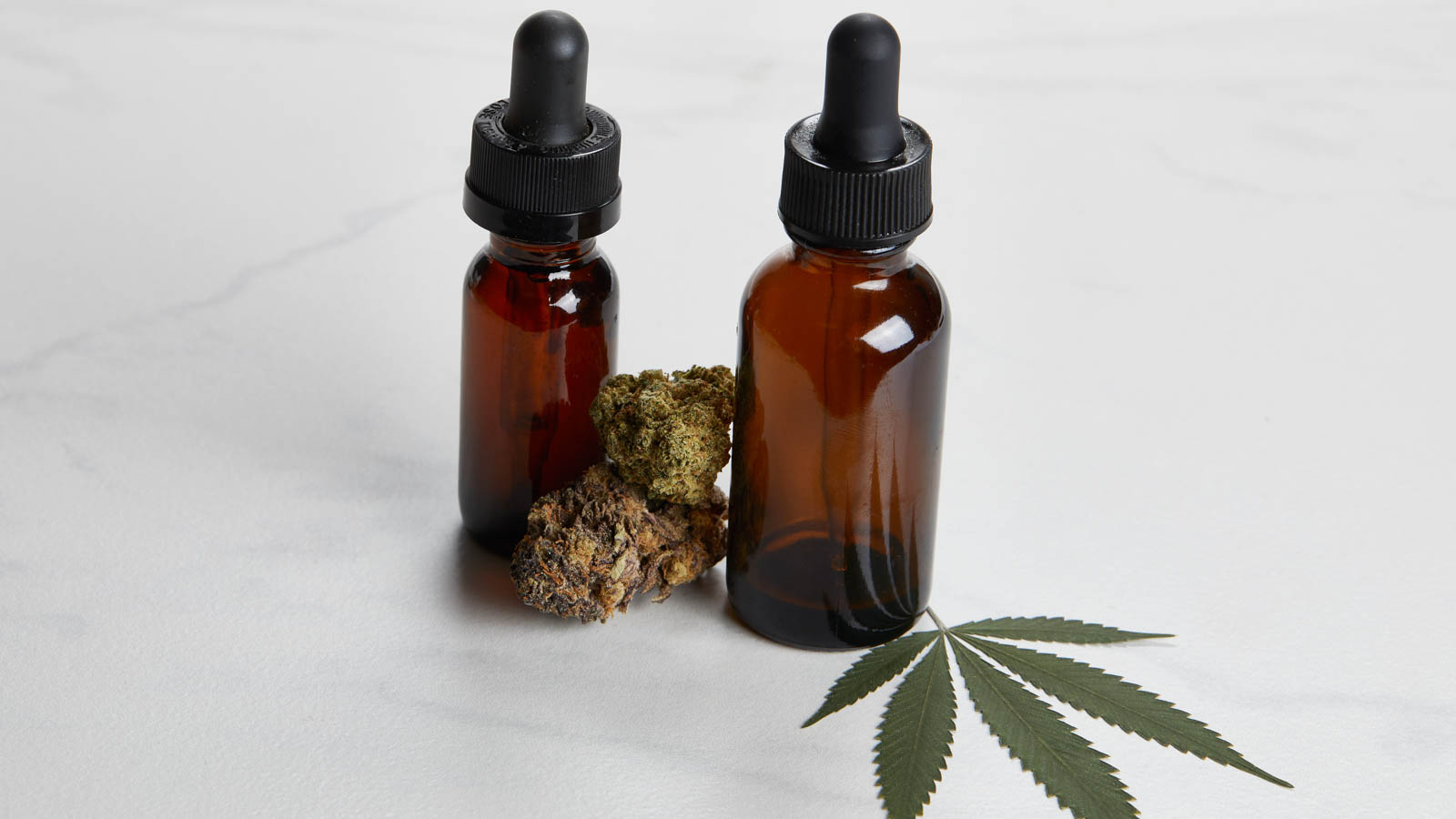
THC syrup is processed through many of the same pathways as traditional edibles, but its liquid format can change how quickly cannabinoids move through digestion and absorption.
 Photo by: Gina Coleman/Weedmaps
Image lightbox

If you've ever wondered why a THC syrup seems to kick in faster than a gummy, or why two products with the same amount of THC can feel surprisingly different, the answer lies in what happens after the syrup is swallowed.
From the mouth and digestive tract to the liver and bloodstream, each stage affects how THC is absorbed, metabolized, and ultimately experienced.
What is THC syrup?
THC syrup is a liquid cannabis edible made by suspending concentrated THC in a sweetened syrup base. It can be consumed on its own or mixed into beverages, giving consumers an alternative to gummies, chocolates, and other traditional edibles.
THC syrups are available in a range of formulations. Some contain conventional cannabis extracts, while others use nanoemulsion technology designed to disperse cannabinoids more evenly throughout a liquid. Those formulation differences can influence how THC moves through the body, making it important to understand what happens after the syrup is consumed.
How THC syrup moves through the body
Understanding how THC syrup is processed starts with following its path through the body step by step. From the moment it enters the mouth to the point where it is absorbed and metabolized, each stage plays a role in shaping how the effects are experienced.
Mouth and oral tissues
The journey begins before THC syrup reaches the stomach. As the syrup passes through the mouth, cannabinoids come into contact with oral tissues along the tongue, cheeks, and gums. While THC syrup is not typically used the same way as a sublingual tincture, some consumers hold it in their mouths briefly before swallowing.
Any absorption that occurs at this stage is generally limited, but it helps explain why some people are curious about whether THC syrup feels different from other edible products. For most consumers, the majority of the THC continues into the digestive system after swallowing.
What happens in the stomach?
Once swallowed, THC syrup enters the stomach just like any other edible. The key difference is that it arrives as a liquid rather than a solid food product.
A gummy, brownie, or chocolate edible must first break down before cannabinoids become available for absorption. THC syrup skips that step because the cannabinoids are already suspended in a liquid. As a result, the digestive process may begin more efficiently than it does with some traditional edibles.
This does not mean THC syrup bypasses digestion. It still moves through the gastrointestinal tract, but its liquid format can influence how quickly the next stage begins.
Absorption in the small intestine
Most THC absorption occurs in the small intestine. Here, cannabinoids pass through the intestinal lining and enter the bloodstream, where they can be transported throughout the body.
After absorption, much of that THC travels to the liver, where it undergoes first-pass metabolism. During this process, the liver converts THC into 11-hydroxy-THC, a metabolite associated with the long-lasting effects commonly linked to edible cannabis products.
This is why many THC syrups ultimately behave much like traditional edibles. Even when onset feels different, the cannabinoids still pass through many of the same biological pathways that shape the edible experience.
Why some THC syrups may act faster
One of the most common questions about THC syrup is whether it works faster than other edibles. The answer depends on the product, but the syrup's formulation can influence how quickly THC becomes available for absorption.
The advantage of a liquid format
Unlike gummies, chocolates, or baked edibles, THC syrup is already in liquid form when it enters the digestive system. Solid edibles must first break down before cannabinoids can move on to the next stages of digestion and absorption.
Because THC syrup does not require that same breakdown process, cannabinoids become available for absorption sooner. This difference does not change the fundamental way THC is processed by the body, but it can influence how quickly the process begins.
The role of nanoemulsion technology
Some THC syrups use nanoemulsion technology, which breaks cannabinoids into extremely small droplets that can be dispersed more evenly throughout a liquid. Traditional cannabis extracts naturally separate from water, while nanoemulsified cannabinoids are designed to stay more evenly distributed in beverages.
Because these particles are much smaller than those found in conventional cannabis extracts, they interact differently with the body's absorption processes. This is why nanoemulsified THC products are often marketed as fast-acting alternatives to traditional edibles. Not all THC syrups use this technology, however, which means two products containing the same amount of THC may produce different onset times and experiences.
THC syrup vs. gummies: a processing comparison
THC syrup and gummies are both edible cannabis products, so they share the same major pathway: digestion, absorption, and liver metabolism. The difference is how each product reaches those stages.

Image lightbox

The biggest difference between THC syrup and gummies occurs during the early stages of digestion. Because THC syrup is already in liquid form, cannabinoids are available for absorption sooner than they are in a solid edible that must first break down.
Does THC syrup bypass the liver?
A faster onset can make it seem like THC syrup follows a completely different path than traditional edibles, but the liver still plays an important role in how most products are processed.
After THC is absorbed through the digestive system, much of it travels to the liver, where it undergoes first-pass metabolism. As discussed earlier, this process remains a key part of how edible cannabis products are processed by the body.
This is one reason THC syrup and gummies often produce similar types of effects, even when their onset times differ. A syrup's liquid format or formulation may influence how quickly absorption begins, but liver metabolism remains a major part of the journey for most swallowed THC products.
Factors that affect how thc syrup is processed

Image lightbox

Even when two people consume the same THC syrup at the same dose, their experiences can differ. That's because the way cannabinoids are absorbed, metabolized, and distributed throughout the body is influenced by several individual and product-specific factors.
Metabolism and body composition
Metabolism plays a major role in how quickly THC is processed. Factors such as body composition, age, and overall physiology can influence how cannabinoids move through the digestive system and how efficiently they are metabolized.
Food intake
What you've eaten, and when you've eaten it, can affect the edible experience. Consuming THC syrup on an empty stomach may lead to a different onset pattern than consuming it after a meal, since food can influence digestion and absorption.
Cannabis tolerance
People who consume cannabis regularly may experience THC syrup differently than those with little or no tolerance. Frequent cannabis use can change how strongly THC's effects are perceived, even when the product is processed through the same biological pathways.
Product formulation
Not all THC syrups are formulated the same way. Some rely on conventional cannabis extracts, while others use technologies such as nanoemulsion to alter how cannabinoids are dispersed throughout a liquid. These formulation differences can influence how quickly effects are noticed and help explain why two THC syrups with the same THC content may not feel identical.
The bottom line

THC syrup is processed much like other edibles, but its liquid format can influence how quickly absorption begins and how the experience unfolds. Factors such as formulation, metabolism, and food intake all play a role in what you feel and when you feel it.
Ready to try THC syrup? Shop THC syrup available for pickup or delivery near you on Weedmaps.