

A weed grinder breaks cannabis into smaller pieces so it burns evenly and allows for better airflow. Instead of uneven chunks, ground cannabis creates a more controlled, consistent burn.
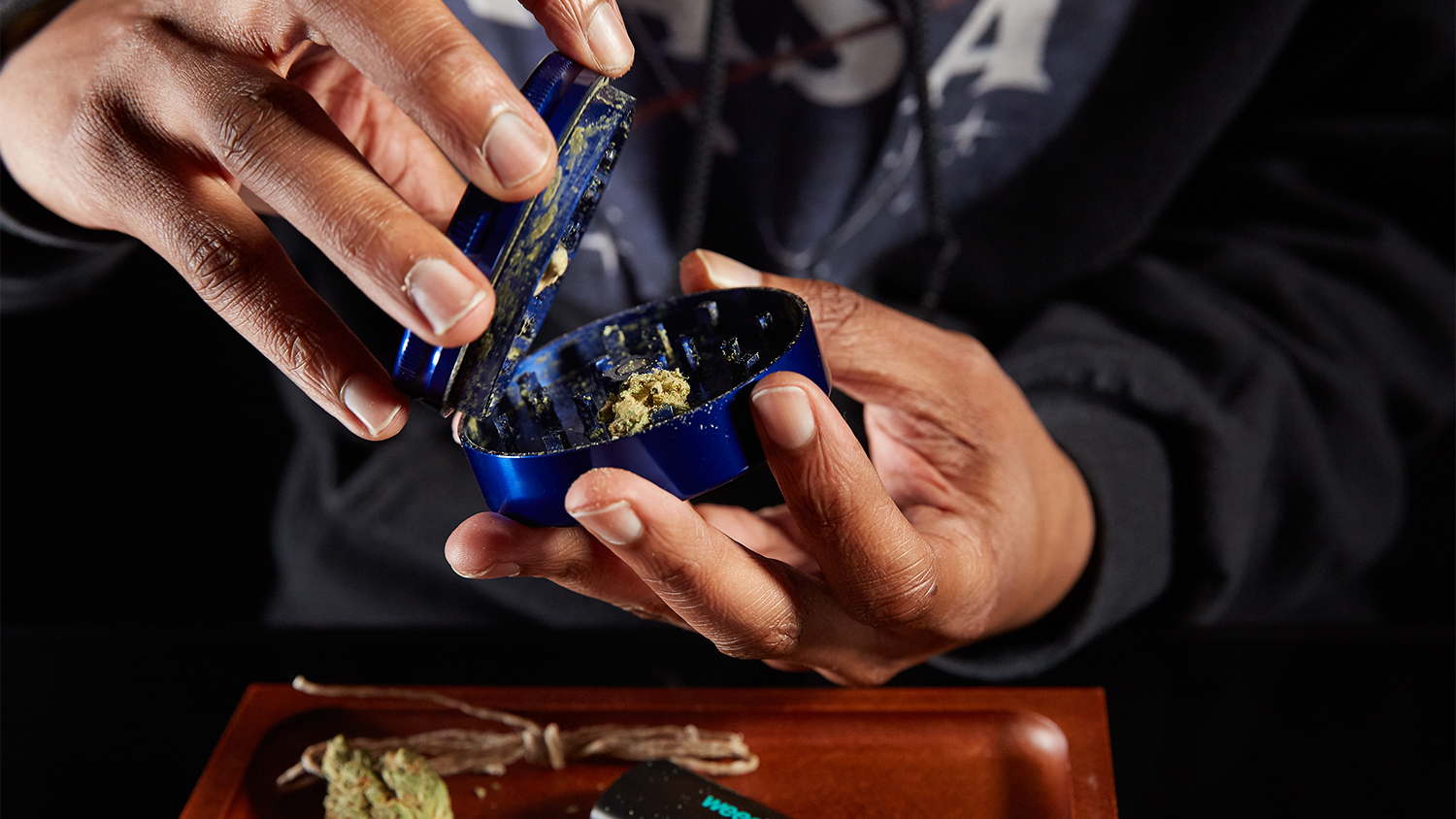 Photo by: Photo by: Gina Coleman/Weedmaps
Image lightbox

The result is smoother hits, better flavor, and less wasted product. It's a simple tool, but the difference is immediate — especially if you've dealt with harsh hits.
What a weed grinder actually does
At its core, a grinder uses interlocking teeth to break cannabis flower apart as you twist it.
This creates:
- More even consistency
- Better airflow when smoking
- Easier packing for bowls or joints
Without grinding, cannabis tends to burn unevenly and can restrict airflow.
Why grinding improves airflow and burn
Grinding bud changes how air moves through your cannabis.
When cannabis is evenly broken down:
- Air flows more freely
- Heat spreads more evenly
- The material burns at a steady rate
This leads to smoother inhales and more efficient use of your flower.
Types of weed grinders
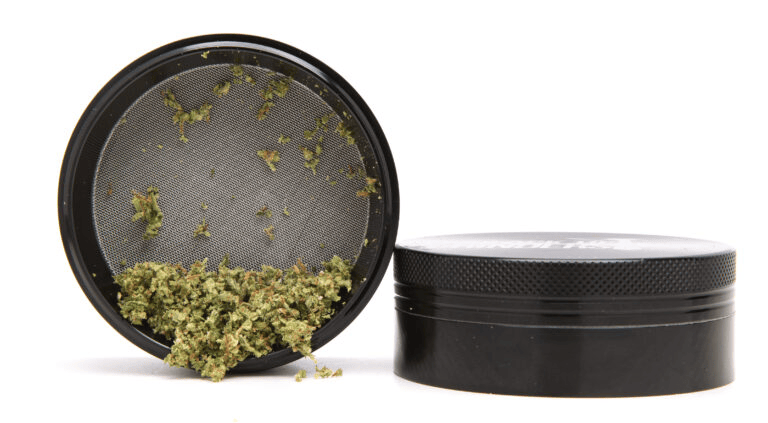
Image lightbox

Grinders come in a few common designs.
- 2-piece grinders: simple, no storage
- 3-piece grinders: include a chamber to collect ground cannabis
- 4-piece grinders: include a kief catcher for fine particles
More pieces add functionality, but also complexity.
Materials and how they affect performance
Grinder material affects durability and feel.
Common options include:
- Metal (aluminum): durable and precise
- Plastic: lightweight but less durable
- Wood: aesthetic but less consistent
Metal grinders are typically preferred for smoother grinding and longer lifespan.
What is kief and why it matters
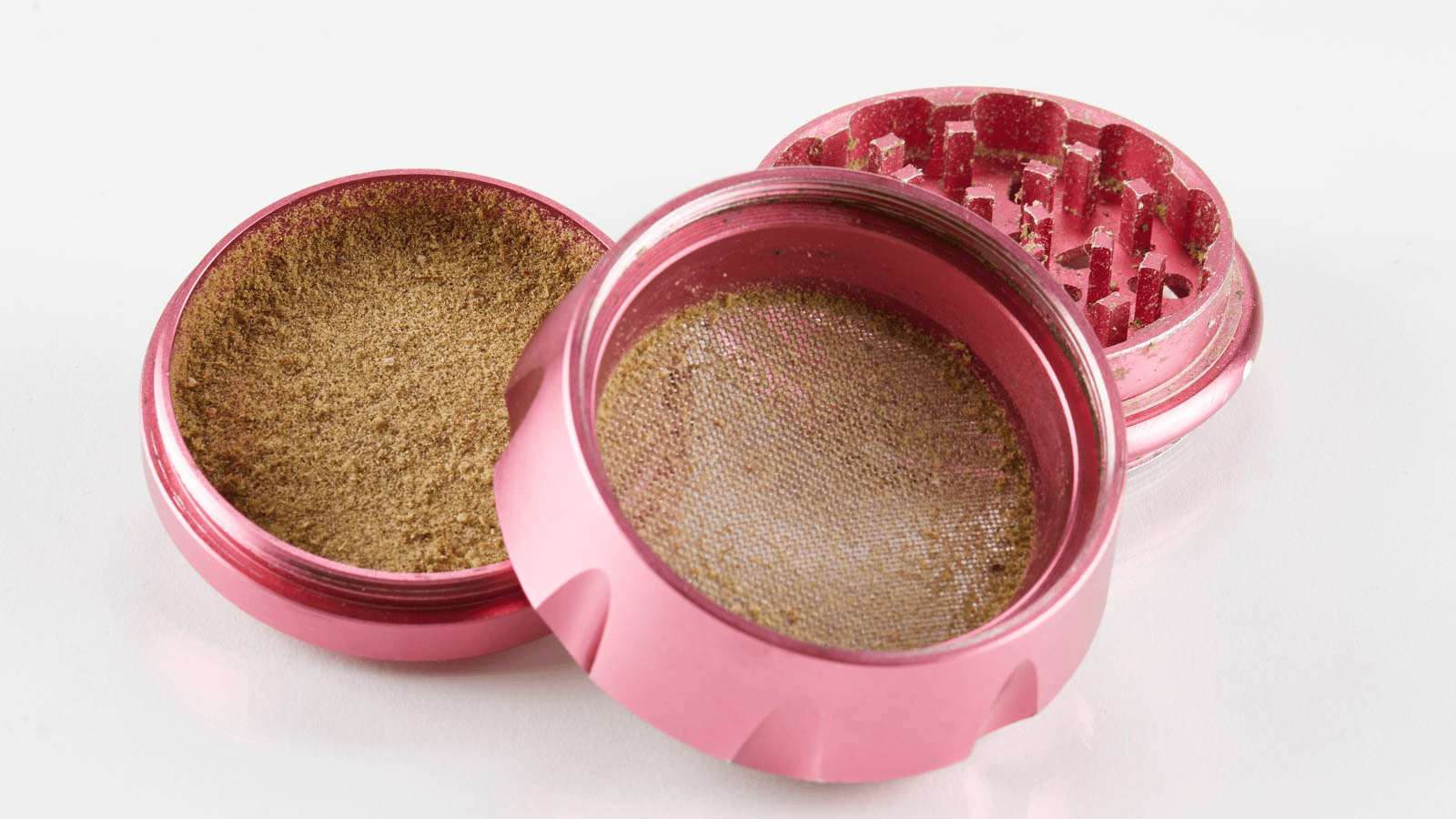
Image lightbox

Some grinders collect kief, a fine powder of trichomes that fall off during grinding.
Kief:
- Contains concentrated cannabinoids
- Can be used separately or added back into flower
- Builds up over time in multi-piece grinders
Not all grinders include this feature, but it's a bonus for frequent users.
How to choose the right grinder
The best grinder depends on how you use cannabis.
For most users, a good option includes:
- Durable material (metal preferred)
- Comfortable size
- Smooth rotation
- Optional kief catcher
Simplicity and consistency matter more than extra features.
The bottom line

A grinder improves how cannabis burns by creating a more even, airflow-friendly texture.
It's a small tool, but it makes a noticeable difference in smoothness, efficiency, and overall experience. For most people, it's one of the easiest upgrades to any smoking setup.
Order weed grinders and accessories for pickup or delivery from a dispensary near you.


