When shopping for cannabis in California this 420, focus on terpene expression, freshness, genetics, and extraction quality across flower, concentrates, vapes, and edibles.
 Photo by: Gina Coleman/Weedmaps
Image lightbox

This 420 buyer's guide to California cannabis products breaks down what to look for across every major category. While 420 remains one of the state's biggest cannabis shopping days, California's best releases don't stop when April ends.
In California, buying cannabis isn't about discovering what's available—it's about navigating one of the most mature legal markets in the world. Legacy cultivation regions in Northern California, elite breeders, and massive dispensary ecosystems in Los Angeles and the Bay Area have created a market where quality is judged by genetics, cultivation practices, freshness, and terpene expression.
That shows up every 420. Premium flower, limited cultivars, and sought-after solventless concentrates all land on menus at once. With that much on the shelf, knowing what actually signals quality is what separates a good pickup from one you'll still be thinking about weeks later.
The same release culture drives California the rest of the year. On July 7, Nature's Lab drops Demon Toad—a limited-run Toad Venom solventless rosin available exclusively through Squintz | Foreign in Winnetka. Just 65 jars will be released with no restock, exactly the kind of small-batch drop that keeps experienced shoppers watching California menus long after 420 has passed.
Trends shaping California's cannabis products
In California, 420 doesn't just bring deals — it reveals what actually matters.
The signals aren't subtle. Strong aroma, clean extraction, and limited-release drops rise to the top fast when menus are stacked and everything's competing for attention.
Terpene-driven cannabis is fully in play. Flavor and smell carry as much weight as potency, and shoppers are quick to notice the difference. At the same time, small-batch releases are doing more of the talking, with growers and hash makers focusing on tighter runs and dialed-in quality.
What gains traction here isn't random. California sets the tone, and what stands out during 420 tends to show up in other markets not long after.
Flower: where California's craft cannabis culture shows up
 Photo by: Gina Coleman/Weedmaps
Image lightbox

Flower is still the center of the California experience — but how it's judged has changed.
THC isn't the headline anymore. What hits first is the aroma. If it doesn't come through when the jar opens, something got lost along the way. Cure, handling, and genetics all show up immediately, and in a market this deep, that's what separates real quality from filler.
California's cultivation scene runs wide — from large-scale operators to legacy farms in the Emerald Triangle dropping limited batches a few times a year. Around 420, all of it lands on menus at once, which makes it one of the few moments where you can see what different growers actually bring to the table.
At the counter, open the jar. Gas, citrus, fruit — whatever the strain is supposed to deliver should show up immediately. If it doesn't, the cure was rushed or the terpenes didn't hold. Brands like Alien Labs, Connected Cannabis Co., and West Coast Cure keep showing up for a reason — they hit that mark consistently, where aroma, flavor, and structure all line up.
Pre-rolls: from convenience to premium formats

Image lightbox

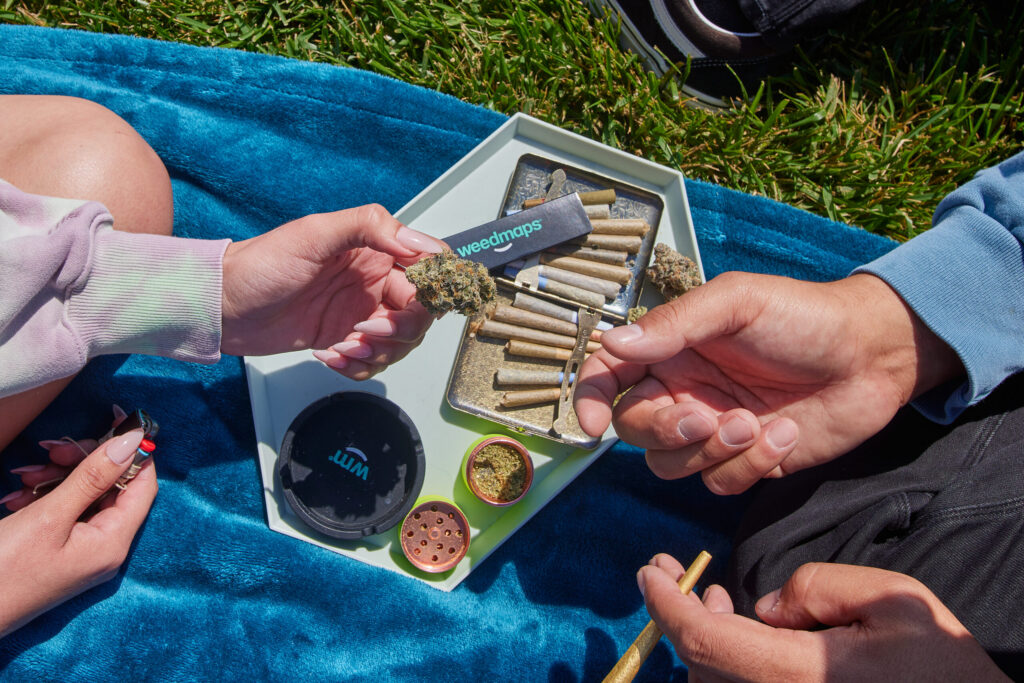
Pre-rolls are still one of the most common 420 purchases, but in California, they've moved well past basic joints.
Menus stack up fast—multi-packs, infused options, and specialty builds designed for group sessions. But not all infused pre-rolls hit the same. The input material shows immediately. Kief and hash infusions tend to preserve the character of the flower—they build on it without covering it up. Oil infusions push potency higher, but low-quality distillate can flatten the flavor just as fast. When the flower is solid, and the infusion actually complements it, the difference is obvious from the first pull.
Hash holes get attention for a reason. A core of concentrate runs through the center of the joint, melting into the flower as it burns. That slows the burn, evens out the smoke, and layers the flavor in a way a standard roll can't match. They're also a quality check—hash holes only work when both inputs are dialed. If the build is off, they burn uneven and waste the concentrate.
At this point, pre-rolls in California aren't about convenience. They're a test of how well flower, concentrate, and construction come together — and the good ones make that clear immediately.
Concentrates: solventless leads the conversation
 Photo by: Gina Coleman/Weedmaps
Image lightbox

If there's one category where California sets the tone, it's concentrates—and solventless is where the conversation starts.
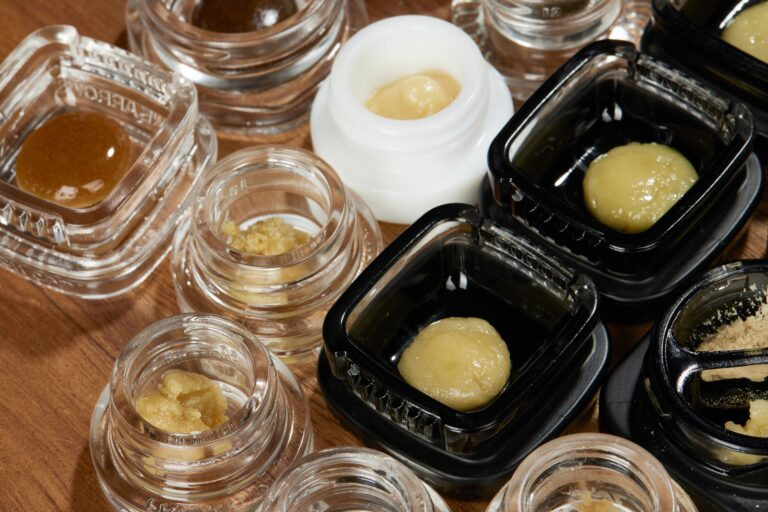
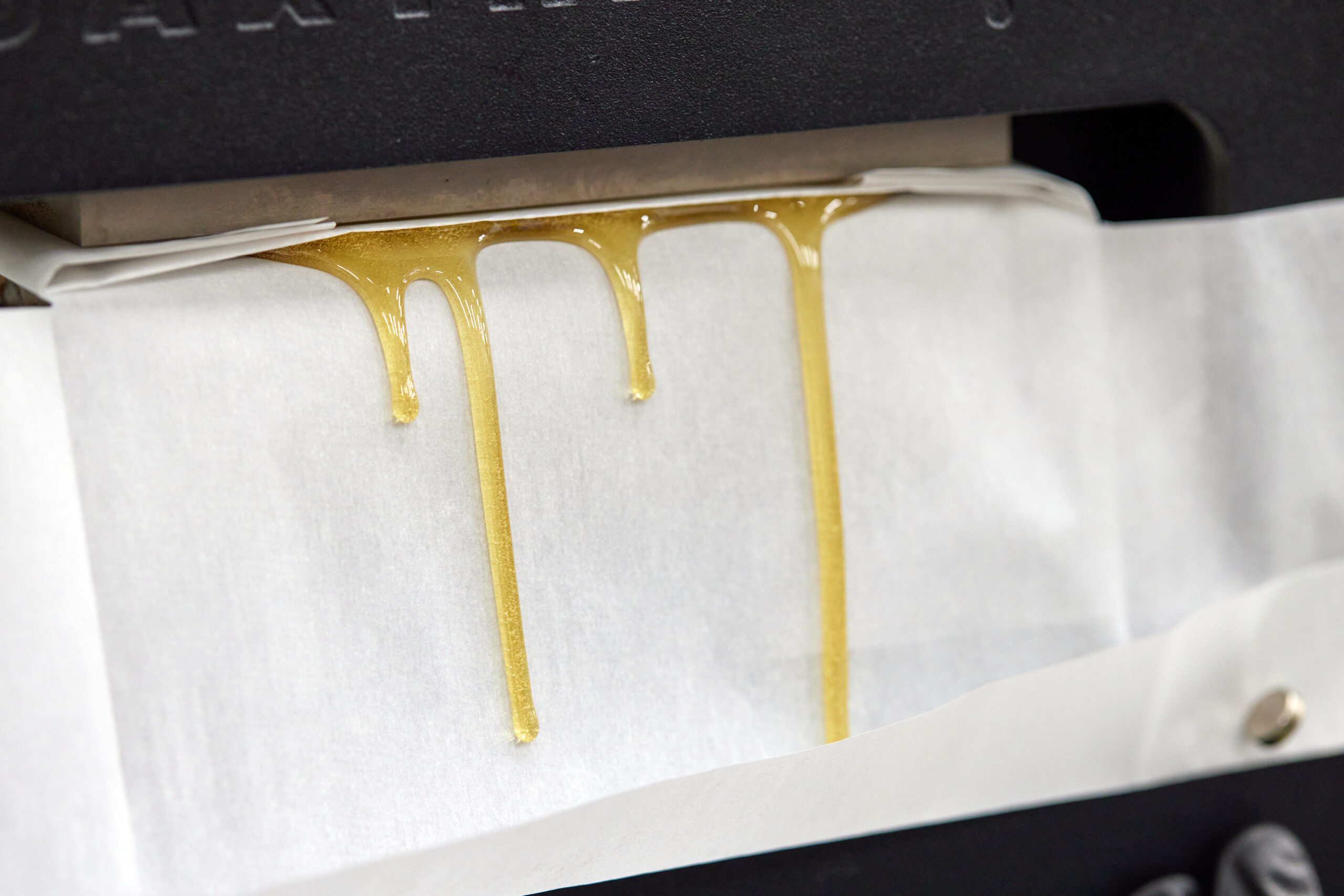
Rosin and ice water hash are made without chemical solvents. Rosin uses low heat and pressure, while ice water hash uses only ice, water, agitation, and filtration. The best jars let the cultivar speak for itself.
Within solventless, the differences matter. Ice water hash stays closest to the source, preserving intact resin glands separated with only ice, water, agitation, and filtration. Fresh press is the least manipulated form of rosin—soft, glossy, and intensely aromatic straight off the press. Cold cure is gently stabilized into a badder or budder that's easier to handle while preserving flavor and consistency. Live rosin starts with fresh frozen flower, helping preserve more of the plant's most volatile terpenes before they're lost during drying and curing.
Quality shows up long before the first dab. Great solventless smells true to the strain, looks appropriate for its style, and shows careful handling from production through storage. A concentrate that has separated into a pool of terpenes and a dry mass, smells muted instead of strain-true, tastes muddy, or shows an unusually green color may point to issues with the starting material or processing rather than age alone.
Wash quality matters, too. Ice water hash is collected in successive washes, and the earliest pulls generally contain the ripest, most intact trichome heads with the best chance at full melt. Later washes typically collect more broken trichomes and fine plant material, making them better candidates for pressing into rosin or infusion. Wash number provides useful context when it's available, but it's only one indicator of quality.
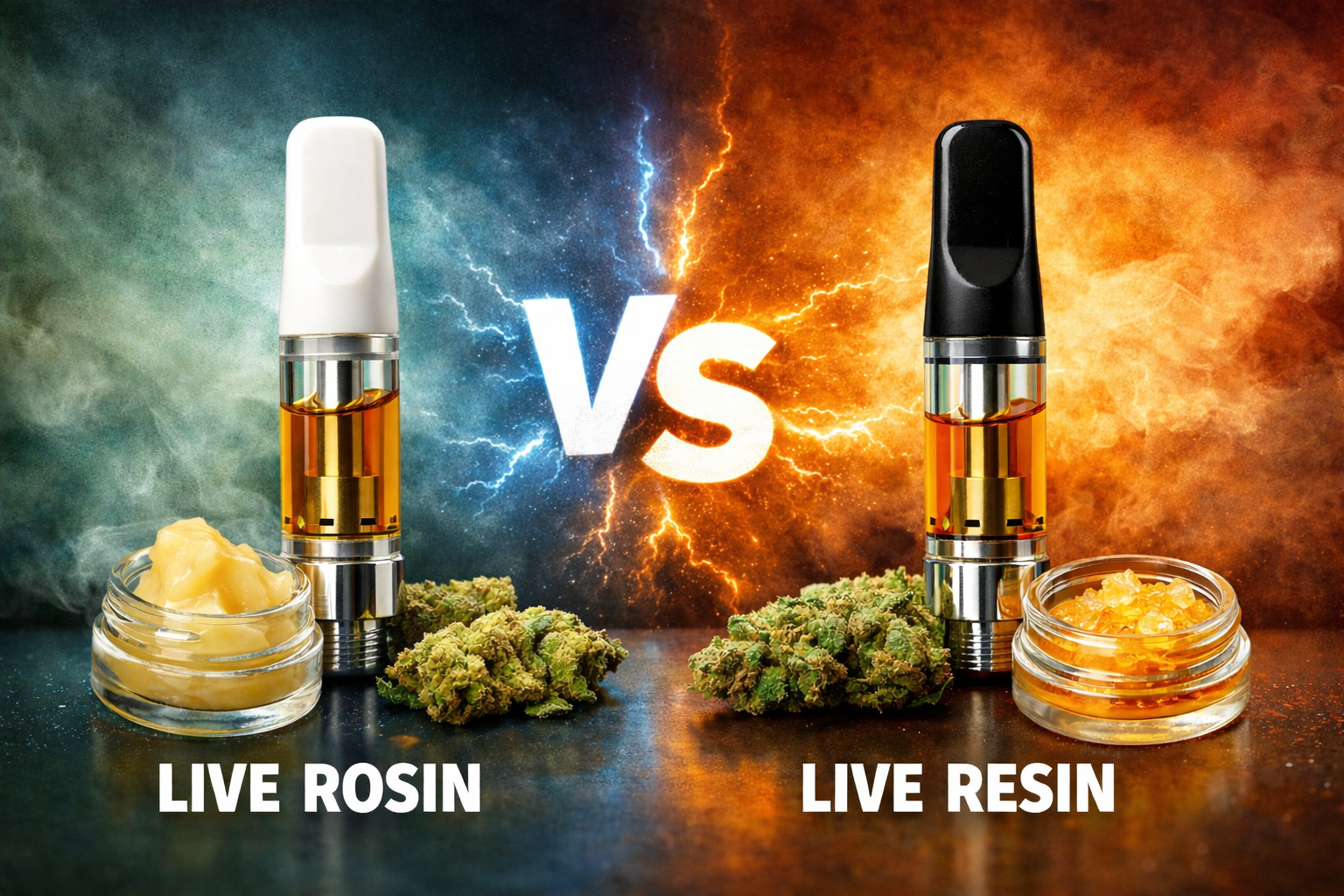
Solvent-based extracts still earn their place. Live resin remains one of the best values on the shelf, using fresh frozen flower to preserve far more of the plant's terpene profile than distillate while delivering consistent flavor at a lower price than premium solventless.
But California's hierarchy is hard to miss. Solventless sits at the top of the craft market, and 420 is when many of the state's most sought-after drops finally hit dispensary shelves.
Vapes: flavor-focused cartridges dominate

Image lightbox

Vapes are everywhere in California, but the category has moved well past distillate.
The real variable is the oil. Distillate is stripped down and consistent, but most of the strain character is gone. Live resin is still a hydrocarbon extract, but because it starts from fresh frozen flower, it holds onto significantly more of the original terpene profile. Live rosin takes it further—solventless extraction in cartridge form, with cleaner flavor and a higher price point to match.
For most people, live resin is the practical upgrade. Live rosin is where you go when flavor matters more than cost. Raw Garden leans into live resin and terpene expression. Kurvana ASCND focuses on refined cartridge design. Stiiizy covers consistency and statewide availability.
Different lanes, different priorities—knowing that makes the decision at the counter a lot easier.
Edibles: a diverse and evolving category
 Photo by: Gina Coleman/Weedmaps
Image lightbox

Edibles move on a different timeline, and that's what matters most before you buy.
Onset is slower — usually 45 minutes to two hours — and the effects last longer than anything you inhale. That makes dosing the main variable. Five milligrams is a clean starting point. Most experienced consumers land somewhere between 10 and 20 mg. Pushing past that without a baseline is where things tend to go sideways.
Gummies dominate because they're consistent and easy to manage. But the better move is to look past the THC number. Products that include a fuller cannabinoid profile or balance THC with CBD tend to land more evenly. Kiva's Camino line is dialed on flavor and dosing. WYLD keeps it simple — reliable texture, familiar flavors, no overpromising.
Beverages are worth a look if you haven't tried them. Nanoemulsion formulas absorb faster — often hitting in 15 to 30 minutes — which makes them easier to pace across a longer session. 420 is one of the better times to try one and see how it fits into the mix.
Shopping smarter during 420 in California

420 in California isn't about grabbing whatever's on sale — it's when the best drops of the year hit menus all at once.
Instead of chasing discounts, look for what actually stands out. Limited flower releases, fresh solventless drops, and brands that consistently deliver on flavor tend to separate themselves quickly, especially in a market this competitive. Menus get deep fast, and not everything on them is worth your time. The move is to compare — check a couple of dispensaries, see what overlaps, and pay attention to what's actually moving versus what's just sitting there.
If you're ready to start browsing, you can explore nearby dispensaries on Weedmaps and see what's available for pickup or delivery.