- Citrus (50% of reported flavors)
- Pineapple (50% of reported flavors)
Tropicali is another one of those names that picked up more than one genetic story along the way.
Origin 1: The older Tropicali, also known as Tropicali Kush or Tropicali OG, is generally associated with Northern California cannabis circles, but its breeder and exact parentage remain unconfirmed. This version is commonly described as a sativa-leaning hybrid with a sharp citrus profile that runs through sour fruit, orange, tropical sweetness, and light floral notes.
Origin 2: A separate Tropicali circulating in more recent commercial markets is described as a cross of GSC × Tangie. That pairing pushes the profile straight toward citrus country, mixing Tangie's orange-heavy tang with sweet cookie notes, tropical fruit, and a little earthy depth underneath.
Smokers who reach for Tropicali tend to describe a bright, upbeat ride with an energetic and cerebral edge. Happy, focused, creative, and sociable reports show up often, while a softer layer of relaxation keeps the experience from feeling completely pedal-down.
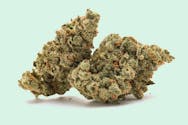
Flavor is where both versions find common ground. Expect citrus first, especially orange and lemon, followed by sour tropical fruit, floral sweetness, and enough earthy or cookie-like depth to keep the profile from tasting one-note.
Tropicali's grow traits depend on which version is in the garden. The older Tropicali/Tropicali Kush line has no firmly documented parentage, so cultivation details are best treated as general reports rather than locked breeder specs. It is typically described as a sativa-leaning plant with moderate stretch, a medium frame, and enough vertical growth to benefit from early training and canopy control.
The GSC × Tangie version should lean toward a more vigorous, branchy structure with noticeable stretch once flowering begins. Good airflow, topping or low-stress training, and keeping the canopy opened up can help manage height and light penetration. Flowering time is generally reported around 8–10 weeks, though exact timing can vary by cut and phenotype.