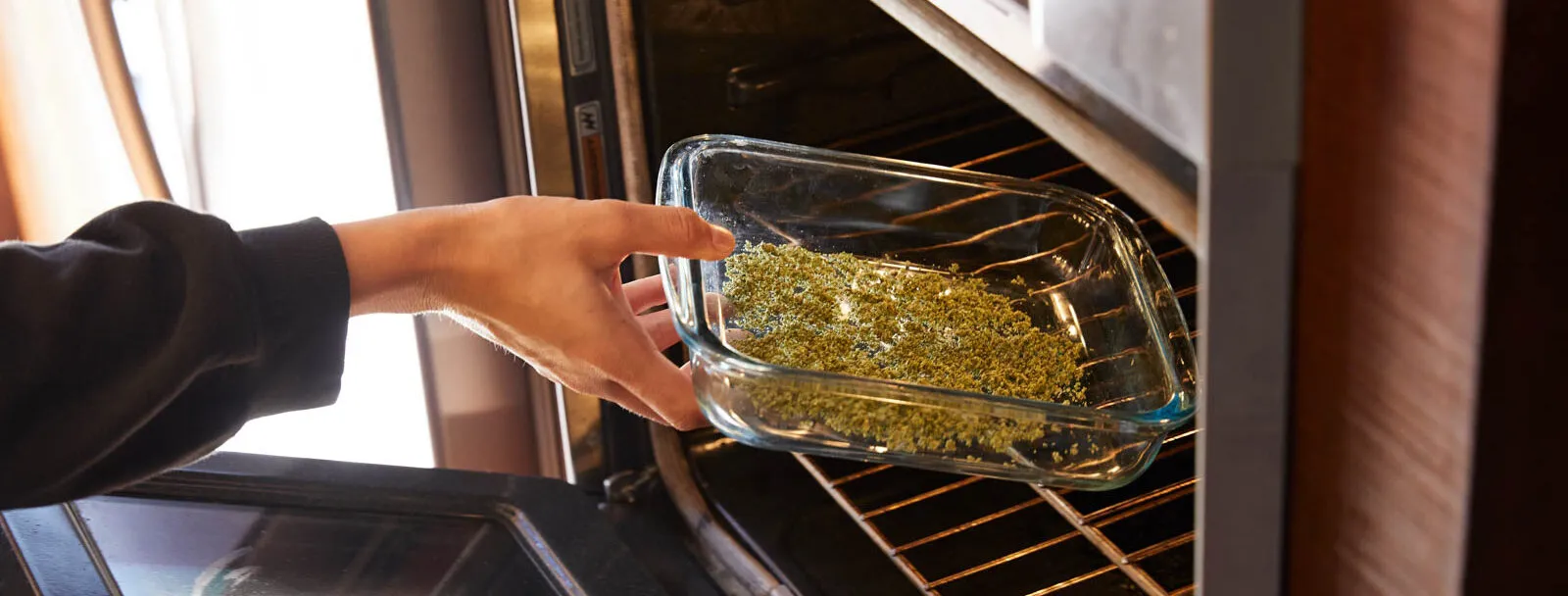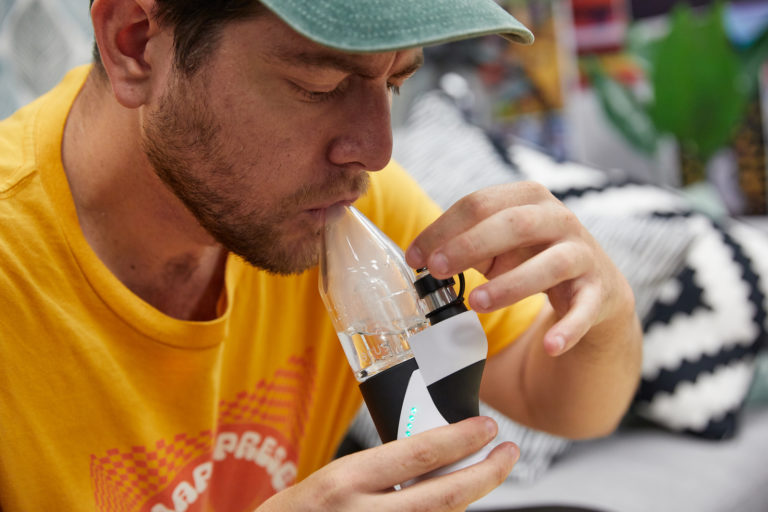
If you've spent any real time with concentrates, live rosin, full melt, or six-star hash, you already know how much the starting material matters. You've probably also learned to ignore edibles. Inconsistent onset, unpredictable effects, no connection to the cultivar you actually cared about. For most concentrate consumers, edibles have been a category worth skipping.
Ampersand is the reason to reconsider.
What is Ampersand?
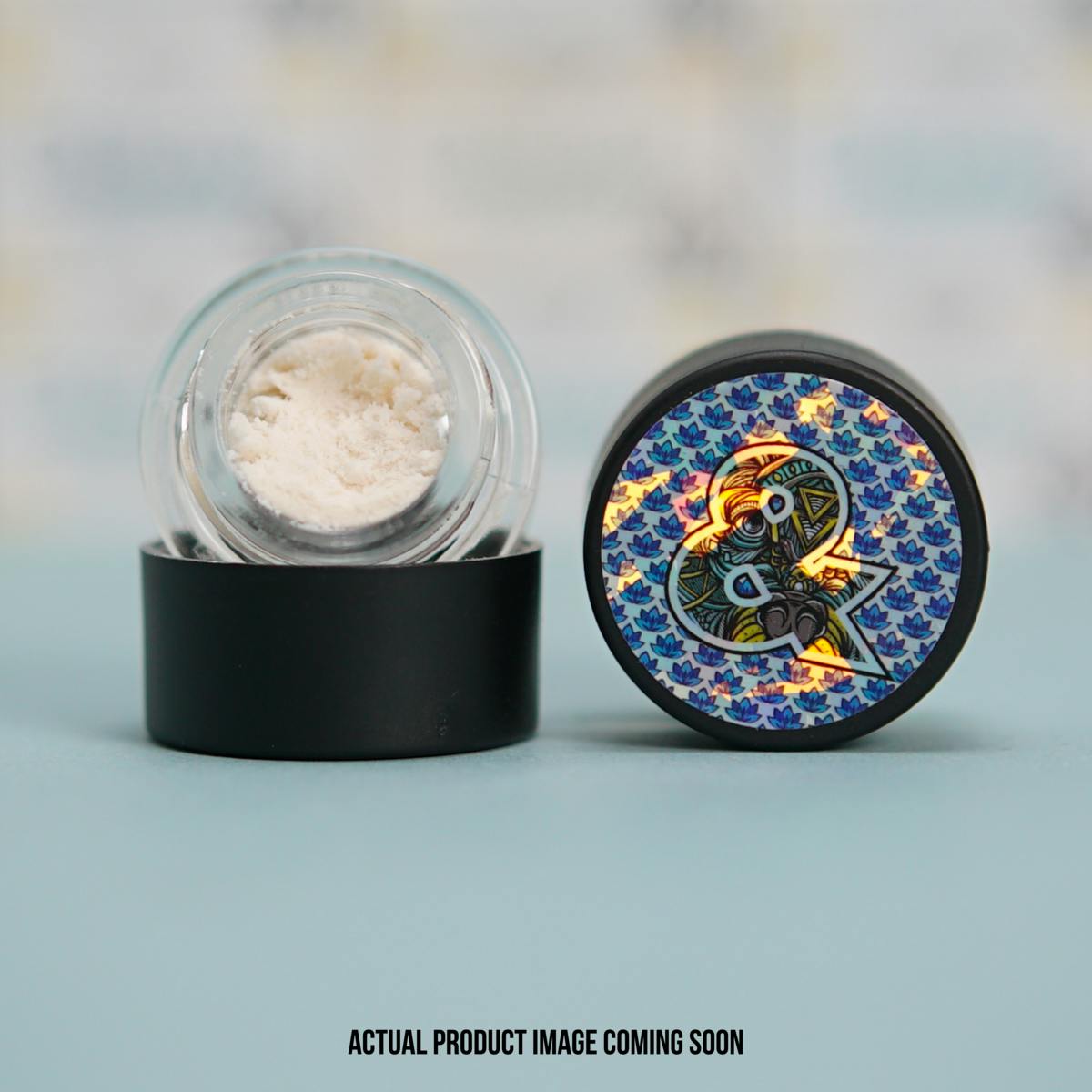
Ampersand is an oral concentrate that can be dissolved in your mouth or mixed into beverages, making it a unique experience in the world of concentrates.

Image lightbox

Blue River's plant-based Ampersand is crafted from a live rosin or ice water hash base, bringing solventless principles into a format that has historically been dominated by distillate, standardized dosing, and highly refined extracts. It doesn't look much like a traditional edible — and it doesn't perform like one either.
For experienced concentrate consumers who've largely ignored edibles, it's one of the more interesting products currently challenging that assumption.
What makes an oral concentrate different from an edible
Most commercially available edibles are made with distillate or CO2 oil. Flavorless, odorless, stripped of much of the terpene profile that made the source material worth caring about in the first place. Manufacturers can formulate consistent products that way, but consistency and cultivar expression are not the same thing.
If you've ever eaten a gummy that tasted fine but hit like a mystery box, you've already experienced the difference.
Plant-based oral concentrates grounded in a solventless extract base work differently. The starting material remains full-spectrum and solventless, preserving a broader range of cannabinoids and terpenes from the source plant rather than rebuilding the experience later through formulation.
The format matters too.
Instead of being baked into a brownie or suspended in a gummy matrix, many oral concentrates are designed to dissolve directly on the tongue or blend seamlessly into drinks — even water-based ones. That changes how cannabinoids enter the body and helps explain why experienced consumers often describe the experience differently from traditional edibles.
The bioavailability argument
Here's what most edible conversations skip over: bioavailability.
When you smoke or dab, cannabinoids enter the bloodstream through the lungs. Traditional edibles follow a very different route, passing through the digestive system and liver before reaching circulation. During that process, THC is converted into 11-hydroxy-THC, the metabolite largely responsible for the distinct effects many consumers associate with edibles.
Researchers generally estimate oral cannabis bioavailability in the single-digit to low-double-digit percentage range, while inhalation tends to produce higher absorption rates. Those limitations have pushed formulators to explore new delivery methods designed to improve cannabinoid uptake.
Many plant-based oral concentrates are built around multi-pathway absorption. Instead of relying exclusively on digestion, their formulations are designed to leverage a combination of sublingual absorption, digestive uptake, and lipid-assisted transport. Fatty acids often play a role because cannabinoids are lipophilic compounds that absorb more efficiently when fats are present.
The goal isn't to mimic smoking. It's to build a more efficient oral delivery system that gets more out of the cannabinoids already present in the formulation.
What Ampersand actually is
The concept of converting cannabis oil into a stable, dissolvable format has been around since at least 2016, when cannabis legend Ed Rosenthal and co-inventor Ross M. Franklin patented a method for powderizing CO2-extracted oil — a solvent-based fix for the separation problem plaguing early cannabis beverages. Blue River founder Tony Verzura kept the logic, but swapped the foundation: live rosin or ice water hash instead of solvent-extracted oil, with solventless processing from start to finish.

Image lightbox

Blue River founder Tony Verzura took that idea somewhere it hadn't been: a live rosin or ice water hash base, built for a consumer who cares what's actually inside the product.
Ampersand combines full-spectrum cannabis extract with fatty acids, vitamins, and electrolytes — formulation components designed to support cannabinoid absorption while preserving the terpene profile and cultivar character that highly refined THC formulations typically leave behind. It dissolves on the tongue in roughly two minutes, and the experience lands somewhere between a concentrate and an edible without behaving exactly like either.
That difference isn't just about onset.
Because absorption occurs across multiple pathways at different speeds, the experience layers in rather than arriving all at once, a format that can feel fundamentally different from both inhalation and conventional edibles. It's also water-soluble, which means it disperses cleanly into beverages without the separation problem Rosenthal and Franklin originally identified — solved here through an entirely solventless process.
Dosing ranges from 20mg to 100mg per gram across multiple formulations and flavor profiles, built around delivery mechanics rather than just a bigger THC number.
Ampersand vs. everything else
The edibles market is crowded with gummies, chocolates, beverages, capsules, tinctures, and sublingual strips — every imaginable form factor stacked on shelves, most of them running the same distillate foundation underneath. Different shape, same core.

Image lightbox

That's the problem Ampersand solves.
Live rosin costs more than distillate. Full-spectrum inputs demand more care than isolate. Formulating around absorption mechanics instead of raw THC content takes real development work. Most brands don't bother — and it shows in the product.
Ampersand bothers. That's the difference.
What it delivers is what concentrate consumers have been asking for everywhere else: source integrity, full-spectrum composition, cultivar expression, and a product that actually connects back to the plant it came from. Not a reconstruction. Not a distillate with terpenes added back in. The real thing, in a format that travels differently through the body.
Why the category matters
The best rosin on the market has traditionally been limited to inhalable formats. Plant-based oral concentrates challenge that assumption.

Image lightbox

By combining solventless starting material with absorption-focused formulation, Ampersand isn't just bridging two categories that rarely overlap — it's building the bridge from scratch, because nobody else has.
Concentrate culture is starting to influence categories beyond dabs, vape carts, and hash jars. Consumers who spent years demanding better flower, better rosin, and better extraction methods are bringing those same standards everywhere else — and the market is beginning to answer.
Plant-based oral concentrates are one result of that shift.
For dispensaries, that means a differentiated product that speaks directly to experienced consumers who've written edibles off entirely. For concentrate consumers, it's another option built around the same principles they've trusted all along.
Find it. Try it at the right dose. Then tell us edibles have never worked for you.
Find Blue River Ampersand at participating retailers or learn more through Blue River.