 Photo by: Gina Coleman/Weedmaps
Image lightbox

A blinker is slang for one long, continuous pull on a vape until the device's light starts blinking and the power cuts off. Despite the name, a blinker isn't a special type of vape or a brand. It's the technique itself.
The blinking light is only a cutoff signal. A pull long enough to trigger it can deliver more vapor than a shorter hit, but it also keeps the heating element running longer, which makes the size and heat of the draw more important than the flash at the end.
Blinker vape meaning
Hitting a blinker means taking one continuous pull from a vape until its LED light starts blinking and the device cuts the power. The blinking light gives the technique its name.
You'll usually hear the term in reference to weed vape pens, carts, and disposable vapes. The device itself isn't a “blinker.” Instead, the word describes the action of taking a long enough pull to trigger the vape's automatic cutoff.
You may also hear someone say they “hit a blinker” or “took a blinker.” Terms like “weed blinker” and “blinker hit” refer to the same basic technique. There is also an unrelated disposable vape brand called Blinkers, but that isn't what people usually mean when they use the term as cannabis slang.
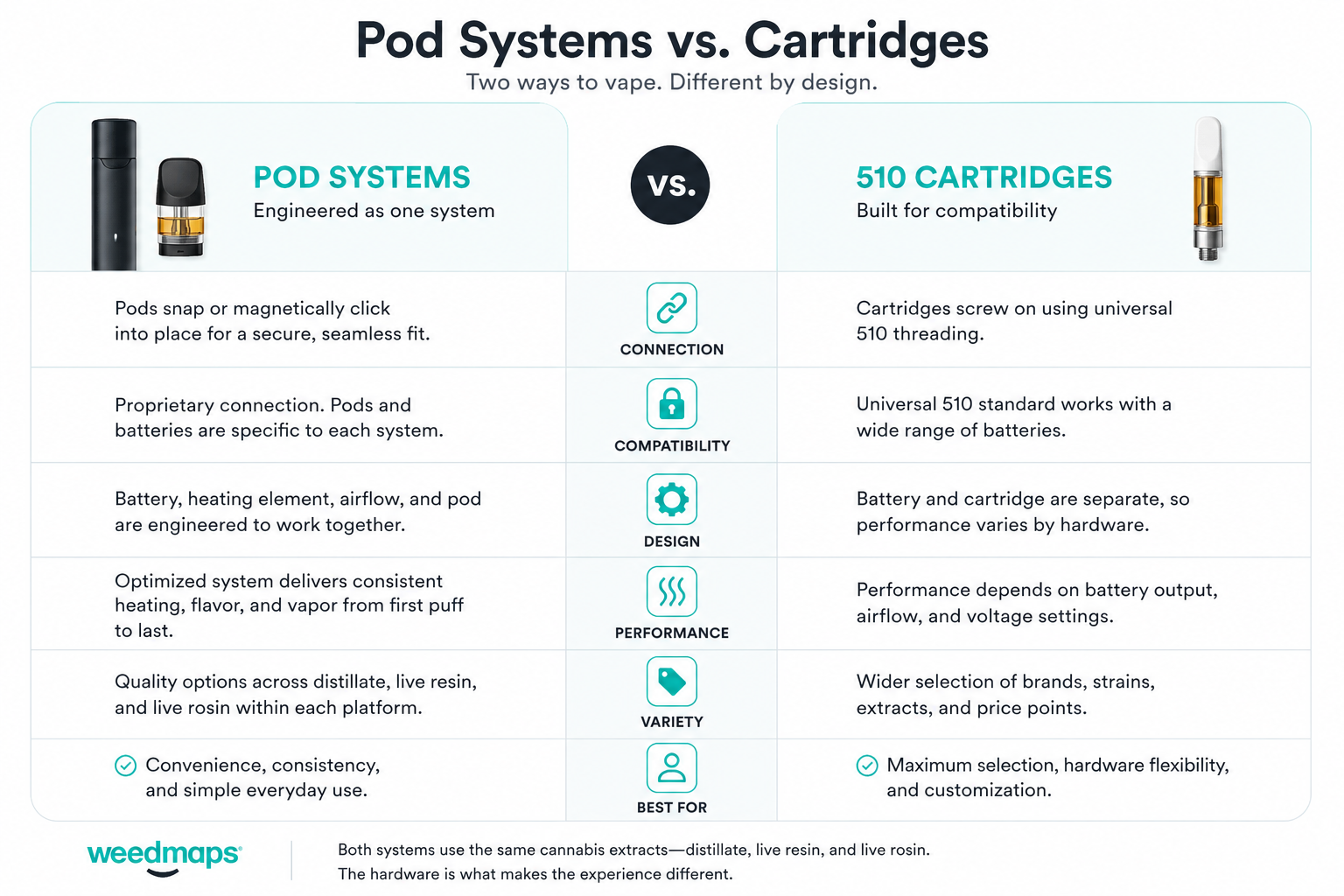
If the hardware itself is new to you, our guide to using a weed vape pen covers the basics, from how vape pens work to taking your first pull.
What the blinking light signals
Many battery-powered vape pens use an automatic puff timer to limit how long the device stays active during a single pull. When you inhale, the battery powers the heating element. Once the draw reaches the device's time limit, the vape cuts the power and the LED blinks. The cutoff helps limit overheating and keeps the coil from firing indefinitely.
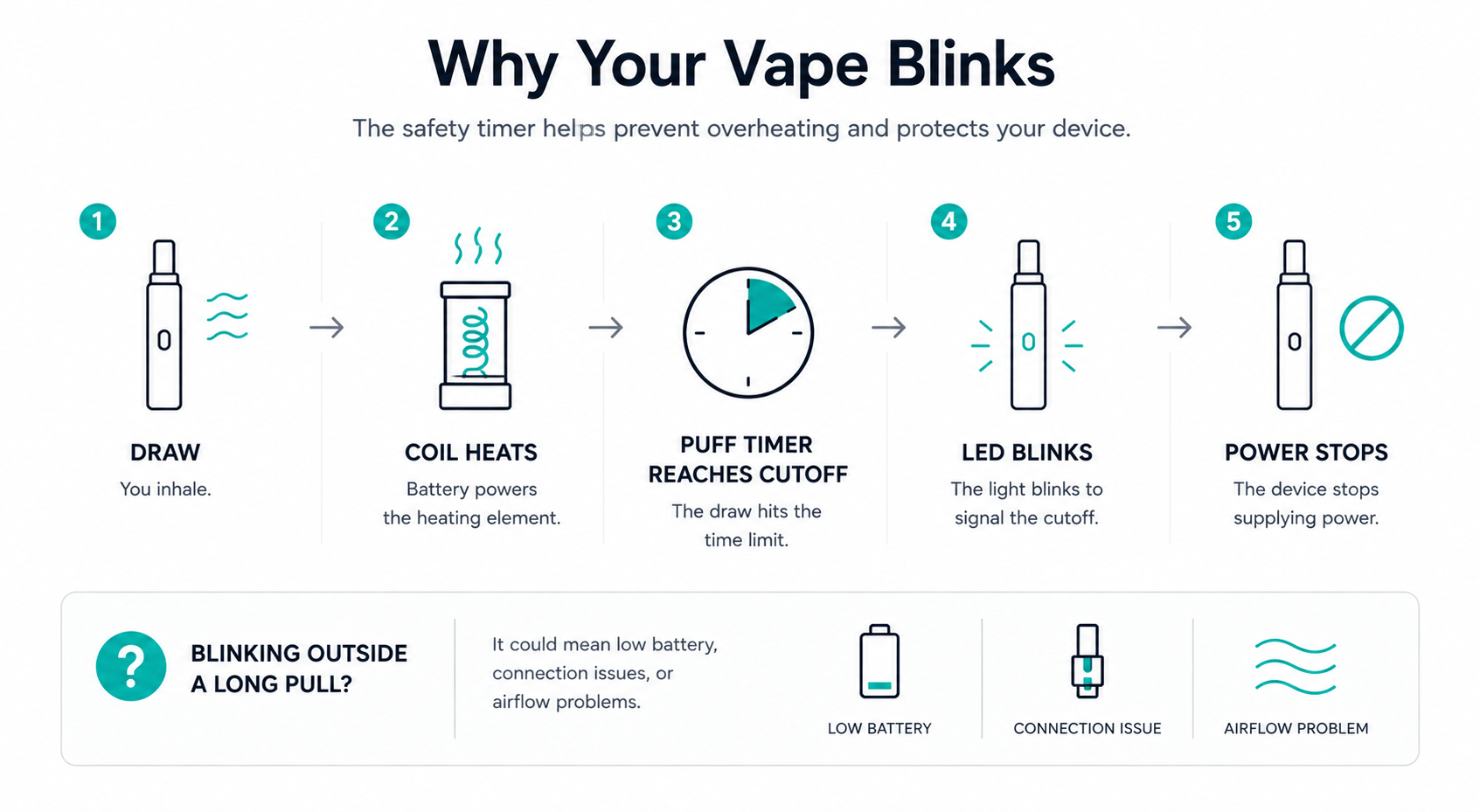
Image lightbox

If the light starts blinking at the end of a long, continuous pull, the puff timer has reached its cutoff. The exact timing varies by device, so there isn't one standard number of seconds that applies to every vape.
A blinking light outside of a long pull can signal something else. Depending on the device, it may indicate a low battery, connection issue, short circuit, or airflow problem rather than the automatic puff cutoff.
Blinker length in seconds
Eight and ten seconds are both used in current cannabis vape hardware. One ABX battery cuts power after eight seconds, while the ACTIVE Seed battery deactivates after a ten-second draw. Other devices allow longer pulls, so there is no universal blinker length.
That means questions like “how long is a blinker on a cart?” or “how many seconds is a blinker on a disposable?” don't have one exact answer. Instead of watching the clock, watch the device. A blinker ends when the vape reaches its built-in cutoff, stops supplying power, and flashes its light.
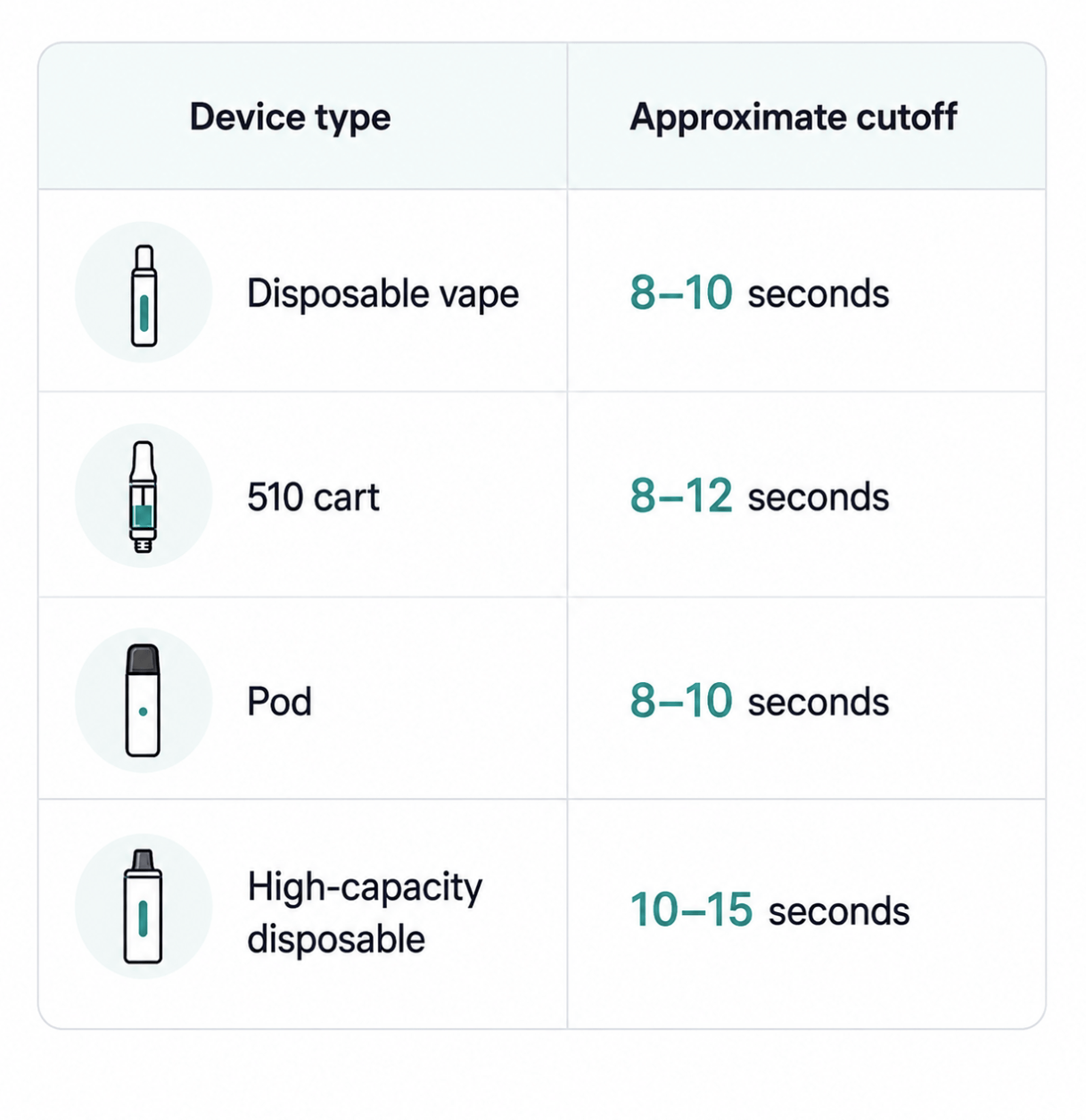
Image lightbox

Why people chase the cutoff
People hit blinkers for two obvious reasons: a bigger cloud and the belief that a bigger hit means a bigger high. Social media turned the blinking cutoff into a visible finish line, making the technique easy to film, compare, and treat like a challenge.
The trend landed in a large young-adult vape audience. Among adults who currently used cannabis, one study found that vaping was most common among those ages 18–25, at 29.8%. Separate national data show that past-month cannabis use among young adults nearly doubled from 2005 to 2023. Those numbers do not establish who coined “blinker,” but they show the size of the audience that carried the term.
The audience grew, but the blinking light still said nothing about dose. That comes down to the pull itself and the hardware producing it.
Does a blinker get you higher?
A blinker can feel stronger than a shorter pull from the same vape because it may produce more aerosol and deliver more THC. Reaching the automatic cutoff does not create a special boost, however, and draw length alone cannot tell you the dose. Oil potency, voltage, airflow, coil design, inhalation volume, and tolerance all shape the result.
THC moves into the bloodstream quickly when cannabis is inhaled. Research shows blood THC levels can peak within about three to ten minutes. Fast absorption does not mean a larger pull cannot deliver more THC. In controlled research on cannabis puff volume, larger puffs produced dose-related increases in plasma THC and reported effects.
Holding the vapor in after the pull is a separate behavior. Controlled research on breath-holding and cannabis found little evidence that holding smoke for 10 or 20 seconds produced stronger reported effects than exhaling immediately. A separate study found that a 20-second hold increased carbon monoxide absorption without consistently intensifying the reported marijuana effect.
Both breath-hold studies involved smoked cannabis rather than vapes, so they cannot answer every question about modern cartridges. They do show why draw length and breath-hold time should not be treated as the same thing. A blinker may feel stronger because it can deliver a larger hit. Holding that hit afterward has not shown the same reliable payoff.
Heat, oil, and hardware
A long pull keeps the heating element active until the vape reaches its cutoff. Whether that produces excessive heat depends on the device, voltage, airflow, oil, and coil, but higher temperatures can change the aerosol and the compounds it contains.
Research on nicotine-style vape liquids shows that propylene glycol and vegetable glycerin can break down and generate toxic compounds, including formaldehyde, acetaldehyde, and acrolein. Those findings do not apply cleanly to every cannabis oil because cartridge formulations differ.
Cannabis-specific evidence still gives consumers a reason to keep the heat down. Researchers studying emissions from heated terpenoids identified acrolein, methacrolein, and other degradation products. A broader review of cannabis concentrate vaping chemistry found that THC and terpenes can produce compounds including benzene, methacrolein, and isoprene, with emissions rising sharply at higher voltage in the tested hardware.
Heat can also affect the hardware itself. Researchers have identified nickel, chromium, copper, lead, and other materials in cartridge heating components. A cannabis-specific aerosol study found that chromium, copper, nickel, and smaller amounts of other metals migrated into cannabis oil and inhaled vapor.
Research on nicotine vapes also found that metal concentrations can rise with power and puff count. Cannabis cartridges are not identical to nicotine vapes, so those results should not be treated as a direct blinker test. They do reinforce one basic concern: running a vape to its cutoff keeps the oil and hardware under heat longer than stopping sooner.
Greening out after a blinker
Because a blinker may deliver more THC than a shorter pull, it can raise the chance of consuming more than you intended. “Greening out” is the slang term for the unpleasant experience that can follow consuming too much cannabis.
The experience varies from person to person. According to NIDA, large amounts of cannabis and products with high concentrations of THC can be associated with anxiety, fear, panic, an elevated heart rate, and other unwanted effects. People with less experience using cannabis may be more sensitive to them.
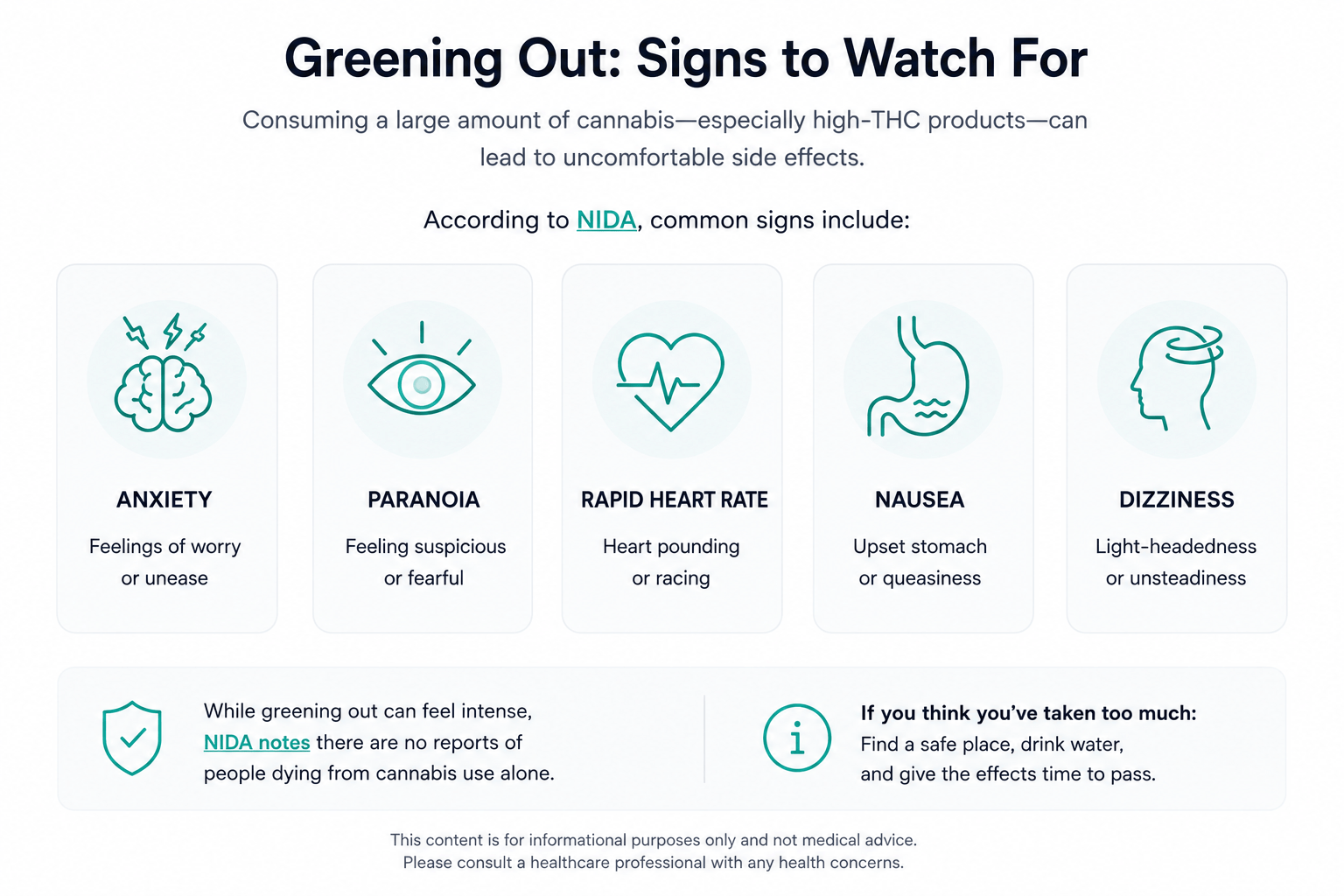
Image lightbox

A fatal overdose caused solely by cannabis is considered unlikely, but that does not make every reaction safe to ignore. Chest pain, breathing trouble, seizures, loss of consciousness, or an inability to wake someone require emergency care.
If you've consumed more cannabis than intended, stop consuming, move somewhere calm, and take small sips of water if you are alert and swallowing normally. Our guide to what to do if you green out covers what helps, what does not, and when to call for medical care.
Cannabis and nicotine blinkers
“Blinker” usually refers to cannabis vaping, but the term describes the action, not what's inside the vape. You can also hit a blinker on a nicotine vape if the device has an automatic cutoff.
The difference is what you're consuming. Greening out is associated with too much THC. With nicotine, overconsumption is often described as feeling “nic sick.” The American Lung Association describes nicotine overconsumption as causing symptoms such as nausea, vomiting, dizziness, sweating, and an increased heart rate.
A better way to hit your vape
You don't need to push your vape to its cutoff. Take a shorter, controlled pull, then give the effects time to show up before deciding whether to take another. Because inhaled THC reaches peak blood levels within minutes, stacking pulls before the first one lands makes the dose harder to judge.
Give the coil time to cool between pulls. If your battery has adjustable voltage or temperature settings, a lower setting can also keep the vapor cooler and protect the flavor.
If you're looking for an experience that lasts longer, vaping isn't your only option. Edibles work differently from inhaled cannabis and have a longer onset and duration. Our cannabis edibles guide breaks down what to expect before trying them.
Frequently asked questions
How long is a blinker (in seconds)?
Check the device rather than relying on one universal number. Current cannabis batteries include eight- and ten-second cutoffs, while other models run longer.
Does hitting a blinker get you higher?
A longer pull may deliver more vapor and THC, but there is no bonus attached to reaching the cutoff. The oil, hardware, settings, airflow, and inhalation still determine the dose.
Are blinkers bad for you?
The concerns come from heat and dose, not the slang. Keeping the coil active longer may increase thermal degradation, while a larger hit can make overconsumption more likely.
Can hitting a blinker damage your vape?
Repeated cutoff-length pulls may put additional stress on the coil and battery, although research has not established exactly how much they shorten a device's lifespan.
What does hitting a blinker mean?
It means pulling continuously until the vape reaches its automatic cutoff and the light flashes.
Why does my vape blink?
At the end of a long draw, the flash usually marks the automatic cutoff. At other times, it may flag a low battery, poor connection, short circuit, or another hardware problem.
Can you hit a blinker on a nicotine vape?
The slang can apply to a nicotine vape whenever its puff timer cuts the power and flashes the light.
Can you do a blinker on a disposable vape?
If the disposable has an automatic puff timer, a long enough draw can trigger the same blinking cutoff.
Are blinkers worth it?
All the light confirms is that the vape reached its cutoff. The longer pull may deliver a larger dose, but the cutoff carries no bonus THC and adds no special effect. Anyone trying to control dose, heat, and flavor is better off taking a shorter pull, then waiting before deciding whether to go back for another.
Ready to shop? Find dispensaries near you and browse licensed cannabis products available in your area.