Greening out is the informal term people use when they've consumed more cannabis than their body is comfortable handling.
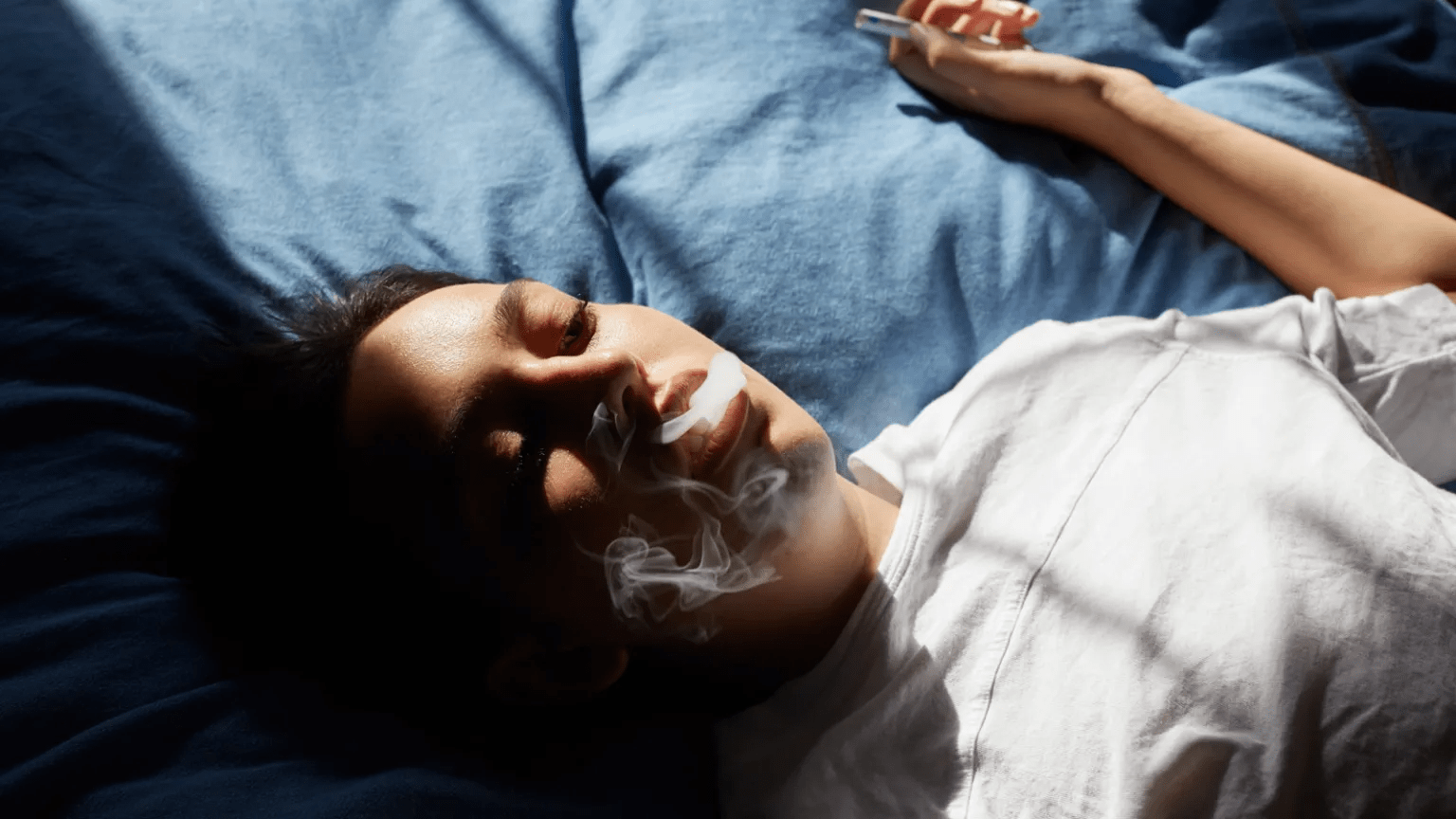 Photo by: Gina Coleman/Weedmaps
Image lightbox

The symptoms can hit hard: nausea, dizziness, sweating, anxiety, confusion, or a heart that suddenly feels far too loud. Most episodes fade as the effects of THC wear off. A fatal overdose caused solely by cannabis is considered unlikely, but that does not make every bad reaction harmless.
If you or someone nearby is greening out, stop consuming, get somewhere calm, and watch for signs that this has moved beyond an unpleasant high. This guide covers what greening out feels like, how long it can last, what helps, and when to call for medical care.
Key takeaways
- Greening out is an uncomfortable reaction to consuming more cannabis than your body can tolerate
- Nausea, dizziness, sweating, anxiety, confusion, and a rapid heartbeat are common signs
- Stop consuming, move somewhere calm, and breathe slowly
- Edibles are easy to overdo because the effects arrive late and last longer
- Dose, potency, tolerance, consumption method, and alcohol all affect the risk
- Call 911 if someone cannot be awakened, has trouble breathing, experiences chest pain or a seizure, or loses consciousness
What is greening out?
Greening out is an informal name for cannabis overconsumption, sometimes described more simply as “getting too high.” It is not a diagnosis and it does not come with a universal THC cutoff. A dose that feels easy to one person can overwhelm someone else.
Most people recover without medical treatment. The racing thoughts, nausea, dizziness, and sensory overload ease as the acute effects wear off. That can be difficult to believe in the middle of the experience, especially when minutes feel like hours, but the reaction is usually temporary.
Greening out is not the same as the fatal respiratory depression seen with opioids. The CDC says a fatal overdose caused solely by cannabis is unlikely. Still, too much cannabis can lead to repeated vomiting, severe confusion, panic, hallucinations, cardiovascular symptoms, falls, or other emergencies. “Unlikely to be fatal” is not the same as “nothing can go wrong.”
Anyone can green out. New consumers may misjudge potency. Regular consumers can run into an unusually strong edible, concentrate, or vape. A dose that once felt routine may land very differently after a tolerance break.
Potency has also changed. Average THC concentrations in flower have risen substantially since the 1990s, while concentrates commonly contain 60% to 90% THC. Products that pack more THC into each serving leave less room for dosing mistakes.
What greening out feels like
There is no single green-out script. One person may spend the experience fighting nausea and vertigo. Another may feel physically stable but become intensely anxious or paranoid. Plenty of people get both at once.
Physical symptoms people report
Nausea is one of the most familiar signs. It may stay at the level of an unsettled stomach or build into vomiting. THC interacts with cannabinoid receptors in the brain, nervous system, and digestive tract, all of which take part in controlling nausea and vomiting.
Dizziness and lightheadedness are also common. Standing up can make the feeling worse because THC can temporarily lower blood pressure, particularly during the shift from sitting or lying down to standing.
Then there is the heartbeat. THC can increase heart rate, and a pounding pulse can turn an uncomfortable high into a panic spiral. The physical sensation feeds the fear; the fear makes the sensation harder to ignore.
Other reported symptoms include sweating, chills, dry mouth, weakness, poor balance, and trouble following a conversation. THC acts at CB1 receptors in brain regions involved in movement, attention, memory, and perception. When the dose overshoots your tolerance, ordinary tasks can suddenly demand real effort.
The origin of the term “greening out” is uncertain. It is commonly tied to the pale, clammy look someone may develop during a rough cannabis experience.
Most of these symptoms fade with the high. Chest pain, trouble breathing, seizures, loss of consciousness, or an inability to wake someone are different. Treat those as emergencies, not as routine signs of being too high.
Psychological symptoms people report
The mental side often feels worse than the physical side. Anxiety can arrive fast and turn every sensation into evidence that something is seriously wrong. THC has a dose-dependent relationship with anxiety: a lower dose may feel relaxing, while a larger one can push the same person toward panic.
Paranoia can make neutral situations feel loaded. A glance across the room becomes suspicious. A quiet conversation suddenly seems to be about you. THC can change how the brain processes threatening or emotionally significant information, giving ordinary details more weight than they deserve.
Time may slow to a crawl. Short-term memory can become unreliable. Some people feel detached from their body or surroundings, a sensation known as depersonalization or derealization. Noise, light, and conversation can all feel like too much.
These reactions usually end with the intoxication. Get medical help if the person becomes dangerously agitated, cannot separate hallucinations from reality, threatens themselves or someone else, or continues to deteriorate.
Why greening out happens
Greening out is not a test of toughness. It is what an excessive THC dose feels like in a particular body, under a particular set of circumstances.
What's happening in your body
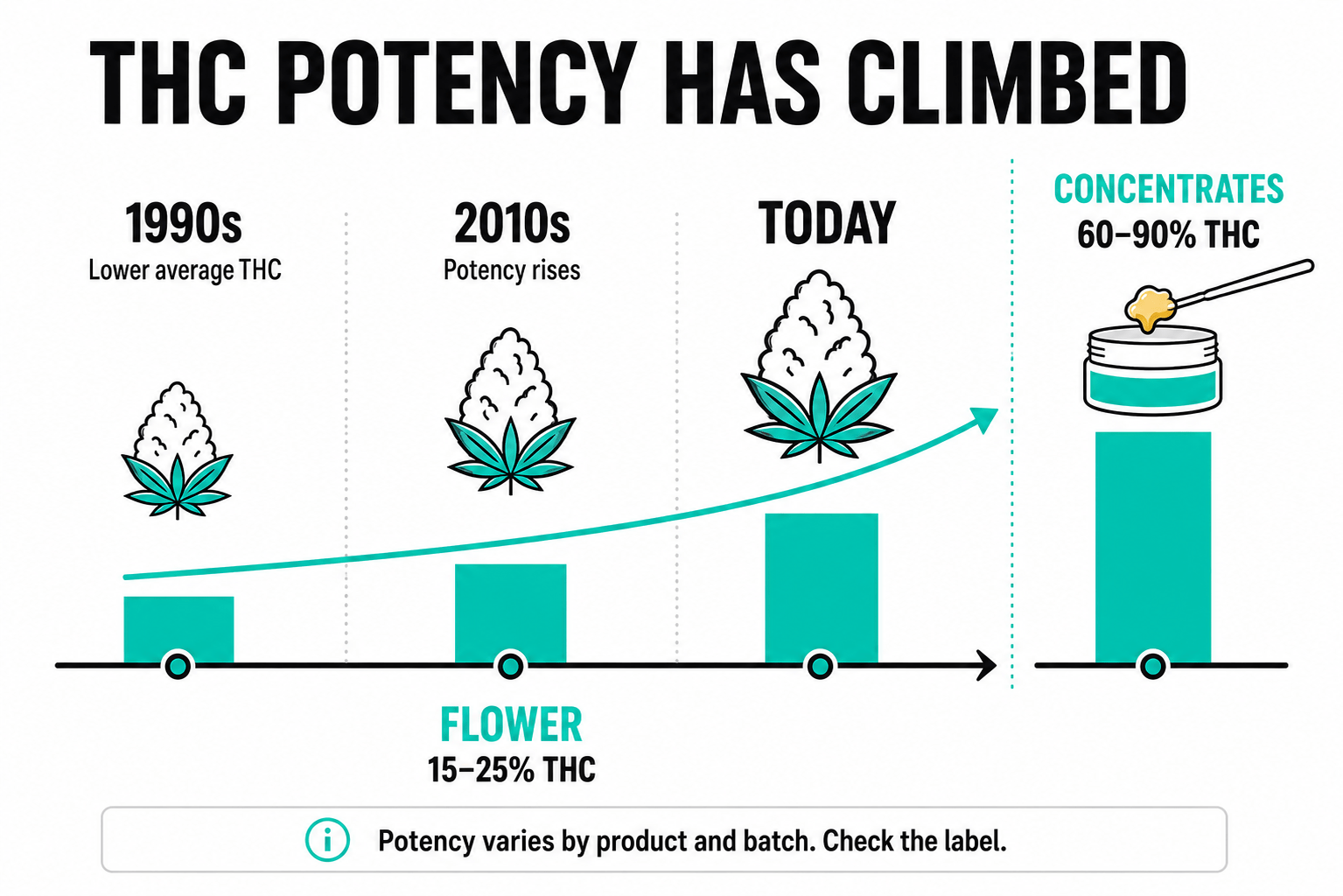
Image lightbox

THC works through the endocannabinoid system, a signaling network involved in mood, memory, appetite, pain perception, stress, and other functions. It acts as a partial agonist at CB1 receptors, which are concentrated throughout the brain and nervous system.
At a comfortable dose, that interaction may bring relaxation, sensory changes, altered thinking, or an elevated mood. Push past that dose and the same system can produce poor coordination, distorted perception, anxiety, memory trouble, and changes in heart rate or blood pressure.
The reaction fades because the acute intoxication does. There is no instant off switch; the body needs time to process what has already been consumed.
Common triggers and risk factors
Low tolerance is an obvious setup. New consumers have little experience reading a product or their own response. Returning consumers may reach for an old dose without accounting for time away.
Potency matters just as much. Flower often tests between 15% and 25% THC. Concentrates, dabs, and many vape oils can land between 60% and 90%. Switching formats without adjusting the dose is an easy way to overshoot.
Edibles add a delay. The first dose may still be building when someone decides it “isn't working” and takes another. By the time both servings peak, there is no taking either one back.
Alcohol raises the stakes. In controlled research, drinking before cannabis increased peak blood concentrations of THC. It also weakens judgment, which makes another hit or serving easier to justify.
Dehydration does not cause greening out, but it can make dry mouth, dizziness, and fatigue feel worse. CBD is not a dependable shield, either. The ratio of cannabinoids may change the character of a product, but it does not cancel a heavy THC dose.
Most green-outs are not the result of one spectacular mistake. They come from a stack of smaller variables: a strong product, a low tolerance, a second serving, a few drinks, or a consumption method that delivers THC faster than expected.
How long greening out lasts
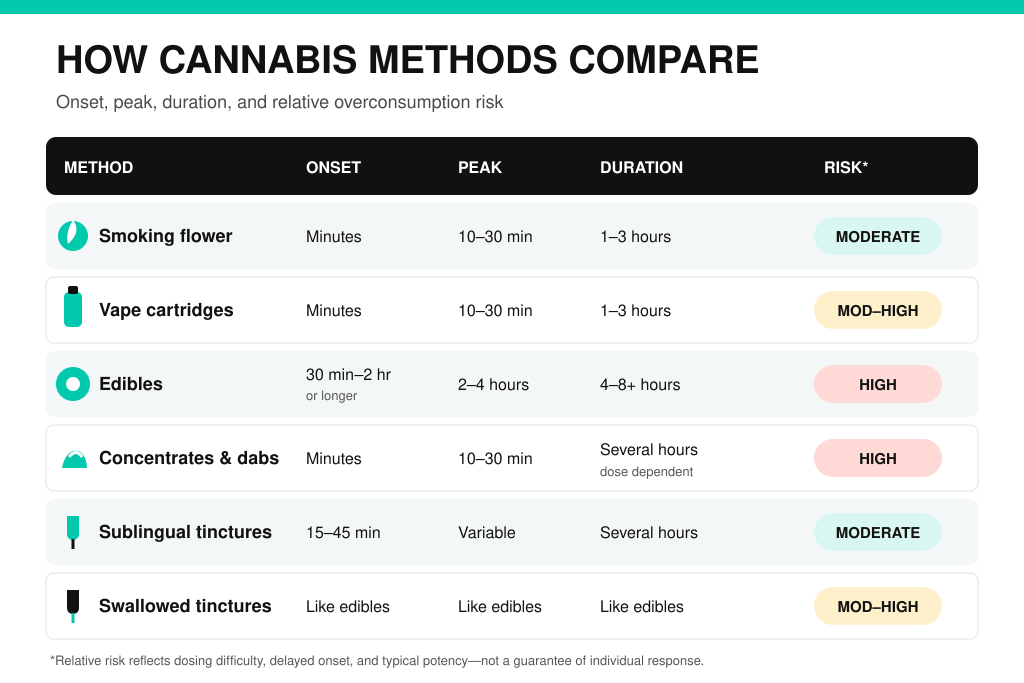
Image lightbox

There is no countdown clock for a green-out. Dose, tolerance, metabolism, product formulation, and route of administration all shape the experience.
Smoking and vaping work quickly. Effects begin within minutes and often peak within roughly 10 to 30 minutes. The strongest effects then decline over the next several hours. That general pattern appears in research on cannabis pharmacokinetics, but it cannot predict the end of a specific episode.
Edibles move more slowly. The first effects may take 30 minutes to two hours or longer to appear, and the peak can arrive hours after consumption. A heavy edible dose can dominate the better part of a day, with residual impairment lingering after the intense high has passed.
Concentrates hit on an inhaled-cannabis schedule, not an edible schedule. Their potency is the problem: one large dab or forceful pull from a high-output vape can deliver a lot of THC at once.
How greening out timelines compare
| Consumption method | Typical onset | Typical peak | General duration of noticeable effects |
| Smoking flower | Within minutes | About 10–30 minutes | Often 1–3 hours, with residual effects possible |
| Vape cartridges | Within minutes | About 10–30 minutes | Often 1–3 hours, with residual effects possible |
| Edibles | 30 minutes–2 hours or longer | About 2–4 hours | Commonly 4–8 hours and sometimes longer |
| Concentrates and dabs | Within minutes | About 10–30 minutes | Several hours, depending on dose and potency |
| Sublingual tinctures | About 15–45 minutes | Variable | Several hours |
| Swallowed tinctures | Similar to edibles | Similar to edibles | Similar to edibles |
These ranges describe noticeable cannabis effects, not guaranteed green-out recovery times.
Some consumers wake up groggy, tired, or foggy after the main effects are gone. People call it a weed hangover, although a review found limited and mixed evidence for consistent next-day impairment. For practical recovery advice, see how to feel better the day after consuming cannabis.
Do not wait out a medical emergency. Call 911 for chest pain, breathing trouble, seizures, loss of consciousness, or an inability to wake the person. Get medical guidance when symptoms keep worsening or remain concerning beyond the expected intoxication period.
What to do if you're greening out

Image lightbox

Stop consuming. Put down the joint, vape, edible, blunt, or concentrate. More THC will not settle the experience.
Move somewhere quiet and familiar. Sit or lie down, lower the lights, and step away from crowds, loud music, and tense conversations. If you feel faint, do not keep walking around to prove that you are fine.
Breathe slowly and normally. Anxiety can make a pounding heart feel even more alarming, which fuels more anxiety. Do not force huge breaths or long breath holds if they make you lightheaded.
Take small sips of water if you are alert and swallowing normally. Water helps with dry mouth and comfort, but it does not flush THC from the body. Skip alcohol completely.
A light snack is fine if you are not nauseated or vomiting. It may help you feel settled; it will not neutralize the THC or cut the experience short.
Rest if you are responsive, breathing normally, and have not mixed cannabis with alcohol or other drugs. Lie on your side if nausea or vomiting is present. Call 911 if someone becomes difficult to wake, has trouble breathing, experiences a seizure, or loses consciousness.
Call someone you trust. A calm person can keep the room steady, watch for warning signs, and remind you what happened: you consumed too much cannabis, and the effects are wearing off even if time feels frozen.
How to help someone who's greening out
Stay calm. The person is already scanning the room for proof that something is wrong. Panic, jokes, cameras, and whispered side conversations only give the fear more material.
Move them away from noise and crowds. Help them sit or lie down somewhere safe. If they are alert and swallowing normally, offer small sips of water. Food is optional and should stay off the table if they are nauseated or vomiting.
Keep your language simple. Try: “You had more cannabis than you wanted. You're here with me. We're going to stay put while it wears off.” Do not argue with every anxious thought or bury them in explanations.
If they vomit, stay with them and place them on their side with their head angled slightly downward. That position helps protect the airway. Call 911 if they choke, struggle to breathe, lose consciousness, have a seizure, or become difficult to wake.
Do not add alcohol, cannabis, prescription medication, or any other substance in an attempt to balance the high. The result will be harder to read, not easier.
If they fall asleep, check that they are breathing normally and can be awakened. Unusual unresponsiveness is not ordinary sleep. When in doubt, call Poison Control or emergency services.
When to get medical help
Most green-outs end without emergency treatment. Some do not belong in the “wait it out” category.
Call 911 if someone:
- Cannot be awakened
- Has trouble breathing
- Experiences chest pain
- Has a seizure
- Loses consciousness or collapses
- Appears to be choking
- Becomes a danger to themselves or others
A fast or irregular heartbeat that does not settle, repeated vomiting, severe dehydration, extreme agitation, hallucinations, dangerous behavior, or worsening confusion also warrants medical evaluation.
Take extra care when cannabis was combined with alcohol, opioids, sedatives, or another drug. Slowed breathing or extreme drowsiness may come from the other substance, and blaming everything on cannabis can waste critical time.
Children need prompt professional guidance after accidental cannabis exposure. CDC data cite a 1,375% increase in reported edible cannabis ingestion among children younger than six from 2017 to 2021. Older adults and people with cardiovascular conditions also deserve a lower threshold for medical evaluation.
Poison Control provides free guidance in the United States at 800-222-1222. Call 911 instead when the symptoms are immediately life-threatening.
How to avoid greening out
Start low, go slow — especially with edibles
The cleanest prevention strategy is simple: take less THC, then give it time.
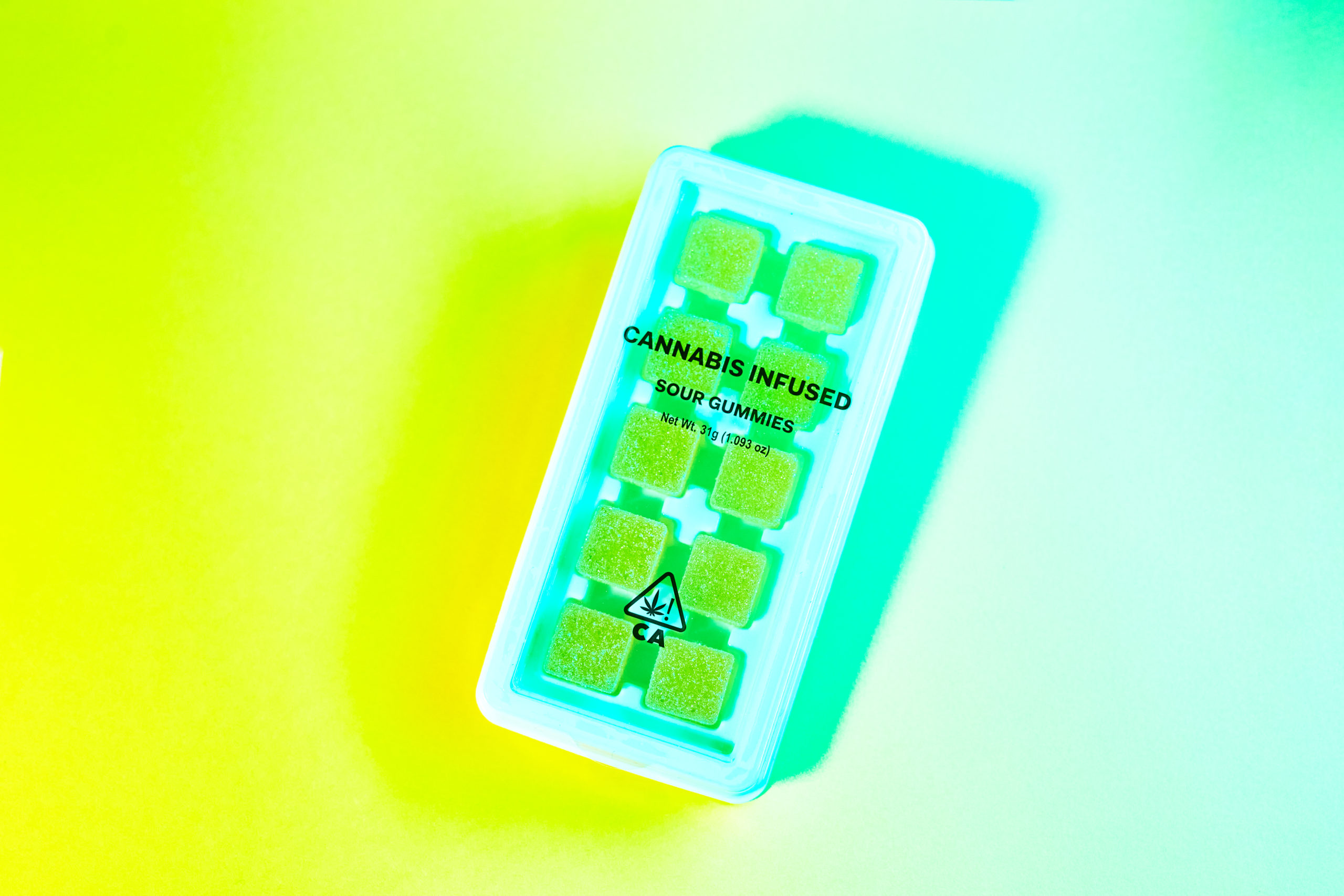
That rule matters most with edibles. They do not provide the immediate feedback of a joint or vape. The first serving may still be climbing when impatience turns into a second serving.
New edible consumers and people with low tolerance can start at 2.5 milligrams of THC or less. Wait at least two hours before even considering more. Waiting until another day gives you a much clearer read on what the first dose actually did.
Swallowed THC takes a different route through the body. The liver converts some delta-9-THC into 11-hydroxy-THC, an active metabolite that contributes to the strength and duration of edible effects. That is why a small edible can feel heavier and last longer than expected.
Researchers have proposed 5 milligrams of THC as a standard unit for reporting cannabis exposure. It is a measurement tool, not a promise that 5 milligrams will feel comfortable to everyone. One package may also contain several servings, so read both the per-serving dose and the total THC before eating anything.
Store edibles in their original child-resistant packaging, away from children and pets. Products that resemble familiar candy or baked goods are especially easy to mistake for ordinary food.
For a closer look at product-specific starting points, see the Weedmaps guide to THC dosage.
Know your product and your tolerance
Check the label before the first hit or bite. Flower in the 15% to 25% THC range and concentrates in the 60% to 90% range do not call for the same approach. A large pull from a potent concentrate can deliver far more THC than a casual puff of flower.
Do not assume tolerance transfers cleanly between formats. A daily flower consumer can still get flattened by an edible. Someone comfortable with edibles may be caught off guard by the speed of a dab.
Concentrates deserve particular respect. In one study, average blood THC concentrations reached approximately 321 nanograms per milliliter after concentrate use versus approximately 140 nanograms per milliliter after flower use. Those blood levels did not map neatly onto impairment, so they cannot tell you exactly how high someone will feel. They do show how much THC a concentrate session can put into circulation.
After a tolerance break, start below your old dose. Your memory of what felt manageable is not proof that the same amount will land the same way now.
CBD may change how a balanced product feels, but it does not reliably prevent or reverse overconsumption. Dose and THC potency still run the show.
Licensed retailers provide labeled cannabinoid information that makes dosing less of a guessing game. You can find a licensed dispensary near you on Weedmaps.
Don't mix cannabis and alcohol
Alcohol can turn a manageable cannabis dose into a much rougher ride. In a controlled study, drinking before cannabis raised peak THC levels from 42.2 micrograms per liter to 67.5 micrograms per liter at the higher study dose. The same amount of cannabis hit harder after alcohol entered the picture.
The combination also compounds impairment. The Colorado Department of Transportation warns that mixing the two can increase crash risk. It can also intensify nausea, dizziness, poor coordination, and vomiting.
If someone becomes severely impaired or unconscious, alcohol increases the danger of choking on vomit. Put an unresponsive person on their side and call 911. Do not leave them alone.
If you choose to use both substances, use less of each and do not drive or operate machinery. Avoiding the combination entirely is the most reliable way to avoid a crossfade gone wrong.
Frequently asked questions
What does greening out feel like?
It can feel like vertigo, nausea, a pounding heart, a panic attack, or all four at once. Sweating, confusion, paranoia, poor balance, altered time perception, and trouble concentrating can join the mix. The exact combination varies, but the defining feature is the same: the THC dose feels far beyond comfortable.
How long does greening out last?
Inhaled cannabis usually peaks quickly and declines over several hours. Edibles may take two hours or longer to show their full strength and can last six hours or more. Dose and tolerance matter more than the clock, so use those ranges as orientation, not a deadline.
Is greening out dangerous? Can it kill you?
A fatal overdose caused solely by cannabis is considered very unlikely. The surrounding risks are real: falls, accidents, repeated vomiting, dehydration, severe panic, hallucinations, and cardiovascular symptoms. Chest pain, breathing trouble, seizures, loss of consciousness, or an inability to wake someone require emergency care.
What should you do if you're greening out?
Stop consuming. Sit or lie down somewhere calm, breathe slowly, and take small sips of water if you can swallow normally. Do not add alcohol or more cannabis. Get help if the symptoms become severe or keep worsening.
Do black peppercorns or CBD stop a green-out?
Neither has been established as a treatment for acute cannabis intoxication. Peppercorn claims rest on theory and anecdote, not human clinical trials. CBD can alter some THC effects, but taking a CBD product after the fact is not a dependable rescue strategy.
How many hits or blinkers does it take to green out?
There is no universal number. THC concentration, inhalation size, device output, tolerance, and other substances all change the dose. A “blinker” is especially unreliable because two vape devices can deliver very different amounts of THC during a draw of the same length.
Is it safe to sleep when greening out?
Rest is reasonable when the person is responsive, breathing normally, has not mixed substances, and shows no sign of an emergency. Put them on their side if vomiting is possible. Call 911 if they are difficult to wake, struggle to breathe, have a seizure, or lose consciousness.
Explore more on Weedmaps
Greening out is easier to manage when you know what is happening and what deserves medical attention. Learn your dose, check the label, give edibles time, and do not let alcohol rewrite the experience.
Explore more on Weedmaps for clear guides to cannabis products, cannabinoids, dosing, and consumption methods.
Medical disclaimer: This page is for informational purposes only and is not intended as medical advice. Please consult your physician before changing any medical treatment.