Maple Leaf Indica has been making a sticky impression since before rosin had its own refrigerator. Sensi Seeds developed this classic from preserved Afghan genetics associated with Mazar-i-Sharif’s hash-making tradition. Its background belongs to the broader Afghani family, rather than a documented cross of two modern named cultivars.
Per Sensi, the ancestral stock left Afghanistan shortly before the Soviet invasion and was later backcrossed to retain its characteristic indica traits. This is a breeder-developed line with regional roots, rather than an untouched landrace.
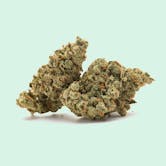
The breeder describes sweet citrus layered over earthy hash, with richer, buttery notes underneath. The sweetness has some rind on it. Dense flowers carry a generous resin coating, giving this old hash cultivar substance behind its reputation.
Online reviews note relaxation, tingling, hunger, and a sleepy turn, with happiness and euphoria also appearing in their accounts. It’s the kind of profile that makes an empty evening look well planned. How quickly that calm turns drowsy depends on the person and the dose.
Sensi Seeds offers Maple Leaf Indica as regular photoperiod seed, which can produce male and female plants. The breeder lists a 45–50-day flowering period.
Plants typically show compact indica growth and broad leaves. Sensi describes moderate stretch during flowering, while outdoor plants can develop into larger bushes when conditions allow. The line is suited to indoor cultivation and warm, sunny outdoor environments.
The breeder identifies Sea of Green as one approach to production. Its original account emphasizes resin production over being the heaviest-yielding Afghan in the collection.
That resin is central to its hash-making appeal. Traditional hash suitability does not establish a specific ice-water wash percentage or rosin return; those depend on the selected plant and processing method.