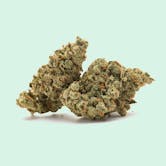
Mango Dream
- Mango (100% of reported flavors)
Mango Dream puts ripe tropical fruit on the nose and has a reputation for keeping the daydream lively. Two parentage accounts circulate under the name.
Origin 1: The established retail account describes a probable Mango × Blue Dream cross, although its original breeder remains unconfirmed. Sweet mango leads the profile, with berry, citrus, and earthy herbs filling out the finish. Flower sold under this name also draws descriptions of pineapple and pepper, giving the tropical sweetness a sharper edge.
Origin 2: Crop King Seeds markets a feminized version as Mango Kush × Blue Dream. That is a different stated parent pairing, though the relationship between this seed offering and the older retail cultivar is unresolved. Its vendor description identifies a sativa-dominant hybrid; detailed sensory information specific to this release is limited.
Across the familiar flower descriptions, juicy mango gets the first word. Citrus zest cuts through the sweetness, followed by a lightly herbal, piney finish with pepper underneath. The fruit has some bite left in it. Reported buds are dense and light green, sometimes nearly yellow, with amber-orange pistils and a frosty trichome coating.
Menu regulars describe a quick mental lift with energy, creative interest, and an upbeat mood. Focus and conversation feature in accounts of the sativa-labeled flower, while a gentler body relaxation can develop alongside the head buzz. Mango Dream’s appeal is that bright, engaged opening: more following an interesting thought than drifting straight into bedtime.
Crop King Seeds lists its Mango Kush × Blue Dream version as feminized seed stock. Flowering estimates attached to marketed Mango Dream seed offerings run approximately eight to ten weeks, but that window should remain tied to the supplier’s specific line.
The older Mango × Blue Dream account lacks a confirmed breeder cultivation sheet. Reliable mature-height measurements, yield figures, and resistance traits are not established for that cultivar. Claims of strong pest resistance or a fixed October harvest should not be generalized across both versions.