KC OG puts lemon in the tank and keeps its foot on the funk. This Southern California cut, associated with Kush Company Cannabis, brings sharp citrus, earthy pine, and sour diesel flavor with a deeply relaxing reputation. Its first-place finish at the 2015 High Times Cannabis Cup in Los Angeles gave that OG attitude some hardware to match.
The strain is often identified as an OG Kush × Master Kush cross, although the second parent remains disputed. Its OG ancestry is better established than that exact pairing, and the original breeder is unconfirmed. Whatever the missing paperwork, the lemon-pine-fuel combination makes a forceful introduction.
Sharp lemon rind leads the flavor before earthy pine and diesel take over. Skunky herbs and black pepper give the finish a savory bite, keeping the citrus firmly out of lemonade territory. The sour fuel hangs around, leaving the sweeter end of the menu to somebody else.
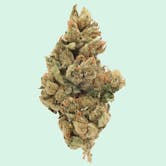
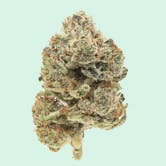
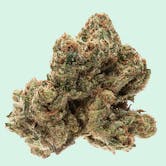
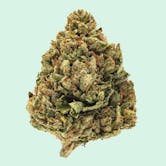
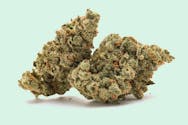
The nugs show up looking like resin-coated golf balls, with compact, deep-green flowers and burnt-orange pistils. Heavy trichome coverage gives the darker green a frosted finish. Small-scale flower structure, considerable OG presence.
Seasoned smokers keep coming back to a rising euphoria that settles into full-body relaxation. They describe happy, calm moods with enough focus for conversation in some sessions, while stronger doses can leave them thoroughly parked. For those fans, KC OG starts with a lift and finishes by making the nearest comfortable seat look like an excellent decision.
KC OG is a moderate-to-difficult grow that reaches 3–4 feet indoors with a compact, calyx-forward structure that responds well to SCROG training with a 5–7.5 cm grid to manage its canopy and maximize cola production.
Flowering takes roughly 8–10 weeks, producing moderate yields that reward well-lit tops and attentive canopy management. It thrives in both indoor and outdoor environments but prefers warm conditions with temperatures around 75–82°F during the day and a 2–4° drop at night, with humidity kept near 45–55% during flowering to prevent powdery mildew on its dense buds.