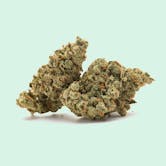
Juanita La Lagrimosa
aka Juanita
Juanita La Lagrimosa brings citrus Haze, fruity hash, and a surprisingly busy social calendar for a CBD-rich strain. The flavor has old-school depth, and the original breeder describes a high that keeps thoughts and conversation moving. Juanita may translate to a tearful name, but this one has plenty to talk about.
Origin 1: Reggae Seeds created the original Juanita. Its family tree identifies Reina Madre, also called Queen Mother, crossed with NYC Diesel, while the breeder’s archived description names a Mexican/Afghan × Reina Madre pairing. Both accounts belong to the Reggae Seeds original; the pedigree discrepancy remains unresolved.
Origin 2: Élite Seeds developed its version in collaboration with Reggae Seeds, working from the original Juanita clone through further crossing and pheno selection. Élite reports that starting clone at 8.8% CBD and 6.7% THC and describes its own release as mild and manageable. This is a continuation of Juanita’s family, with additional selection behind the name.
Sharp citrus cuts through a fruity, hash-rich flavor, with earthy depth beneath the brighter notes. The Haze character keeps the aroma lively while the hash gives it some weight. Think lemon peel over a well-stocked hash tray, with fruit lingering after the sharper citrus fades.
Heads in the know clock an important difference between the releases: Reggae Seeds describes its original as cerebral, clear, active, and very sociable, while Élite emphasizes a gentler effect. Juanita’s CBD reputation shouldn’t be mistaken for a promise of sedation. The original sounds more interested in keeping the conversation going than calling it a night.
Reggae Seeds lists 60–65 days of indoor flowering, with outdoor harvest in the first half of October in suitable Northern Hemisphere conditions. Indoor yields are listed at 400–600 g/m². Its predominantly sativa growth comes with a relatively brisk flowering schedule, giving growers a shorter wait for that citrus-and-hash payoff.
Élite’s feminized version suits indoor and outdoor cultivation and is listed at approximately 63 days of flowering. The breeder emphasizes high yield potential and resistance to powdery mildew, though resistance isn’t immunity. Its selection work also focuses on the cannabinoid profile, so test individual plants before choosing a keeper for a particular THC-to-CBD balance.