Cherry Fuego
Origin 1: Bred by Sundro/Atta and GANS. A cross of Cherry Pie with Glazed Black Cherries, and it's the one consistently documented in licensed commercial listings — sweet, fruit-loud cherry up front, spice and earth riding the exhale.
Origin 2: Credited to Sow Good Seeds in a single cultivation post — thin sourcing, not repeated documentation. A cross of Triangle Kush and Glazed Black Cherry Pie. Take any specific claims about this version's flavor, effects, or bag appeal with a grain of salt until better sourcing shows up.
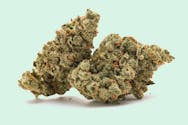
For the Sundro/Atta and GANS side of things, commercial listings describe a relaxed, uplifting high that doesn't slam you flat. Beyond that, softer claims like "creative edge" or "focused euphoria" floating around online don't trace back to a clear source, so treat those as vibes rather than verified. Same with the frosty, purple-tinged bud descriptions — that's coming from individual product listings, not a cultivar-wide guarantee, so what lands in your jar may not match the photos.
Heads up on naming confusion: Don't confuse Cherry Fuego with Cherry Fire (aka Cherry Fire Pie OG) — a Relentless Genetics cultivar that shares the Cherry Pie parent but uses Fire OG BX2 instead of Glazed Black Cherries. Similar name, similar roots, completely different cultivar.


