Aloha Punch
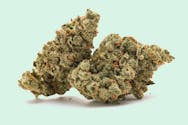
Origin 1: The most widely cited Aloha Punch crosses Aloha with Fruit Punch. Its breeder has not been confirmed, but strain directories consistently describe it as a strongly sativa-dominant hybrid. Pineapple, ripe apricot, and tropical citrus lead the aroma, backed by sour fruit and a light earthy edge. Reviewers describe an uplifting, euphoric headspace that turns chatty, creative, and socially charged. The flower is commonly described as bright green and popcorn-shaped, threaded with thin orange hairs and covered in pale, frosty trichomes.
Origin 2: Made by a Farmer sells another Aloha Punch made from Mochi Gelato and Purple Punch. The producer classifies this version as a 60% sativa / 40% indica hybrid. With no Aloha or Fruit Punch in its lineage, this is a separate same-name strain, not another phenotype of Origin 1. Independent consumer reports and flower descriptions remain limited, so its aroma, appearance, and effects cannot be established with confidence.
Fans of the Aloha × Fruit Punch version note a mellower, relaxed drift as higher-dose sessions wear on. Its flower is commonly described as popcorn-shaped, with bright neon-green color, golden undertones, thin orange hairs, and frosty trichomes. Independent consumer reports and flower descriptions for the Mochi Gelato × Purple Punch version remain limited, so its effects and appearance have not been established.


