Pinene-rich cannabis feels sharper because its piney terpene profile can support a cleaner, more alert headspace. The effect depends on the full terpene mix, cannabinoid balance, freshness, and dose.
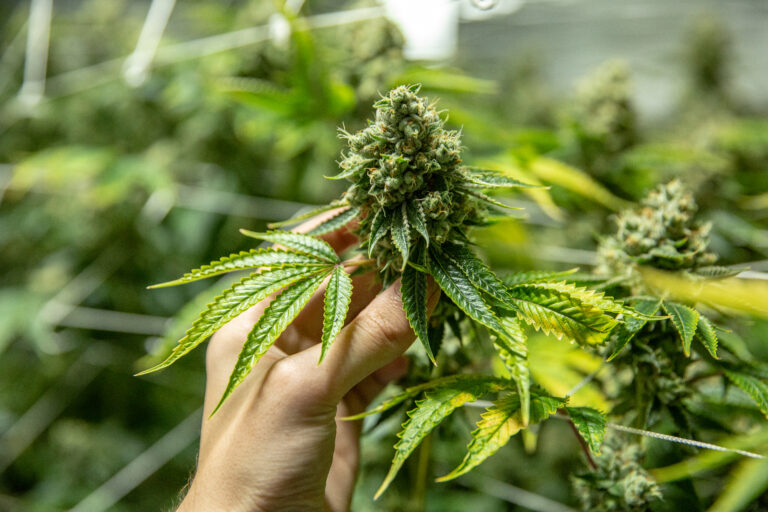
 Photo by: Gina Coleman/Weedmaps
Image lightbox

Some cannabis feels like turning the lights on upstairs.
Not wired. Not jittery. Just clearer, brighter, and easier to stay present with.
That kind of sharp headspace is not coming from THC percentage alone. It comes from the profile around the THC, especially when pinene shows up as one of the dominant terpenes.
Pinene is the terpene behind that crisp pine smell in certain strains and concentrates. But aroma is only the front door. The more interesting part is how pinene may help shape perception when it appears alongside cannabinoids and other terpenes.
That is why two products with similar THC can feel totally different. One feels clean and alert. The other feels foggy, and heavy.
The difference lives in the chemistry.
What pinene actually is

Image lightbox

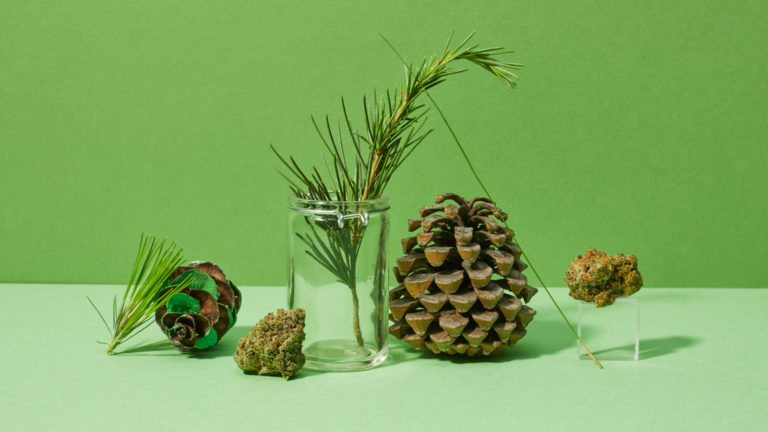
Pinene is an aromatic terpene found in cannabis, pine needles, rosemary, basil, and plenty of other plants.
In cannabis, it shows up as alpha-pinene or beta-pinene on lab reports. Both bring that familiar pine-forward note, though alpha-pinene is the one most discussed when people talk about clarity and alertness.
Terpenes are volatile aroma compounds, but they are not just smell decoration. They help shape how a cannabis product expresses itself, especially when they interact with cannabinoids like THC, CBD, CBG, and CBN.
That does not mean pinene guarantees one exact effect every time.
Cannabis is not a vending machine.
But a pinene-forward profile can give you a strong clue about the direction of the experience. When pinene leads or sits near the top of the terpene list, many consumers describe the result as clearer, more alert, and less mentally muddy than heavier terpene blends.
Why pinene may feel mentally sharper
The “sharp” feeling people associate with pinene comes from how it may influence perception, attention, and mental texture.
Research is still developing, so this should not be treated like a hard medical claim. But pinene is discussed for its possible relationship with cognitive clarity, including potential activity around acetylcholine, a neurotransmitter involved in attention and memory signaling.
In plain English, pinene may help some cannabis feel less swampy.
Instead of the high spreading out into a thick mental haze, a pinene-rich profile can feel more defined. Thoughts may feel easier to track. The experience may feel more upright and functional. The edges feel cleaner.
That is the key mechanism.
Pinene does not erase THC's psychoactive effects. It may change how those effects are perceived when the rest of the profile supports that direction.
Why pinene works best as part of a profile

Image lightbox

Pinene rarely acts alone in cannabis.
A product might be pinene-forward, but it still contains other terpenes and cannabinoids that push the experience in different directions. That full profile decides whether the final effect feels crisp, buzzy, balanced, heavy, or foggy.
When pinene appears with limonene, the experience reads brighter and more upbeat. Limonene brings a citrusy, lifted aromatic profile that can make pinene's clarity feel more energetic and outward-facing.
When pinene appears with terpinolene, the result can feel more lively, aromatic, and head-forward. That combo shows up in cannabis people describe as more daytime-friendly or mentally active.
But when pinene sits under a heavier terpene stack, the sharpness can get muted.
High myrcene may pull the experience toward a slower, heavier body feel. Beta-caryophyllene can add a grounded, weighted quality. Those are not bad things. They just change the lane.
That is why a little pinene buried under a myrcene-heavy profile will not feel the same as a product where pinene actually leads.
Dominance matters.
Why some products feel foggy instead
Foggy cannabis comes from a different profile balance.
A high-THC product with low terpene expression can feel blunt and one-dimensional. It may hit hard, but without much shape. That can feel less like clarity and more like a mental blanket.
Heavier terpene profiles can also shift the vibe.
Myrcene-rich products are associated by consumers with body heaviness and slower pacing. Caryophyllene-heavy profiles can feel more grounded and physically present. Add in degraded terpenes or rising CBN from age, and the whole thing can start drifting into sleepy, foggy, “why did I walk into this room?” territory.
That does not mean foggy cannabis is low quality.
Sometimes that is exactly what someone wants.
The point is that “strong” and “sharp” are not the same thing. A product can be potent without feeling clear. Another can test lower in THC but feel much more vivid because the terpene profile is better preserved and better aligned with alertness.
Why freshness changes the pinene effect

Image lightbox

Pinene is volatile, which means it does not stay perfectly locked in place forever.
Heat, oxygen, and light can degrade terpene profiles over time. As the brighter aromatics fade, the product may still contain THC, but the experience can feel flatter and less defined.
That is why an old jar with a good strain name can miss.
The cultivar may be right. The original terpene profile may have been right. But if the product sat too long, got stored warm, or spent too much time exposed to air, the sharpness can fade before the THC number looks obviously weak.
Freshness is a big part of why one batch feels crisp and another batch with the same name feels dull. The label name is not the experience.
The current chemistry is.
Why harvest date can matter more than strain name
Strain names are useful, but they are not guarantees.
The same cultivar can produce different results across batches because harvest timing, curing, extraction, storage, and terpene preservation all affect the final profile.
If you are chasing that sharper, brighter feel, harvest or packaging date can matter more than the name on the jar.
A fresher product is more likely to preserve the volatile terpenes that create that clean top-end aroma and more defined mental character. An older product may have more terpene loss and more oxidation, which can make the same cultivar feel heavier or less expressive.
That is why “I had this strain before and loved it” sometimes turns into “why is this batch not hitting the same?”
Same name. Different chemistry.
Why dose still matters
Even the clearest terpene profile can get foggy if the dose is too high. THC still drives the main psychoactive effect. Pinene may help shape how that effect feels, but it does not cancel out overconsumption.
A small dose of pinene-forward cannabis may feel focused and bright. Too much of the same product can still tip into scattered, anxious, sleepy, or overloaded territory depending on your tolerance.
That is especially true with concentrates.
A tiny dab can carry a lot of THC, so the difference between “sharp and dialed” and “too high to answer a text” can be smaller than people expect.
Start low, especially with a new batch, and let the profile show itself before stacking more.
The bottom line

Pinene is not magic, but it is one of the better terpene clues for cannabis that may feel sharper, brighter, and more alert.
The real signal comes from the full profile. Pinene near the top of the terpene list, support from limonene or terpinolene, low signs of age-related degradation, and a fresh harvest or packaging date all make the clear-headed lane more likely.
Heavier terpene blends, terpene loss, older product, rising CBN, or too much THC can push the same session toward fog instead. So don't shop the strain name like it owes you consistency. Shop the chemistry.
Find pinene-rich flower near you on Weedmaps.