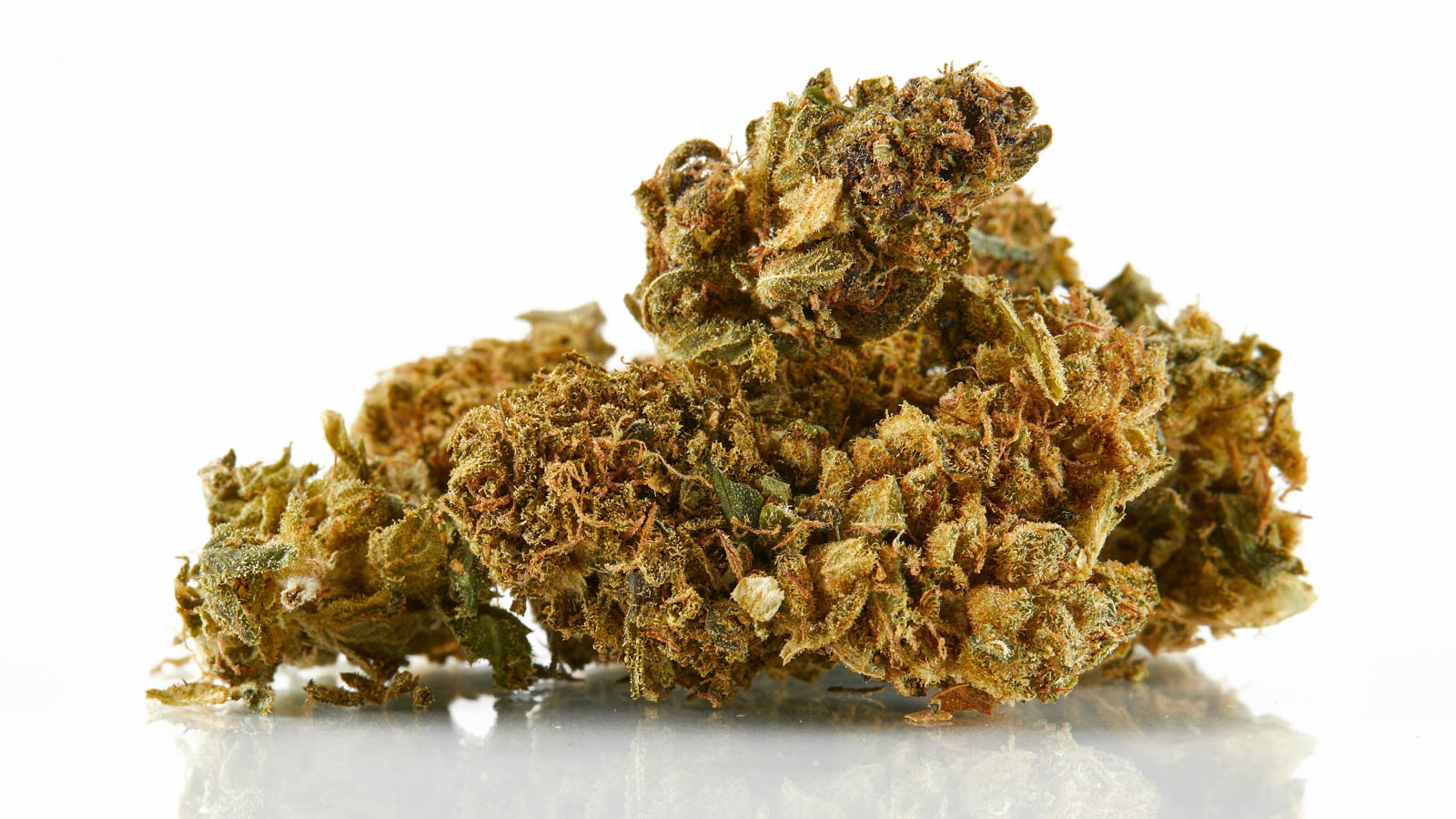
If you've ever opened a jar of cannabis only to find dry, flavorless flower, you're not alone. Learn how controlling light, heat, humidity, and air with the right container and storage location can help prevent dryness, potency loss, and mold while preserving your flower's aroma, flavor, and overall quality.
Image lightbox

Consider the math. If an eighth of cannabis costs $50 and its measured total potential THC declines during storage, part of the potency you paid for may be lost before you consume it. In one study of cannabis trimmings, Anresco Laboratories found that total potential THC declined by an average of 11.8% within 30 days, even under controlled storage conditions. Poor storage practices can accelerate the decline even further.
Learning how to keep weed fresh isn't complicated, but it does require understanding the factors that gradually degrade cannabis quality. Light, temperature, humidity, and air all influence how quickly cannabinoids and terpenes break down over time.
The good news is that a few simple adjustments can help preserve potency, protect aroma, and keep your flower closer to its original condition for longer. In this guide, we'll break down the science behind cannabis storage, what to do with old weed, and explain exactly how to keep your stash fresh, whether you're storing an eighth for a few weeks or putting away larger quantities for the long haul.
Why proper cannabis storage matters

Image lightbox

Cannabis doesn't stay the same forever. From the moment flower is harvested and cured, cannabinoids and terpenes begin slowly changing in response to their environment.
Research published through the United Nations Office on Drugs and Crime found that cannabis stored at room temperature lost an average of approximately 16.6% of its THC after one year, 26.8% after two years, 34.5% after three years, and 41.4% after four years. A separate Anresco Laboratories study of cannabis trimmings found an average 11.8% decline in total potential THC within its first 30 days, although those results should not be treated as a universal rate for retail flower.
Part of that loss occurs because THC gradually oxidizes into cannabinol, better known as CBN. While CBN remains a cannabinoid with its own effects, it's significantly less psychoactive than THC and is often marketed and anecdotally described as sedating, although research has not established that CBN alone reliably produces sedative effects in humans. As THC levels decrease and CBN levels rise, the overall experience of the flower can change.
Cannabinoids aren't the only compounds affected. Terpenes, the compounds responsible for aroma and flavor, are highly volatile and begin evaporating long before most people notice visible changes in their flower. As terpene levels decline, cannabis may smell weaker, taste less flavorful, and its overall chemical and sensory profile may change. Researchers are still examining how terpenes and cannabinoids may interact in what is commonly called the entourage effect.
Storage method matters, too. Whole flower retains cannabinoids and terpenes better than pre-ground cannabis because fewer trichomes are exposed to oxygen and environmental stressors.
Bottom line: Proper storage helps protect the potency, aroma, flavor, and overall quality you're paying for. If you're wondering what happens when weed goes bad or why older flower feels different than fresh flower, storage is often a major part of the answer.
The four enemies of fresh cannabis
Light
Light is widely considered one of the most damaging environmental factors for long-term cannabis storage. Foundational cannabis stability research demonstrated that exposure to light significantly accelerates cannabinoid degradation. Over time, THC breaks down into CBN through oxidation, and long-term exposure to both light and room-temperature conditions can result in substantial cannabinoid degradation.
That's why opaque or amber glass containers are often recommended. Amber glass can block roughly 90% to 98% of harmful ultraviolet radiation, helping shield cannabinoids and terpenes from unnecessary exposure.
Temperature
Cannabis prefers cool, stable conditions. For ordinary home storage, keeping flower below approximately 70°F (21°C) and away from heat is generally recommended.
Research from the National Research Council of Canada found that the shelf life of THC roughly doubles with every 5°C reduction in storage temperature. On the flip side, excessive heat accelerates cannabinoid and terpene degradation. Terpene losses increase substantially as temperatures rise, particularly among volatile compounds such as myrcene, limonene, and pinene.
Flower stored at approximately 25°C (77°F) consistently shows greater chemical changes over time than flower stored under cooler conditions.
Humidity
Humidity is a balancing act. Too little moisture can dry out flower and damage trichomes. Too much moisture can create ideal conditions for mold growth.
Industry standards generally recommend maintaining cannabis flower at a water activity range of 0.55 to 0.65. For consumers, that translates to an environment that keeps flower properly hydrated without creating excess moisture. Relative humidity (RH) refers to how much moisture is present in the surrounding air, while water activity measures how much water is available within the flower itself. In a sealed container that has reached equilibrium, a water activity of 0.55 to 0.65 corresponds approximately to an equilibrium RH of 55% to 65%.
Below recommended levels, trichomes can lose protective moisture and become more fragile, increasing terpene loss. Above roughly 65% relative humidity, mold risk rises significantly.
Air
To minimize oxidation, store flower in airtight containers and reduce excess headspace whenever possible. Choose a jar appropriately sized for the amount of flower, while leaving enough room to avoid crushing the buds. While limiting oxygen exposure is important, vacuum-sealing isn't always ideal for everyday flower storage because excessive compression can damage delicate trichomes and flatten buds.
The best containers for storing cannabis

Image lightbox

Glass jars remain the gold standard for cannabis storage. Glass is non-porous, doesn't generate static electricity, and won't transfer flavors or chemicals into your flower. Amber or UV-blocking glass offers additional protection by reducing light exposure. For best results, choose a jar that limits excess headspace while leaving enough room to avoid crushing the buds.
Plastic bags are one of the least effective storage options. Static electricity generated by plastic can pull trichomes away from flower, reducing cannabinoid and terpene content over time. Some terpenes, including limonene, can also interact with softer plastics, potentially affecting both the cannabis and the container itself. That's one reason many licensed operators avoid long-term storage in basic plastic bags.
Vacuum sealing has a place, but mostly for longer-term storage. Removing oxygen can help slow oxidation, but the pressure created during sealing may flatten buds and damage fragile trichomes. If you're storing flower for months, vacuum sealing can be useful. For everyday access, glass jars are typically the better choice.
Metal tins offer decent protection from light and physical damage, but they don't always provide the same airtight seal as high-quality glass jars. Tobacco humidors present a different challenge. Most are designed to maintain humidity levels around 70% to 72%, which is ideal for cigars but generally too humid for cannabis. Cedar-lined humidors may also transfer aroma compounds that alter the flower's natural terpene profile.

Image lightbox

Two-way humidity packs help solve one of cannabis storage's biggest challenges: maintaining consistent moisture levels. Unlike traditional humidification products that only add moisture, two-way systems can both absorb and release water vapor as needed.
Where to store your cannabis at home
Once you've chosen the right container, where you keep that container matters just as much.
The best places to store cannabis are cool, dark, and dry locations with relatively stable temperatures. A closet shelf, dresser drawer, or cabinet away from exterior walls and heat-generating appliances typically works well. These spaces help protect cannabinoids and terpenes from the environmental fluctuations that accelerate degradation.
Some locations are considerably less cannabis-friendly. Bathrooms experience frequent humidity spikes from showers, creating conditions that can increase moisture-related problems over time. Kitchens expose flower to heat from ovens, stoves, dishwashers, and direct sunlight. Windowsills and areas near windows introduce ultraviolet light, one of the biggest drivers of cannabinoid degradation. Electronics such as gaming consoles, routers, and computers can also generate enough heat to affect storage conditions.
Cars are among the worst places to leave cannabis. Interior temperatures can swing dramatically throughout the day, exposing flower to both excessive heat and cold.
If you keep multiple strains on hand, store them separately whenever possible. Individual terpene profiles can influence aroma, flavor, and effects, and keeping products sealed separately helps preserve those unique characteristics.
Finally, don't forget safety. Cannabis should be stored out of reach of children and pets, ideally in a lockable container or on a high shelf. Depending on where you live, state regulations may even require cannabis to be stored in a secured location.
How to store cannabis long term

Image lightbox

If you plan to store cannabis for six months or longer, the goal shifts from everyday convenience to maximum preservation.
One of the most debated topics in cannabis storage is freezing. Conventional wisdom often says never freeze cannabis, but research paints a more nuanced picture. A four-year stability study found that storage at -20°C (-4°F) was the most effective condition for minimizing cannabinoid degradation over time. The tradeoff is that frozen trichomes become brittle and can break off more easily when handled. In other words, freezing works best for cannabis you don't plan to access frequently.
Refrigeration offers a middle ground. Research found that cannabis stored at 4°C retained approximately 3.2% more THC than flower stored at room temperature and 14.1% more THC than flower stored at 30°C. Cooler temperatures consistently slow cannabinoid degradation.
A useful rule of thumb comes from storage-stability research: the shelf life of total THC roughly doubles with every 5°C reduction in temperature. While most consumers don't need laboratory-level storage conditions, keeping cannabis cool can significantly extend freshness.
For long-term storage, always keep flower whole whenever possible. Whole buds retain cannabinoids and terpenes better than ground cannabis because less surface area is exposed to oxygen. Grind only what you're ready to consume.
Commercial cannabis facilities sometimes use modified atmosphere packaging (MAP), which replaces oxygen with gases such as nitrogen. Recent research found that nitrogen packaging had little impact on total cannabinoids or terpene retention compared with properly sealed containers alone. Because the equipment required is expensive, this approach remains largely limited to commercial operations.
It's also worth remembering that properly stored cannabis starts with properly dried cannabis. Commercial producers typically dry flower at approximately 21–23°C (70–73°F) and 40–55% relative humidity for five to seven days before curing. Understanding the drying and curing process can help consumers better evaluate product quality before purchase.
Storing different cannabis products

Image lightbox

Concentrates
Cannabis concentrates like wax, shatter, and live resin require slightly different storage approaches than flower. Glass containers work well for products such as crumble, diamonds, sauce, and budder because they don't introduce static electricity or unwanted flavors. Shatter and rosin are often best stored in parchment paper inside an airtight container.
Refrigeration can help preserve terpene-rich products such as live resin, while freezing may be appropriate for very long-term storage. If you refrigerate concentrates, allow them to reach room temperature before opening to prevent condensation from forming on the product. Properly stored concentrates can often maintain quality for one to two years.
Edibles
Cannabis edibles should generally be stored according to the food product's packaging instructions. Refrigerate products that contain perishable ingredients and keep shelf-stable products sealed in a cool, dark place.
Like flower, cannabinoids in edibles gradually degrade when exposed to excessive heat and light. Always pay attention to expiration dates, since infused foods can spoil just like their non-infused counterparts.
Pre-rolls
Pre-rolls benefit from simple, protective storage. Keeping them in their original tube or another sealed container helps prevent crushing and moisture loss. Humidity packs can be used in larger pre-roll storage containers to help maintain freshness. Because pre-rolls are more fragile than loose flower, minimizing handling can help preserve their structure.
Vape cartridges
Store vape cartridges upright whenever possible. This helps prevent oil from settling unevenly and reduces the likelihood of clogging. Avoid exposing cartridges to extreme heat, which can cause leaking and degradation, or extreme cold, which can thicken the oil and affect performance. A cool, dry location at room temperature is typically ideal.
Signs your cannabis has gone bad

Image lightbox

Fresh cannabis should still look, smell, and feel like something you want to consume. If the flower has turned brown or tan, crumbles into dust when handled, smells like hay, or has lost most of its strain-specific aroma, it's probably past its best window.
Texture matters, too. Cannabis that's too dry will feel brittle and harsh, while flower that's damp or spongy may be carrying too much moisture. Visible white fuzz, dark spots, or a musty smell are warning signs of possible mold. Peer-reviewed research has identified Aspergillus ochraceus and A. niger among the most commonly recovered fungi from cannabis, and both can produce Ochratoxin A. The same research notes that cannabis mold can create respiratory concerns, especially for immunocompromised individuals.
When in doubt, throw it out. No jar of flower is worth gambling with mold.
If the issue is dryness rather than mold, humidity packs can restore moisture over 24 to 48 hours, but they can't bring back lost terpenes or THC. For step-by-step guidance, read our guide to rehydrating dry cannabis.
This page is for informational purposes only and not intended as medical advice. Please consult your physician before changing any medical treatment.
How to spot fresh cannabis at the dispensary
 Photo by: Gina Coleman/Weedmaps
Image lightbox

Freshness starts before you bring flower home.
When shopping, check harvest dates whenever they're available, not just package dates. A product may have been packaged recently even if the flower was harvested months earlier. Our guide to buying cannabis recommends looking for visual and sensory cues such as milky trichomes, vibrant color, structural integrity, a pungent strain-specific aroma, and slight stickiness.
Good flower usually has enough moisture to spring back gently when handled, without feeling wet or sponge-like. If it smells muted, grassy, or hay-like, it may have been over-dried, poorly cured, or stored too long.
A budtender can also tell you a lot. Ask how recently the product arrived, how quickly that strain usually moves, and how the shop stores flower before sale. High turnover isn't everything, but it often means less time sitting on a shelf.
You can also use Weedmaps to compare menus, read reviews, and find a dispensary near you before making the trip.
Common cannabis storage mistakes to avoid
Even high-quality cannabis can lose its flavor, aroma, and potency if it's stored improperly. Here are some of the most common storage mistakes and how to avoid them:
- Storing cannabis in plastic bags: Plastic creates static that can pull valuable trichomes away from your flower.
- Leaving cannabis in direct sunlight: UV rays break down cannabinoids and terpenes over time, reducing quality.
- Using a tobacco humidor: Tobacco humidors are designed for different humidity levels, and cedar lining can alter your cannabis' aroma and flavor.
- Grinding more than you need: Ground flower has more surface area exposed to air, causing cannabinoids and terpenes to degrade more quickly.
- Storing cannabis near heat sources: Keep flower away from stoves, heaters, electronics, and other warm areas that can dry it out.
- Opening the jar too often: Every time you open the container, fresh air enters and humidity levels fluctuate.
- Storing different strains together: Mixing strains can blend their terpene profiles, making each one less distinctive.
A few small storage habits can go a long way toward preserving your cannabis, helping every session taste and feel closer to what the cultivator intended.
Frequently asked questions
How long can weed stay fresh?
Properly stored cannabis can remain relatively fresh for six months to a year, although potency begins declining much sooner. Research found an average THC loss of approximately 11.8% within the first 30 days of storage, with continued degradation over subsequent years if conditions aren't optimized.
Is it better to store weed in a jar or a bag?
A glass jar is generally the better option. Glass is non-porous, doesn't generate static electricity, and won't interact with terpenes, while plastic bags can strip trichomes through static charge and may affect flavor and aroma over time.
What's the best container to store weed to keep it fresh?
An airtight amber glass jar paired with a two-way humidity pack is widely considered the best setup for long-term freshness. Amber glass helps block harmful UV light, while humidity packs maintain the ideal moisture range for flower storage.
Can you refrigerate or freeze cannabis to keep it fresh?
Yes, but context matters. Research found that freezing provided the best protection against long-term cannabinoid degradation, while refrigeration preserved more THC than room-temperature storage. However, frozen trichomes can become brittle, making freezing better suited for cannabis you won't handle often.
Does weed lose potency over time?
Yes. THC gradually degrades through oxidation and converts into CBN, a cannabinoid with much milder psychoactive effects. Studies have documented measurable potency loss within the first month and continued degradation during long-term storage.
Can you rehydrate dry cannabis?
You can restore moisture to dry flower, but you can't fully restore freshness. Two-way humidity packs often improve texture within 24 to 48 hours, but lost terpenes and degraded cannabinoids cannot be recovered.
Does weed go bad?
Cannabis doesn't spoil in the same way milk or meat does, but it absolutely degrades over time. Potency, aroma, flavor, and texture decline as cannabinoids and terpenes break down. If mold develops, the flower should be discarded immediately.
Do mason jars preserve weed?
Yes. Mason jars are one of the most effective and affordable storage options available. They provide an airtight seal, protect flower from excess oxygen, and avoid the static issues associated with plastic containers.
Where should I store my weed?
Store cannabis in a cool, dark, and dry location such as a closet shelf, dresser drawer, or cabinet. Avoid bathrooms, kitchens, windowsills, cars, and areas near electronics or heat sources.
How do I keep my weed from drying out?
The best approach is storing flower in an airtight glass jar with a two-way humidity pack that maintains approximately 55% to 62% relative humidity. This range helps prevent excessive moisture loss while minimizing mold risk.
Good weed deserves better storage
Keeping weed fresh comes down to controlling four things: light, temperature, humidity, and air. Store cannabis in an airtight amber or opaque glass jar, keep it in a cool (60–70°F), dark, dry location, and use a two-way humidity pack to maintain roughly 55–62% relative humidity.
A little attention to storage can help protect both your investment and your experience by preserving potency, aroma, flavor, and overall quality.
Explore more on Weedmaps, or find a dispensary near you.