Cannabis honey is an edible, so THC eventually moves through digestion and the liver. But honey behaves differently from baked goods, chocolates, and gummies because of its liquid texture, sugar composition, and how people usually consume it.
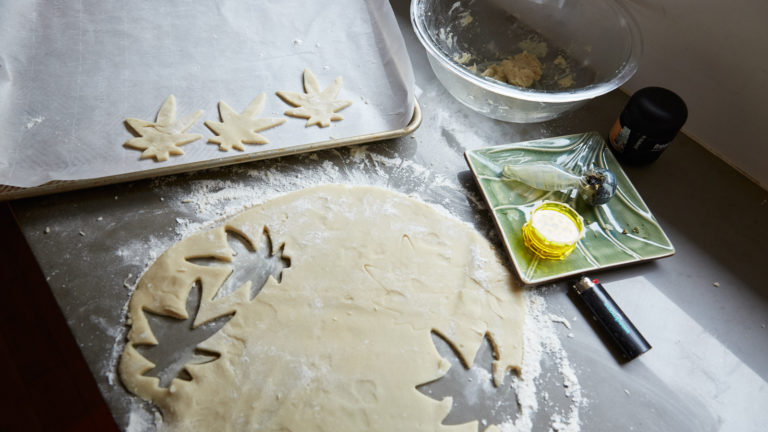
 Photo by: Gina Coleman/Weedmaps
Image lightbox

That changes the experience in practical ways. Cannabis honey can be easier to measure, easier to mix into warm drinks, and easier to repeat once you know your dose. It may also feel more gradual or sustained for some consumers compared with edibles that hit in a sharper wave.
The key is not assuming it works instantly. Cannabis honey still needs patience. The best experience starts with a small measured dose, a warm-not-boiling drink if you mix it, and enough time before taking more.
What cannabis honey is
Cannabis honey is honey infused with cannabinoids, usually THC, CBD, or both.
Some products are made with cannabis extract blended into honey. Others may use infused oils, tinctures, or emulsions, depending on the manufacturer. The important thing for consumers is the label: it should clearly show how many milligrams of THC or CBD are in each serving.
Cannabis honey is used by the spoonful or stirred into tea, coffee, warm water, or food. That makes it feel casual, which can be a little deceptive.
A sweet spoonful can still carry a meaningful dose of THC.
Like other edibles, cannabis honey should be measured carefully. Do not judge by taste, spoon size, or how much honey “looks normal.”
Why cannabis honey is different from standard edibles
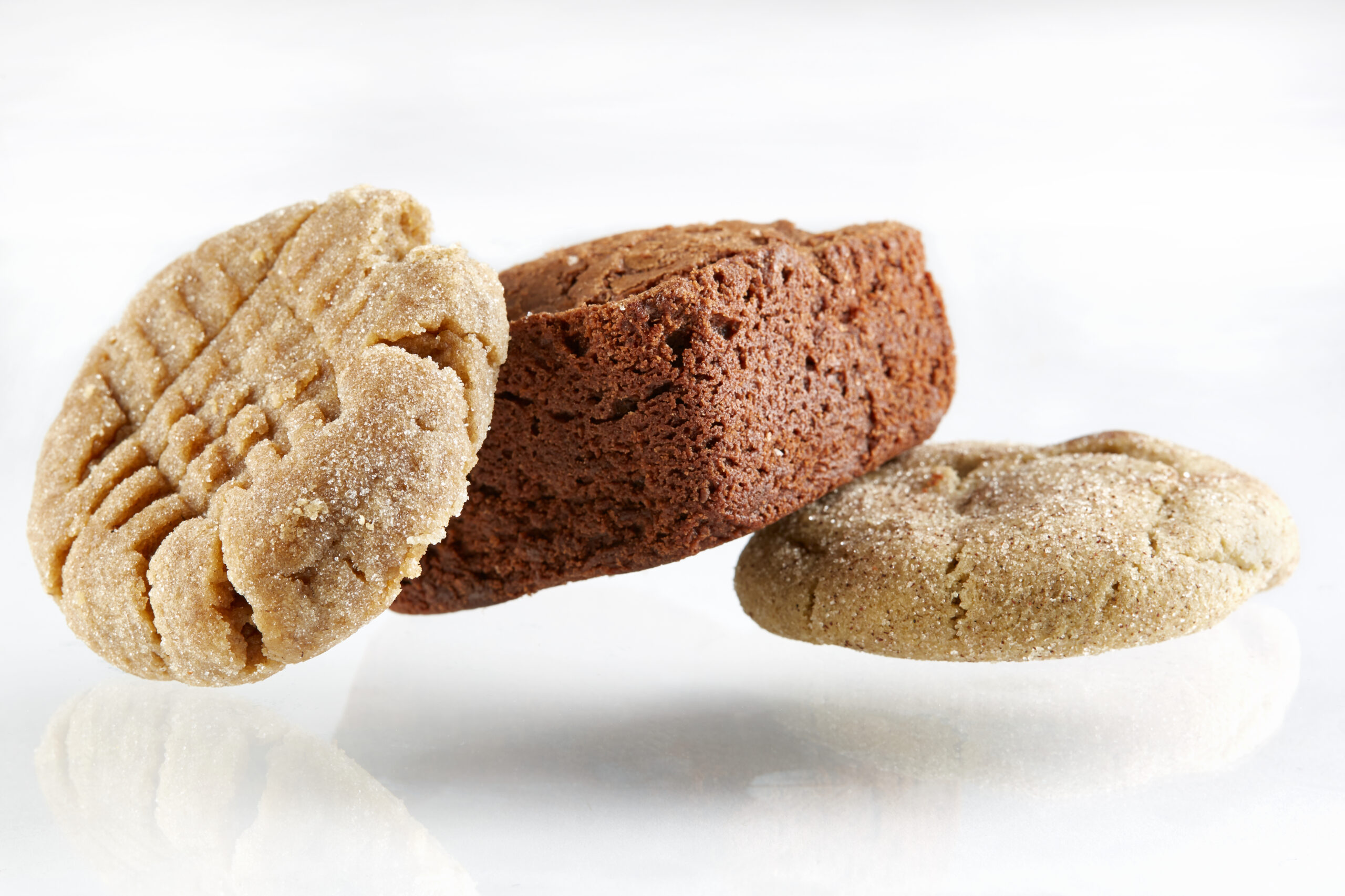
Most standard edibles are built into solid food. Gummies, brownies, cookies, and chocolates all need to be broken down before cannabinoids become available for absorption.
Cannabis honey starts differently.
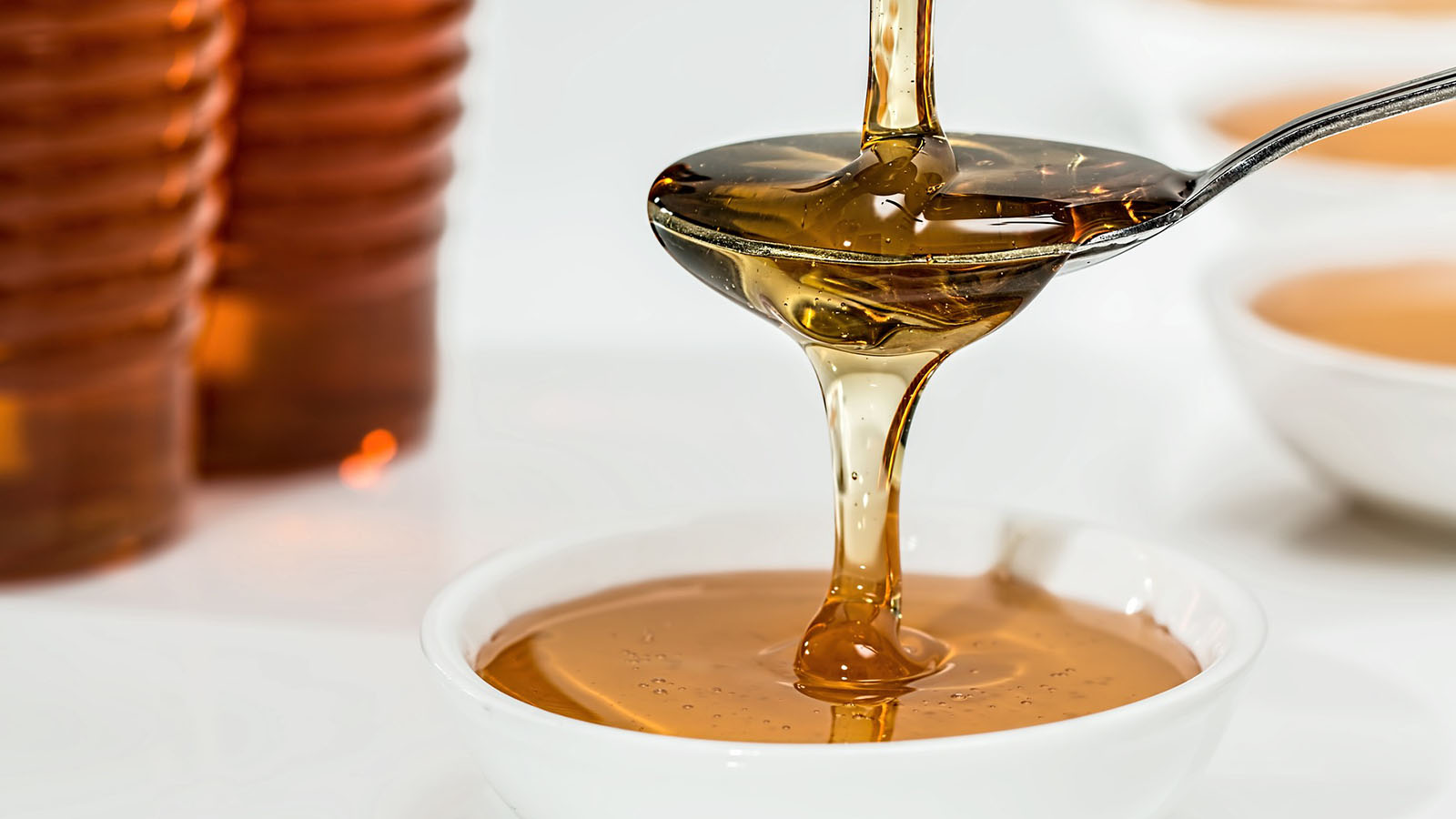
Honey is already soft, viscous, and easy to disperse. When stirred into a warm drink, it spreads more evenly throughout the liquid. That can make serving sizes feel more consistent than biting into a dense baked edible or relying on cannabinoid distribution in a homemade product.
Honey is also primarily made of simple sugars, including glucose and fructose. Those sugars move through the digestive system differently from flour, fat, gelatin, and chocolate bases.
THC still follows the edible pathway
That doesn't mean cannabis honey skips digestion.
Once swallowed, THC still enters the bloodstream and passes through the liver, where delta-9 THC is converted into 11-hydroxy-THC. This metabolite is largely responsible for the stronger, longer-lasting effects associated with edibles compared with inhaled cannabis.
Cannabis honey doesn't create a different form of THC or bypass edible metabolism. It still follows the same basic edible pathway as other edible products.
The key distinction is not what happens in the liver, but what happens before THC reaches it. Honey's texture and format create a different consumption experience than gummies, brownies, and other traditional edibles.
So the better way to think about cannabis honey is not as a "faster edible" or a "stronger edible." It's a different edible format with its own timing, texture, and dosing behavior.
What to expect after consuming cannabis honey

Image lightbox

One of the most common questions about cannabis honey is how quickly it works and how long the effects last. While every experience is different, understanding the general timeline can help set realistic expectations and make dosing more predictable.
Onset timing
Cannabis honey can still take time to kick in.
Many consumers may notice effects somewhere around 45 to 90 minutes after consumption, though timing varies by dose, product formulation, recent food intake, metabolism, and tolerance. Some people may feel it earlier. Others may need longer.
That window is why redosing too soon is one of the most common mistakes.
At 30 minutes, you may not have the full picture. At 60 minutes, effects may still be building. At 90 minutes, you are in a better position to decide whether the dose was enough.
Duration and the overall experience
Cannabis honey may feel more gradual or sustained for some consumers.
A gummy can sometimes feel like it has a defined climb, peak, and drop. A baked edible may arrive more slowly and feel heavier depending on the food base. Cannabis honey sits somewhere in the middle, offering more dosing flexibility than many traditional baked edibles.
Individual factors such as dose, tolerance, stomach contents, metabolism, and product formulation can all influence onset and duration.
Still, honey's format offers one practical advantage: consistency. When serving sizes are measured accurately, it becomes easier to understand how a product fits your personal preferences and routine.
Dosing cannabis honey
Check how many milligrams of THC are in the package and how many are in one serving. Some cannabis honey products list THC per teaspoon, tablespoon, packet, stick, or dropper. Others require you to calculate based on total milligrams and container size.
Many cannabis honey products contain around 5–10mg THC per serving. If you're new to edibles or trying a new product, consider starting with a lower amount to gauge your response before increasing the dose.
Use a measuring spoon, marked dropper, or pre-portioned packet when possible. Honey is sticky and dense, so eyeballing a spoonful can lead to inconsistent dosing.
After taking a dose, wait at least 90 minutes before considering more. If you do take more, keep the second amount small. The goal is to build a reliable pattern, not chase the first feeling.
Cannabis honey isn't different—it just asks for patience

Cannabis honey may look different from other edibles, but the same fundamentals apply. Start with a measured serving, be patient with the onset, and pay attention to how your body responds.
Its consistency and serving flexibility can make it easier to control portions and build a routine that works for you.
Explore Weedmaps to browse cannabis honey products, dispensary menus, and delivery options near you.