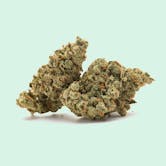
White Nightmare
- Strawberry (50% of reported flavors)
- Apple (33% of reported flavors)
- Berry (17% of reported flavors)
White Nightmare gives Blue Dream a wicked family reunion. Sin City Seeds crossed it with White Moonshine, keeping the berry sweetness and Haze character while bringing another resin-rich branch into the pedigree. The name sounds like a bad night. The flavor makes a much better first impression.
Blueberry ancestry runs through both sides of this cross. Blue Dream carries Blueberry and Haze roots, while White Moonshine pairs The White with Blue Moonshine. That makes the fruit connection more than a clever name association. Sweet berries lead, with herbal Haze, citrus, and pepper keeping the finish from getting syrupy. Earth and pine give the sweetness somewhere to land.
The “White” side earns its space on the label through a generous resin coating over pale green flowers and rusty pistils. Aficionado Seed Bank later carried the original cross into a selected F2 generation. That release continues Sin City’s family line rather than introducing a different set of parents. Same nightmare, next generation.
Its regulars online describe an upbeat, euphoric head high accompanied by comfortable physical relaxation. Some find the experience stimulating and mentally lively, with the body unwinding without immediately calling bedtime. That combination gives White Nightmare its particular appeal: a little mischief upstairs while the shoulders take the evening off.
White Nightmare flowers in approximately 55–65 days indoors and also grows outdoors. Sin City’s original specifications put indoor yields around 400–600 grams per square meter. Tall colas develop compact flowers with substantial resin coverage, giving the harvest both weight and plenty of frost.
Aficionado’s selected F2 follows the same 55–65-day flowering window and was released as regular seed stock. Sin City’s line also has feminized offerings. F2 plants can express different combinations of inherited traits, so variation between siblings is part of the package. The family resemblance stays; each plant gets its own audition.