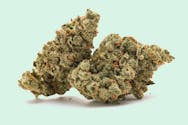
White Devil
Origin 1: Bred by Brothers In Farms, an F2 selection — White Devil x White Devil, descending from Dark Devil x White Grape. A mildly indica-leaning strain with deep purple pigmentation and sweet grape notes over citrus, candy, and pine.
Origin 2: Released through Clearwater Genetics and associated with a Tiki Madman collaboration, crossing White Truffle with Devil Driver. Online descriptions emphasize savory gas and sweet citrus-candy notes; type and terpene profile are seed-bank and retail characterizations, not independently verified.
Enthusiasts frequently describe both as euphoric and cerebral, with a wave of creative energy and motivation that fans say keeps them moving without the jittery edge. Reviewers note it's the kind of session that sparks a new playlist or a deep-dive conversation rather than couch lock. If you're after an uplifting, head-forward experience with complex flavor, White Devil delivers.
Note: Samsara Seeds’ “Spicy White Devil” (Jack Herer × Original Blueberry, mostly sativa) is a distinct cultivar with its own complete name, not an origin of “White Devil.”


