hybrid
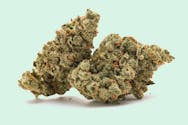
PGMO, short for Purple Garlic Mushroom Onion, is a purple-leaning cross built on the GMO (Garlic Mushroom Onion) lineage — itself a cross of Chemdawg D and Girl Scout Cookies. Sources disagree on PGMO's second parent: AllBud and other retail sources describe it as GMO crossed with Platinum OG, while Weedmaps' own strain data and at least one retailer describe it as GMO crossed with Pure Michigan instead. Both are indica-dominant and share GMO's savory character, so it's plausible different cultivators are running distinct crosses under the same name. Expect layers of herbal sage, roasted garlic, and black coffee on the nose, rounded out by woody pine undertones that linger on the exhale. It's a pungent one, and fans of bold, funky terpene profiles will feel right at home.
Reviewers describe the experience as deeply relaxing, with an initial wave of euphoria that gradually settles into full-body calm. People who reach for this strain in the evening often report it helps them wind down without feeling overly sedated right away. Dense, resinous buds show off the rich purple hues that helped inspire its name, courtesy of anthocyanin expression during cooler nighttime temperatures in late flowering. Those looking for a visually striking, indica-leaning hybrid with a savory edge will find PGMO worth tracking down at a nearby dispensary.
PGMO is a challenging strain that stays compact indoors, typically reaching three to four feet with a bushy, indica-leaning structure that fits well in limited grow spaces. Flowering takes roughly eight to nine weeks, and growers can expect medium yields around 350–450 g/m² indoors or 14–18 oz/plant outdoors when conditions cooperate. It does well in both indoor and outdoor setups but prefers a warm, Mediterranean-style climate with temperatures between 68–80°F and humidity kept around 40–50% during the flowering stage to protect those dense, resinous buds from mold. One of the more rewarding traits of this strain is its purple coloration, which tends to emerge when nighttime temperatures dip below 55°F during late flowering.
This content is for informational purposes only.


Browse Strains A to Z