Mango Sapphire
Mango Sapphire is an indica-leaner that puts ripe mango and coconut on the menu, then parks an OG gas can beside the fruit bowl. Humboldt Seed Organization gave this tropical cross a distinctly Kush finish. The name sounds like jewelry; the nose makes a stronger case for keeping it in a jar.
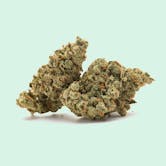
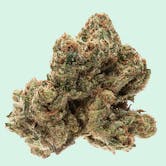
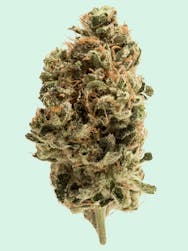
Humboldt Seed Organization crossed its elite Bubba’s Gift clone with an OG Kush × Afghan hybrid to create Mango Sapphire. That pairing puts a sweet, colorful selection against an old-school Kush background, giving the fruit some muscle. Dense flowers can show purple and reddish accents, with the kind of color that earns a second look before the jar even opens.
Mango leads the flavor, rounded out by coconut and a sweet tropical-fruit character. A tart edge cuts through the richness, while earthy gas keeps the finish from drifting into smoothie territory. The Mango Sapphire strain makes its strongest impression where those notes meet: juicy up front, a little sour through the middle, and unmistakably Kush underneath.
Regulars who keep this flower on deck describe a calming, deeply relaxing high with staying power. Some also find a clear, creative lift before the body settles into a slower gear. That contrast gives the tropical flavor a different destination than its sunny name might suggest. The fruit is lively; the evening can take its time.
Humboldt Seed Organization released Mango Sapphire as feminized photoperiod seeds for indoor, outdoor, and greenhouse cultivation. Its product specifications list 50–55 days of indoor flowering; the earlier breeder description gives 48–53 days. Growth is vigorous, with broad fan leaves and a sturdy branching structure. The breeder describes modest nutrient needs and recommends trellising to support production.
Breeder-listed yields are 400–600 g/m² indoors and 1–2 kg per plant outdoors under favorable conditions. Outdoor plants can reach 2–3 meters, with harvest listed for late September in the Northern Hemisphere. Temperate and Mediterranean climates suit the release. Growers have documented both compact and taller selections, so plant structure varies.