Kentucky Bluegrass
Kentucky Bluegrass brings the berry patch to the grass rotation, with two distinct versions sharing the name.
Origin 1: Roger Hendricks and Revolution paired Blueberry with Huckleberry Kush, selecting their keeper from nearly 150 phenotypes. That’s a lengthy audition for a flower with such a laid-back reputation. Sweet blueberry, floral notes, and earth define this version, with physical relaxation and a cerebral edge that stops short of outright sedation.
Origin 2: PONO’s version brings together Blueberry, Huckleberry, and Blackberry CBD. Berry and citrus meet skunk, earth, and pine, giving the fruit a funkier backdrop. Blackberry CBD also contributes a distinct branch to the family tree, and PONO reports measurable CBD alongside THC in its tested flower.
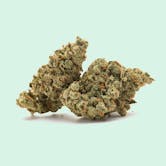
Kentucky Bluegrass can carry a soft lemongrass finish beneath the sweet fruit. Flowers described under the name include elongated, dusty-green buds with fine orange pistils and amber-tinged trichomes, though appearance can vary between versions. Berry takes the lead, while tart and earthy notes keep the jar from smelling like straight preserves.
Users describe a cheerful headspace and an increasingly comfortable body. Some report that creativity and conversation keep flowing as physical relaxation settles in; others emphasize the deeper wind-down. The appeal reads like porch-session weed: enough attention left for the conversation, little ambition left for the yard work. Let somebody else cut the grass.
PONO lists its Kentucky Bluegrass as regular photoperiod seed stock with an eight-to-ten-week flowering window. Growers starting from that release should plan to identify plant sex. The listing does not establish mature height, measured yields, or a dependable outdoor harvest date.
Revolution’s selected cultivar lacks a confirmed public breeder grow sheet in the available material. A secondary profile gives 54–64 days of flowering, but does not clearly establish which release those figures describe. Treat that window as provisional rather than applying it to both versions.
For either release, confirm the source before planning canopy space or harvest timing. The documented difference in ancestry means seed format, growth habits, and cannabinoid results should stay attached to the corresponding version. Airflow, branch support where needed, and training suited to the actual plant are sensible general practices.