Honey Pot
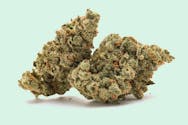
Origin 1: Ziplock Seeds developed its 60/40 sativa-leaning version in Hawaii for the Sensi Seeds Breeding Grounds project, crossing (Sade × Pomegranate Spritzer) with Fruity Juice. Berries and tropical fruit crowd the nose, with tart citrus and peppery herbs cutting through the sweetness. Small, dense buds wear orange pistils and a thick resin coat. This is the golf-ball flower with extraction appeal; no firm THC range accompanies the breeder’s specifications.
Origin 2: Michigan-market flower sold under Candela lists Sex Grenade × Thelonious Skunk. The original breeder remains unconfirmed. Also marketed as sativa-dominant, this version takes the sweeter route with a butterscotch note. A consistent THC range is not established, so Ziplock’s fruit profile and grow schedule do not automatically come with this jar.
Origin 3: Happy Bird Seeds’ Honeypot is an F2 autoflower from Voilà RBX × Purple Panty Dropper. The breeder lists 24–28% THC and citrus, berry, and honey flavors, with many plants fading purple late in flower. Same sweet name, different clock.
The descriptions across these versions favor an upbeat start: creative and social for Ziplock, energetic for the Michigan offering, and happy, euphoric, and dreamy for Happy Bird. Ziplock also describes a softer body finish without pronounced sedation. These are breeder and seller accounts, not a shared reviewer verdict. Pick the pedigree before planning the session.