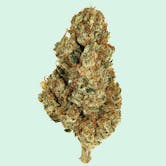
Dnl
DNL keeps its name short and its family business complicated. Its reported lineage combines RFK Skunk and Hawaiian, then crosses that pairing with Northern Lights. The original breeder remains unconfirmed. This is an older underground line whose reputation travels through family trees more often than dispensary menus.
One account of Sour Diesel’s origin places DNL on the pollen side of a cross with Original Diesel. That connection remains part of a disputed history, not a settled propagation origin. Top Dawg Seeds subsequently used DNL in named breeding projects, but those descendants don’t make the company the confirmed creator of the original. Three letters, plenty of extended family.
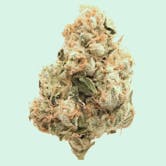
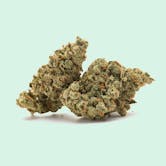
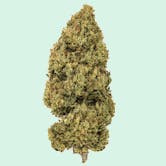
The flavor leans toward sweet tropical fruit and citrus, with skunky lemon roughing up the edges. Aromatic descriptions put pungent skunk and earth ahead of any fruit-bowl politeness, sometimes adding sour fuel and spice. Think tropical fruit with questionable company. Descriptions of the flower favor small, fluffy, diamond-shaped green buds, reddish-orange hairs, and pale golden frost, although an authenticated cut matters more than a matching color palette.
Reports from the smoke circle lean cheerful and giggly at first, with conversation giving way to deeper physical relaxation and possible sleepiness. Direct user accounts are too scarce to call that a reliable consensus. Taken as a reported profile, the appeal is familiar: a little social lift, then less interest in keeping the evening moving. The name is abbreviated; the wind-down may take its time.
DNL is documented for indoor and outdoor cultivation, but no confirmed original-breeder grow sheet establishes a dependable schedule. Published flowering estimates run from 55–60 days to 9–10 weeks. That disagreement should remain visible rather than becoming a promised harvest date.
One seed-bank overview lists outdoor plants exceeding 6 feet, with 1.5–2 pounds of cured flower per plant. Those figures lack corroborated grow records and shouldn’t serve as production targets. Reliable indoor yield, outdoor harvest timing, and current seed format remain unconfirmed.
DNL 18, DNL BX, and other named descendants require their own cultivation specifications. For original DNL stock, the supplier’s completed flowering records are more useful than borrowing a descendant’s schedule.