- Earthy (42% of reported flavors)
- Flowery (33% of reported flavors)
- Chemical (25% of reported flavors)
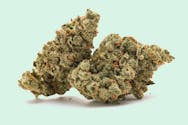
Origin 1: Purple Caper Seeds created the version most commonly sold as Cherry Cookies by crossing GSC with Cherry Pie. Ripe cherry and mixed berry lead the aroma, followed by musky earth, wood, floral notes, and a pungent Cookies finish. The flavor carries the same fruit-forward character, with tart cherry and tangy berry cutting through the heavier Kush-like base.
Origin 2: Relentless Genetics developed Cherry Cookie, singular, by crossing the GSC Forum Cut with a Fire OG BX1 male. The breeder credits the strain with helping put Relentless Genetics on the map and describes its defining profile as cherry gas funk. Its Fire OG background pushes the aroma toward fuel, earth, and Kush while preserving the sweet cherry character associated with the name. Despite the nearly identical spelling, Cherry Cookie is not an alternate name for Purple Caper Seeds’ Cherry Cookies.
Origin 3: Pure Instinto offers another indica-dominant Cherry Cookies bred from Cherry Pie and GSC. Although it shares the same broad parent combination as Purple Caper Seeds’ version, it comes from a separate breeding program and represents its own selection. This line emphasizes sweet and tart cherry, baked sweetness, earth, and resin, with dense flowers that may develop purple or reddish coloration.
Across these breeder lines, cherry and berry remain the common threads, backed by earth, spice, baked sweetness, wood, or gas depending on the cultivar. Fans generally report a happy cerebral lift followed by a calmer, heavier body feel, but the balance can shift considerably between genetics, phenotypes, and individual batches.


