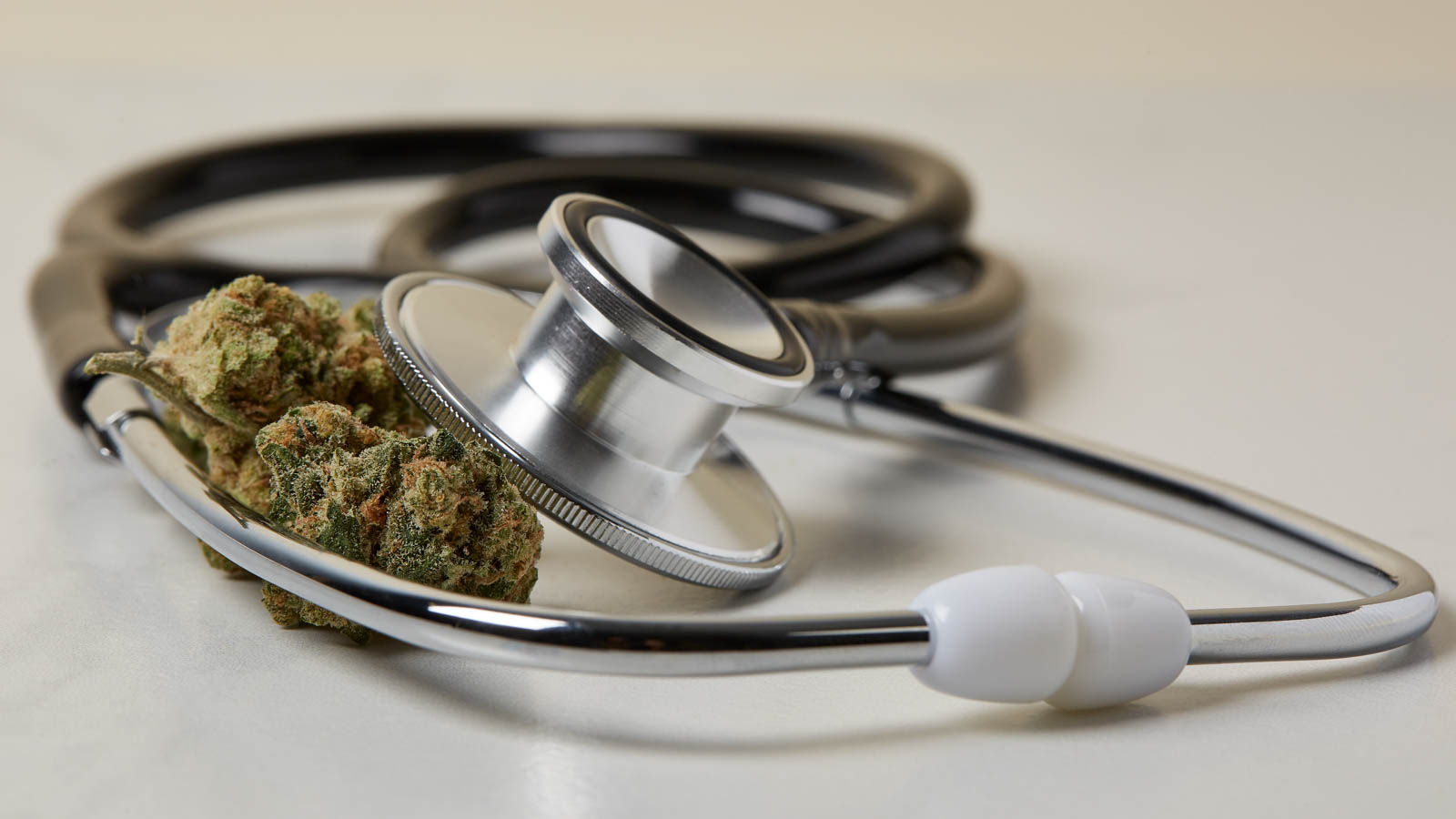
Do medical marijuana patients pay taxes on cannabis? In many states, registered medical marijuana patients pay lower taxes than recreational consumers and may be exempt from certain cannabis excise taxes. However, most medical cannabis purchases are still subject to standard sales tax, and the exact tax rules depend on the state's cannabis laws.
 Photo by: Gina Coleman/Weedmaps
Image lightbox

One of the most common arguments for legalizing cannabis is tax revenue. States with legal marijuana markets generate billions through cannabis taxes, especially through excise taxes placed on recreational cannabis sales.
For occasional recreational consumers, these taxes may not feel significant. But for medical marijuana patients who rely on cannabis as part of a daily treatment plan, the added cost can become a serious financial burden. Patients managing chronic pain, disability, or other qualifying conditions may purchase cannabis regularly, meaning taxes can add up quickly over time.
Cannabis taxes explained
Whether medical marijuana patients pay taxes depends largely on the state they live in and how that state structures its cannabis program. In some places, medical patients receive tax exemptions or reduced rates. In others, medical cannabis purchases are taxed similarly to recreational cannabis.
 Photo by: Gina Coleman/Weedmaps
Image lightbox

Most legal cannabis purchases may include one or more of the following:
- Excise tax – A cannabis-specific tax applied to marijuana products, often as a percentage of the retail price
- Sales tax – The standard state tax applied to most retail transactions
- Local jurisdiction tax – Additional taxes imposed by cities or counties where cannabis businesses operate
Unfortunately, no one is exempt from paying sales taxes on cannabis, as that is simply a state protocol and standard with any transaction. Local jurisdiction taxes depend on the county or city where the sale is taking place. During the process of legalization, many counties, towns, and cities chose to adopt a local tax in addition to the state excise tax. In certain states, such as Nevada and Colorado, a cultivator tax may also be imposed in addition to the other fees.
Some states also impose taxes earlier in the supply chain, such as cultivation or wholesale taxes. These costs are typically passed on to consumers through higher product prices.
Do medical marijuana patients pay taxes or qualify for exemptions?
In many states, medical marijuana patients receive reduced taxes or exemptions from certain cannabis taxes, particularly excise taxes. However, most patients still pay standard sales tax, since it applies broadly to retail purchases regardless of product type.
States with both medical and recreational cannabis programs often provide meaningful tax advantages for registered patients. For example:
- California: Medical patients with a valid identification card may be exempt from excise and some local taxes, though sales tax may still apply
- Colorado: Medical cannabis products are typically taxed at lower rates than recreational products
- Illinois: Medical patients are exempt from the state's cannabis excise tax, which can reach up to 25% on high-THC products for recreational buyers — a significant savings for daily patients
- Arizona: Medical cardholders are exempt from the 16% adult-use excise tax, paying only standard sales tax on purchases
Because these rules vary widely, patients should always check state and local regulations to understand their specific tax obligations.
 Photo by: Gina Coleman/Weedmaps
Image lightbox

Medical marijuana card fees
Even in states that offer tax exemptions, medical cannabis programs usually require patients to pay certain fees, including:
- Physician consultation fees
- Application fees for a medical marijuana identification card
- Renewal fees to maintain active registration
Depending on how frequently a patient purchases cannabis, the savings from tax reductions may offset these upfront costs over time. For regular consumers, a medical card can potentially save hundreds or even thousands of dollars annually.
Recreational cannabis taxes
Every state with legal recreational cannabis sales applies some form of cannabis-specific excise tax. The only exception is Washington, DC, where recreational cannabis possession is legal, but retail sales are not permitted under federal law.
 Photo by: Gina Coleman/Weedmaps
Image lightbox

- State excise taxes
- Standard sales tax
- Additional local taxes
These taxes often stack, making recreational cannabis significantly more expensive than medical cannabis for qualified patients.
Ways medical marijuana patients can reduce cannabis costs
Medical cannabis can be expensive, especially for patients who rely on it daily. Fortunately, there are several ways to reduce overall costs:
- Ask your budtender about a savings program. Some dispensaries offer a savings program for regular customers. So, if you spend a certain amount or visit the store a certain number of times, you may receive a discount.
- Keep an eye out for sales. Many dispensaries offer sales during holidays, especially cannabis-friendly holidays such as 4/20 and 7/10, but also holidays like the 4th of July or Thanksgiving.
- Buy in bulk. If you know your needs and want to maximize your spending, buy a large amount of cannabis ahead of time. State regulations limit the amount of cannabis you can buy, but there are often good deals on purchasing an ounce of cannabis flower at a time, and you may save on a cultivator's fee.
- Grow your own cannabis. This may be a no-brainer for some, but growing your own marijuana is a great way to save money. Growing your own does require a great deal of patience, time, and effort, however. Start by reading our introduction to cannabis cultivation and see if a home grow might be a good option for you.
Bottom line
An unfortunate reality of being a medical marijuana patient is the cost of keeping up with your daily needs and medication. However, there are programs and organizations fighting for greater, more affordable medical marijuana access.
Research and compare local dispensaries and check in with your state's Department of Public Health to see what unique rules and exemptions there are in your area. Use all of the resources available in your state and local jurisdiction to make sure your cannabis needs are being met, and your medical conditions are being treated appropriately.
Featured image by Gina Coleman/Weedmaps