 Photo by: Gina Coleman/Weedmaps
Image lightbox

Put the victory blunt down for a second — before anyone starts celebrating federal legalization, understand this: cannabis has not yet been officially rescheduled. However, for the first time in more than 50 years, it is in the middle stages of a historic shift from Schedule I to Schedule III under the federal Controlled Substances Act (CSA).
This isn't legalization or open interstate weed lanes — it's a structural reclassification that changes how cannabis is categorized, taxed, researched, and regulated at the federal level.
If finalized, it would mark the most significant federal cannabis policy shift in more than five decades.
Here's what would actually change.
How the federal cannabis rescheduling process works
Rescheduling a controlled substance requires formal federal rulemaking. After the U.S. Department of Health and Human Services completed its scientific and medical review and recommended moving cannabis to Schedule III, the Drug Enforcement Administration began the rulemaking process required to change its classification under the Controlled Substances Act.
That process includes:
- HHS / FDA scientific review
- DEA proposed rule published in the Federal Register
- Public comment period
- Potential administrative hearings
- Final rule published in the Federal Register
Only after a final rule is published would cannabis officially move from Schedule I to Schedule III.
What Schedule III means under the Controlled Substances Act

Image lightbox

The Controlled Substances Act places drugs into five schedules based on their accepted medical use, potential for abuse, and risk of dependence.
Schedule I substances are defined as having no accepted medical use and high abuse potential. Schedule III substances are recognized as having accepted medical use and a moderate to low potential for physical dependence or high psychological dependence. Other Schedule III drugs include ketamine and certain anabolic steroids.
If cannabis moves to Schedule III, the federal government would formally acknowledge that marijuana has accepted medical use, though that does not mean dispensary cannabis products become FDA-approved medicines. That language shift has regulatory weight — courts, agencies, and financial institutions rely on classification when determining enforcement posture.
How cannabis rescheduling would change federal taxes (280E Explained)
This is the headline impact for the industry. Currently, Internal Revenue Code Section 280E prevents businesses trafficking Schedule I or II substances from deducting ordinary operating expenses.
If cannabis becomes Schedule III, 280E would likely no longer apply.
State-licensed cannabis businesses could deduct:
- Payroll
- Rent
- Utilities
- Marketing
- Administrative expenses
For dispensaries and multi-state operators, that dramatically changes effective tax rates and operating margins. Rescheduling doesn't immediately change what consumers buy — but it could reshape the economics of the legal cannabis industry.
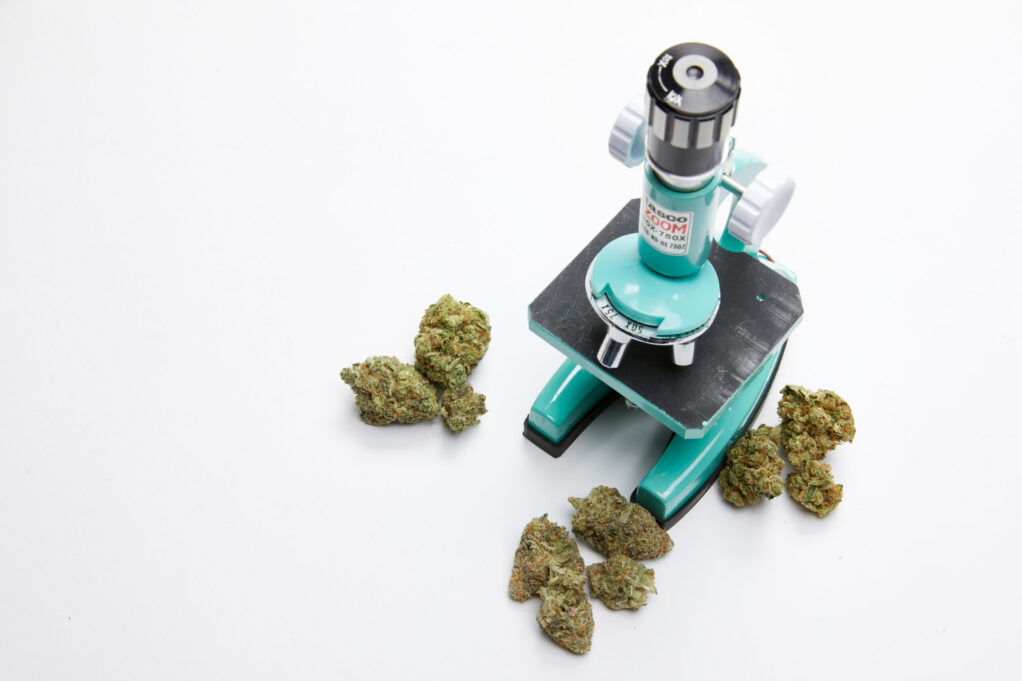
How Schedule III would affect cannabis research and clinical trials
 Photo by: Gina Coleman/Weedmaps
Image lightbox

Schedule I status creates heavy research barriers. Institutions must navigate layered federal approvals and strict sourcing requirements. Rescheduling to Schedule III would streamline registration requirements and reduce administrative friction.
That could lead to:
- Expanded clinical trials
- More university-led cannabinoid research
- Increased pharmaceutical investment
- Greater clarity in dosing and formulation studies
It would not eliminate federal oversight. It would normalize cannabis research within existing controlled substance frameworks.
Would cannabis become federally legal under Schedule III?
No. Rescheduling is administrative. Legalization requires Congress. Even if moved to Schedule III, cannabis would still:
- Remain a controlled substance
- Carry federal criminal penalties
- Interstate commerce would likely remain restricted under existing federal law
State adult-use markets would continue operating in tension with federal law.
Schedule III changes classification — not prohibition.
Would you need a prescription to buy cannabis?
Not automatically. Schedule III substances can be prescribed when approved by the FDA. That does not mean dispensary cannabis instantly becomes prescription-only. State-regulated medical and adult-use systems would continue operating unless Congress restructures federal cannabis law more broadly.
Rescheduling affects federal recognition. It does not dissolve state markets.
How cannabis rescheduling could impact banking and institutional access
 Photo by: Gina Coleman/Weedmaps
Image lightbox

While rescheduling does not automatically fix cannabis banking restrictions, it shifts federal posture.
Financial institutions evaluate risk based on federal classification. Moving cannabis out of Schedule I weakens the argument that the industry operates without recognized medical legitimacy.
That shift could influence:
- Banking relationships
- Institutional investment
- Insurance underwriting
- Capital market participation
Rescheduling does not pass banking reform — but it changes the tone of federal risk assessment.
What Schedule III would mean for cannabis consumers
For most consumers, daily purchasing would not immediately change.
You would still:
- Buy from licensed dispensaries
- Follow state possession limits
- Comply with local regulations
The biggest changes would happen behind the scenes — in taxation, research expansion, and federal acknowledgment of medical use.
If you're unsure how federal headlines interact with local rules, review cannabis laws by state before assuming anything changes overnight.
The bottom line on cannabis rescheduling
If cannabis becomes a Schedule III substance, the immediate effects will be economic and scientific.
280E tax restrictions would likely stop applying to cannabis businesses, research pathways would expand, and federal language would recognize accepted medical use.
What would not happen:
- Nationwide recreational legalization
- Automatic interstate cannabis sales
- Instant prescription-only dispensaries
Schedule III would represent a recalibration of federal posture. Legalization would still require Congressional action. And until a final rule is published, cannabis remains a Schedule I substance under federal law.
While rescheduling cannabis would be historic...it just wouldn't be the finish line.
Order flower for pickup or delivery from a dispensary near you.