Origin 1: The version most people run into today traces to a three way cross of Super Lemon Haze, Blue Satellite 2.2, and Silverback Gorilla. This cut became Oregon's best selling cultivar after what growers describe as a happy accident in the breeding room. Crack a jar and you'll catch bright lemon and ripe kumquat up front, with a citrus heavy profile that leans clear headed and focused rather than heavy bodied.
Origin 2: An older seed line from Flying Dutchmen is classified simply as indica/sativa, sold only as feminized seed, with a 55 to 70 day flowering window. Public sourcing on its exact parentage is thin, so any specific lineage claim for this version should be treated with caution.
Origin 3: Keys to the Kingdom bred a separate Voyager entirely, crossing Sour Diesel (AJ's cut) with Grateful Breath (East Coast cut). The breeder leans hard into the Sour Diesel side, describing a lemon fuel nose layered with basil, sweet onion, and herbal complexity. This lineage traces back through Chemdawg, Northern Lights, Cherry Pie, and OG Kush, genetics with nothing in common with the other two origins. Flower time runs 9 to 10 weeks with a reported large yield.
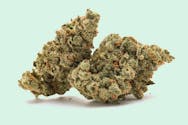
Reviewers of the modern cut describe a clear headed, cerebral lift rather than a heavy body load, with a focused, motivated headspace that eases into mellow relaxation as the session winds down. The buds back up the reputation: dense, chunky flowers wrapped in bright orange pistils under a heavy coat of frosty trichomes.


