Trash Panda
Origin 1: The older Trash Panda is commonly attributed to Panda OG crossed with Trash Kush. Often described as a 70% indica and 30% sativa hybrid, this version typically tests around 22–23% THC. Ripe berries, citrus rind, mint, and earth hit first, followed by pungent diesel and a spicy finish that brings the funk promised by the name.
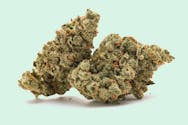
Smokers describe a slow-building euphoric lift that settles into a happy, deeply relaxed state. Some also report a tingling body feel and an increased appetite as the experience develops. The buds are commonly described as dense and grape-shaped, with forest-green coloring, golden undertones, orange pistils, and prominent trichome coverage.
Origin 2: Freedom Road sends Trash Panda down a completely different genetic alley, crossing Super Boof with Milk ’N Cookies. The company classifies its version simply as a hybrid. One published batch tested at 21.7% THC with 2.18% total terpenes, led by limonene, linalool, and beta-myrcene.
This version reportedly swaps berry, mint, and diesel for sweet vanilla, nutty dough, funky citrus, and an earthy dessert finish. Consumers describe an early happy, giggly, and creative buzz that gradually settles into a cozy, deeply relaxed body experience.
Same mask, different animal. Check the producer before assuming which Trash Panda landed in the jar.


