Toronja
Origin 1: Bred by Purple City Genetics, released as part of the 2023 El Krem Collection. A cross of Face Melt (itself Grapefruit Chem x THC Bomb) with GovernMint Oasis. "Toronja" is Spanish for grapefruit, and this cut earns the name — tart rind hits first, then it settles into earthy diesel and a faint clove spice on the exhale.
Origin 2: Bred by AntiStressCrew, sativa-leaning, genetics kept close to the chest — described only as carefully selected sativa and landrace stock. Runs lower in THC than the Purple City Genetics version, and shares little beyond the grapefruit-forward citrus punch and, well, the name.
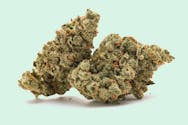
Classification's a mess too — some listings call either origin sativa-leaning, others call it indica-dominant, so expect the version at your local dispensary to reflect its specific cut and breeder rather than any universal rule. Fans of the strain describe an energetic, uplifting onset that pairs well with creative projects or social situations, mellowing into a focused calm without heavy sedation. Visually, the buds are dense and heavily frosted, often showing deep purple hues beneath a thick coat of resin that makes them look almost lacquered in trichomes.
A note on naming confusion: Don't confuse Toronja with Toronjaz (with a Z), a separate sativa-leaning strain from Black Tuna Seeds — close enough to mix up on a menu, worlds apart in the jar.


