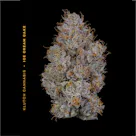
Sour Lifesaver
Sour Lifesaver throws sweet fruit a lifeline, then drags it through the funk. Bred by B.O.G. Seeds, the Bushy Old Grower behind both parents, it crosses Lifesaver with Sour Bubble. This is an inside-the-family pairing: BOG wanted Lifesaver’s qualities alongside Sour Bubble’s flavor, potency, and tightly packed flowers. Both sides had already earned a place in his garden before they shared a seed pack.
The flavor swings between tart berries, sweet cherry, and sugary fruit, while the nose brings herbs, spice, earth, and a diesel undertone. Some selections lean especially sweet; others let the sour, earthy side speak louder. That contrast gives Sour Lifesaver its bite. The fruit gets your attention, but the funk is what keeps you hovering over the jar for another sniff.
Flowers tend toward small, compact clusters, with mint-green coloring, fine orange pistils, and a coating of tiny white trichomes. The structure follows the breeder’s emphasis on Sour Bubble’s density: tightly packed flower with plenty of frost tucked into the folds.
Reviews from the smoke circle describe uplift and creativity, with some users finding considerably more energy than the indica label suggests. Other accounts favor deep physical relaxation and a sleepy finish, and BOG himself emphasized the cross’s heavier side. Sour Lifesaver can keep the ideas circulating even when the rest of you has clocked out. Just don’t mistake the bright fruit flavor for a promise of a productive afternoon. Depending on the cut and the session, that brilliant idea may remain a voice memo.
Sour Lifesaver was released as regular seed for indoor and outdoor cultivation, so seed-grown plants need to be identified by sex. BOG’s original description gives 48–53 days of flowering; seed-bank listings also give 56–63 days. Keep those distinct estimates in mind when planning a run, and assess the actual plants before choosing a harvest date.
Growers have reported slow vegetative growth and limited flowering stretch in some selections. One established grower described a light-feeding plant with low-to-medium yield and sensitivity to pH problems. Those observations belong to a particular phenotype, but they make a useful case for allowing enough vegetative time instead of expecting flowering stretch to fill an undersized canopy.