hybrid
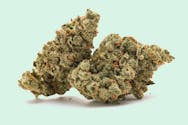
Papaya Candy
aka Papaya CNDY
Papaya Candy is an indica-dominant hybrid strain created by Purple City Genetics and Atlas Seed, crossing Papaya Bomb with Cotton Candy. The Papaya Bomb parent carries a complex lineage tracing back through Papaya (a Jack Herer, Skunk #1, and Kush cross) and THC Bomb, giving this cultivar deep genetic roots in classic indica stock. It's a strain that leans heavily into tropical fruit territory on the nose, with ripe papaya and citrus zest layered over an earthy, slightly peppery base. Myrcene leads its terpene profile, reinforcing that lush, musky depth beneath the fruit-forward aroma.
Fans of the strain frequently describe the experience as deeply relaxing without full sedation, noting waves of euphoria and an uplifted mood that can spark creative energy before settling into calm contentment. The buds themselves are oversized and spade-shaped, dressed in forest green with dark purple undertones, thin orange pistils, and a fine layer of purple-white trichomes. Fans of the strain also mention increased appetite as a consistent effect, making it a popular pick for evening sessions when winding down feels like the priority.
Papaya Candy is a beginner-friendly strain that stays compact and well-branched indoors with medium internodal spacing, making it a good fit for growers who don't have a ton of vertical room or experience dialing in a perfect environment. Outdoors, it can stretch considerably and thrives in warm Mediterranean climates where temperatures hold between 70–85°F. The dense bud structure and good mold resistance mean you'll want to keep humidity around 40–50% during flower but won't need to stress over every fluctuation. This strain forgives common watering and lighting mistakes without punishing your yield, and growers often report harvests around 400–500 g/m² indoors when conditions stay consistent through the 60–63 day flowering window. Most of the weight packs on in the final ten days, so patience pays off. Expect bright green flowers coated in white frost with blood orange hairs at maturity, and some phenos will throw purple hues if nighttime temps dip during late flower. Nutrient sensitivity runs low to moderate, so there's no need to tiptoe around your feeding schedule.
This content is for informational purposes only.


Browse Strains A to Z