hybrid

Origin 1: Archive Seed Bank crossed the Ohio cut of Lemon G with I-95, creating a 60/40 sativa-dominant hybrid that reportedly tests above 30% THC. This version comes in loud, hammering sour lemon candy into skunky fuel with a nose that carries across the room.

Origin 2: Unicorn Boy Genetics took a different route, combining Durban Poison, Citrus Farmer, and Sweet Fire Lemmnesia. Also sativa-dominant, this version trades heavy fuel for fruit, leading with sour lemon before fading into tropical sweetness and an earthy finish.

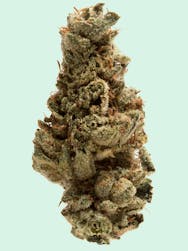
Either way, this hybrid leans hard into its name, with a super sour lemon nose wrapped in fruity, earthy undertones. The flavor follows through with bright citrus and a tropical edge that lingers past the exhale.

The experience skews energetic. Reports surrounding the two Lemon Peel versions overlap around a quick, clear-headed lift, stronger motivation, and chattier social energy, making the name a common daytime pick. Some fans say the buzz can power a long to-do list, though its heady intensity may feel sharp for newer consumers.

Verified cultivation data for Lemon Peel is limited, so it's best treated as a strain for growers who already know their way around a garden. It can be grown indoors, outdoors, or in a greenhouse, and breeder listings for the Unicorn Boy Genetics version put flowering at roughly nine weeks (around 63 days). Primary databases don't publish reliable plant-height or yield figures for this cultivar, and seed availability is inconsistent: one source lists it as never released in feminized form while another lists a feminized release, so it's worth confirming seed stock directly with the breeder before you buy. Because it consistently tests as a high-potency cultivar, it lands more with experienced growers chasing its sharp citrus aroma than with first-timers.
This content is for informational purposes only.