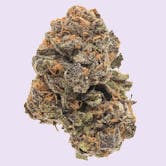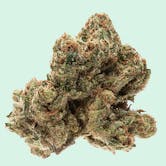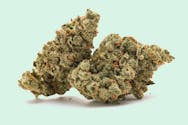
- Earthy (36% of reported flavors)
- Grape (36% of reported flavors)
- Pine (27% of reported flavors)
Origin 1: Loompa Farms. Loompa Farms crossed Foo Dog, an OG Kush variation, with the clone-only Frost Berry Blast. This branch is expected to produce short, broad-leaf plants with a profile of pungent earth, sweet herbs, fruit, pine, and lemon. Reliable effects data for this version remains scarce.
Origin 2: Third Eye Genetics. Third Eye Genetics built its Harambe from a Grape Ape mother and a father combining GG4 with Jet Fuel G6. This mostly indica version is associated with sour earth and pungent spice, followed by grape and herbal notes.
Origin 3: Ethos Genetics and Harambe Glue. Ethos Genetics released a separate Harambe made from Original Glue, Citral Skunk, and Black Fire. Its profile runs hard into diesel and citrus, while the flower is known for thick trichome coverage and heavy resin production. Canna America sells this same genetic package as Harambe’s Glue. Megaleaf also offers a resin-heavy Harambe Glue with diesel, citrus, and earthy notes, but its published description only connects the flower to Original Glue genetics. Harambe Glue should therefore be treated as an origin-specific market name rather than an alternate name for every Harambe.
Origin 4: Uncredited retail version. Another Harambe circulating through product listings is described as GG4 crossed with OG Kush. This is the branch behind the spicy grape, sour earth, dank herb, and pungent gas profile. Reports describe a tingly euphoric opening that drops into heavy, long-lasting physical relaxation. Products explicitly named Harambe OG should remain separate entries even when their parentage overlaps.
Taken together, Harambe is a shared tribute name stretched across several unrelated cultivars. Lineage, potency, aroma, and effects should always follow the identified origin instead of being flattened into one composite profile.
With several Harambe cuts in circulation, the experience can swing hard depending on which one lands in the jar. Some reviewers describe an energetic, creative spark that feels social and upbeat, while others report a tingly euphoric rush that gathers weight and melts into deep physical relaxation or outright couch-lock. The flavor moves with the genetics, jumping from bright citrus and diesel to sour earth, pine, grape, and peppery herbs. Check the breeder or listed lineage before buying, because the Harambe name alone cannot tell you which ride you are getting.