Origin 1: The version most widely available at retail, bred by Lit Farms, crosses Sundae Driver (itself FPOG × Grape Pie) with Cherry Dosidos F2 — a cross created by breeder Tristan Langwinski (Midwest Best) using Archive Seed Bank's Dosidos with a clone called "The Cherry" (Grandaddy Purple × Cherry Pie) from Dungeon Vault Genetics.
Origin 2: A separate cross of High School Sweetheart and Wedding Crasher, with no breeder confirmed by available sources.
Origin 3: A third version sold as seed stock by Captain Seeds, with no breeder credited, listed as a cross of Cherry Pie and Gushers.
Across versions, expect a bold cherry aroma layered with creamy, earthy undertones and hints of warm dough. The flavor follows through with ripe fruit up front and a gassy, herbal finish that sticks around on the exhale.
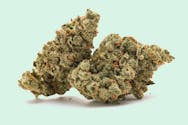
Consumers who've tried Cherry Pop Tart often report an initial rush of euphoria and uplift that gradually settles into a relaxed, full-body calm. Reviewers frequently describe a tingly sensation that builds over time, and fans of the cultivar note it can spark focus and creativity before easing into a mellow, laid-back headspace. The buds themselves tend to run dense and compact, showing off deep purples and forest greens threaded with bright orange pistils and a generous coat of frosty trichomes. Three crosses, one toaster — check the box before you buy the jar.