- Spicy/Herbal (39% of reported flavors)
- Earthy (33% of reported flavors)
- Chemical (28% of reported flavors)
The first problem with Black Runtz is how good it tastes. The second is deciding whether another bowl sounds reasonable.
Black Runtz brings sour berries, creamy citrus, and dark, resin-heavy flower to the Runtz family. Its name covers more than one genetic account, so the purple buds alone won’t tell you which version landed in your jar.
Origin 1: Big Boss Farms in British Columbia is credited with a Black Runtz made from Black Diamond Sherbert × Runtz. That account describes an indica-leaning hybrid with sugary citrus and mint in its aroma and flavor. Public breeding records are limited, so the attribution is better established than the finer details of the selection.
Origin 2: Other descriptions identify Black Runtz as a dark selection of the original Gelato × Zkittlez cross. This version is associated with sweet berry flavor, creamy citrus aromas, and THC around 24%. Later seed offerings carry their own potency claims, including figures above 30%; those numbers don’t apply to every Black Runtz cut.
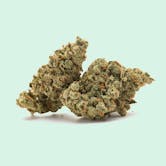
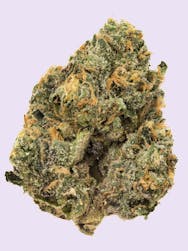
The flower commonly shows deep green and purple coloration, orange pistils, and a generous trichome coat. Sour fruit leads, with floral, earthy, or gassy notes depending on the selection. Plenty to appreciate before you even light it, provided your friend stops squeezing the best nug.
Those who keep this one in heavy rotation describe a happy, euphoric high with relaxation that can get considerably heavier as the session goes on. Some find it sociable or even a little flirty; others end up sleepy. The conversation starts strong. Whether anybody finishes the story is between the batch and that second bowl.
Black Runtz seed offerings commonly list flowering periods around eight to ten weeks. Plants can grow vigorously and develop substantial branching, with dense colas and darkening foliage as flowering progresses.
Published figures vary between breeders. Zamnesia advertises approximately eight to nine weeks of flowering and indoor yields up to 500 g/m² for its offering. Other releases list different heights and yield potential, so these specifications shouldn’t be treated as universal characteristics of the original cut.