
Over the past few decades, scientists have made great strides in understanding how THC, CBD, and other cannabis products impact our bodies — including the way those products affect our sleep.
And while many studies have been done on cannabis' effects on the body, there's one thing we can definitively say about cannabis and sleep: There's still plenty to learn.
After all, the body's endocannabinoid system (ECS) is complicated, and to complicate things further, so are circadian rhythms and sleep-wake cycles. Add the reality that conducting peer-reviewed research on cannabis has historically been challenging, and it can be difficult for the average user to get clear answers.
So, what does all this mean for you?
Well, if you've been considering using cannabis products like THC gummies as a sleep aid, we've done some of your homework. We reviewed leading research and chatted with a behavioral pharmacologist to better understand why weed serves as a useful sleep-aid — and, in some cases, why it doesn't.
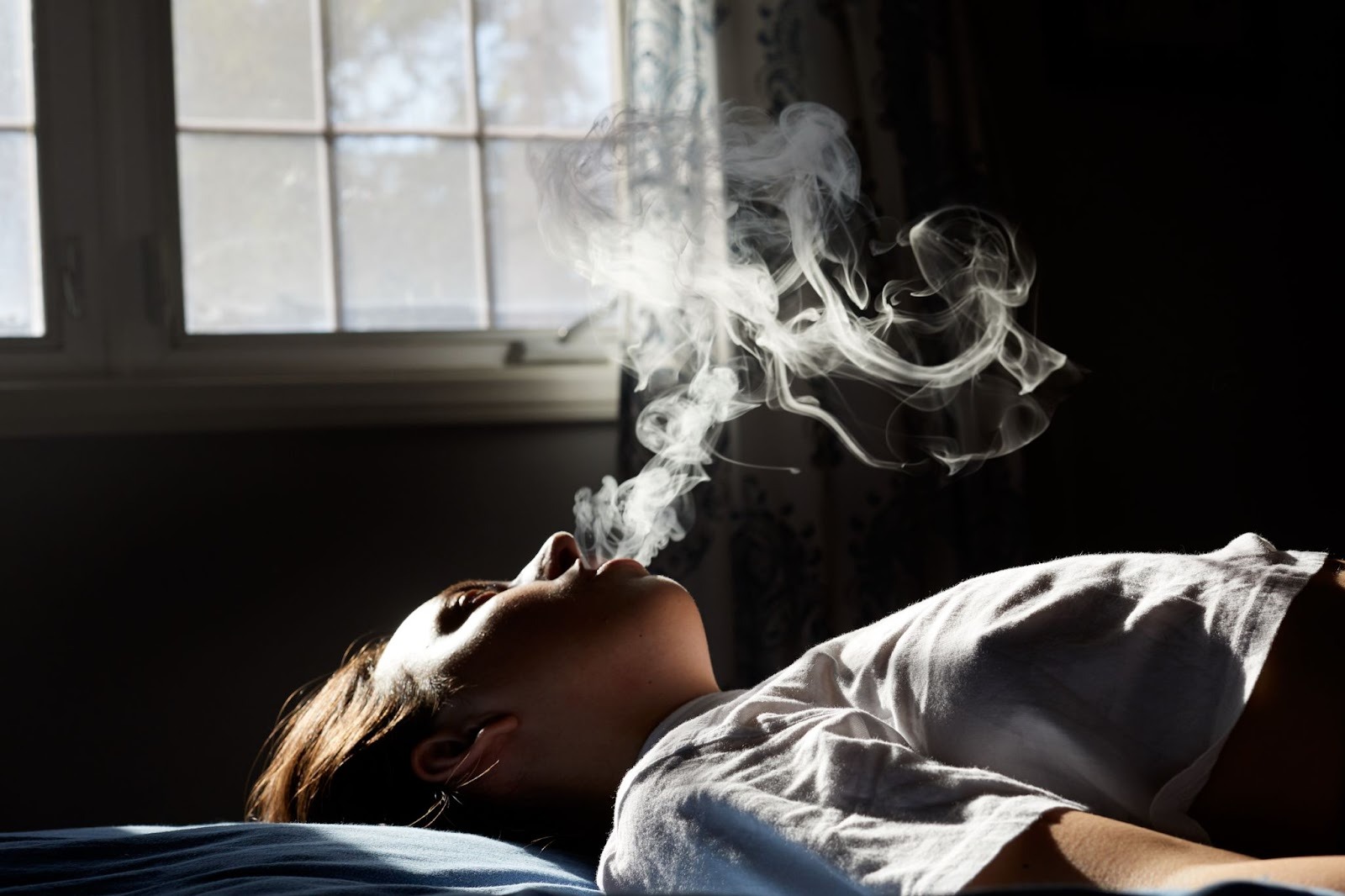
Photo by Gina Coleman/Weedmaps
Image lightbox

Cannabis and sleep quality: what the science says
It is generally understood that tetrahydrocannabinol (THC) — the psychoactive compound in cannabis — can be a helpful sleep aid when used in acute instances.
“Acutely, THC can do a lot of very favorable things for sleep,” says Ryan Vandrey, a behavioral pharmacology professor at Johns Hopkins University who helps run the school's Cannabis Science Lab.
A 2020 review published in the Frontiers in Neuroscience notes that researchers have found THC to be an effective hypnotic. In other words, it helps you fall asleep and stay asleep. But it also decreases REM sleep — the period when dreaming occurs, and memories are formed. This has been shown to be particularly helpful for those who struggle with PTSD or have frequent nightmares.
However, the benefits of using THC as a sleep aid can wear off when you use it every single night. Chronic users typically develop tolerance to THC, at which point its usefulness as a sleep aid diminishes. Moreover, if chronic users stop using THC, their sleep might get worse.
In that way, it's not unlike other sleep remedies, Vandrey says.
“It's only in very rare circumstances that a sleep medicine specialist would recommend use of any medication chronically long term to manage any sort of sleep problems,” he says. “If people are smoking every night, taking their gummy every night, you develop tolerance to the sleep-promoting effects. You have adaptations in your brain. Then if you go a night without cannabis, you're not sleeping.”
How cannabis supports sleep through natural body systems
Two natural systems help us understand how cannabis impacts sleep:
First is the endocannabinoid system (ECS), which helps maintain homeostasis in response to internal or external changes, such as stress. With receptors throughout the body, the ECS helps create balanced messaging, and as THC binds directly to these receptors, it augments the body's ability to regulate itself.
The second system is the body's circadian rhythm and natural sleep pressure. Your circadian rhythm is essentially the brain's 24-hour master clock controlled by a small part of the brain called the suprachiasmatic nucleus. Influenced by light and darkness, it emits rhythmic signals of activity during the day and of inactivity at night.
While your circadian rhythm is the reason you feel sleepy when it gets dark, your sleep-wake cycle is also influenced by sleep pressure — specifically, a chemical in the body called adenosine. As adenosine builds up throughout the day, you start to feel tired.
Studies have shown that cannabis can play a role in both regulating the circadian rhythm and increasing adenosine signaling. These factors are among the reasons cannabis might help you fall asleep faster and stay asleep throughout the night.
The endocannabinoid system and sleep regulation
Even when THC or other cannabis products do not augment it, the ECS plays a critical role in maintaining a healthy sleep-wake balance.
The ECS impacts various processes related to sleep-wake cycles, including temperature regulation, mood, and sensory perception. In fact, ECS receptors are even present in the part of the brain that controls the circadian rhythm.
Moreover, endocannabinoids — and the enzymes that break them down — have their own cycles, not unlike a circadian rhythm. When your ECS is functioning properly, it helps signal to your body when it's time to be awake and when it's time to sleep. As a result, the ECS is closely linked to sleep onset, duration, and the natural cycles that occur during sleep.
“Our body will naturally release a flush of cannabinoids right before it's time for bed,” said Dr. Riley Kirk, a cannabis research scientist, educator, and advocate, in a video she produced with Weedmaps. Using cannabis to enhance this system can be incredibly helpful for people who struggle with sleep, she added.
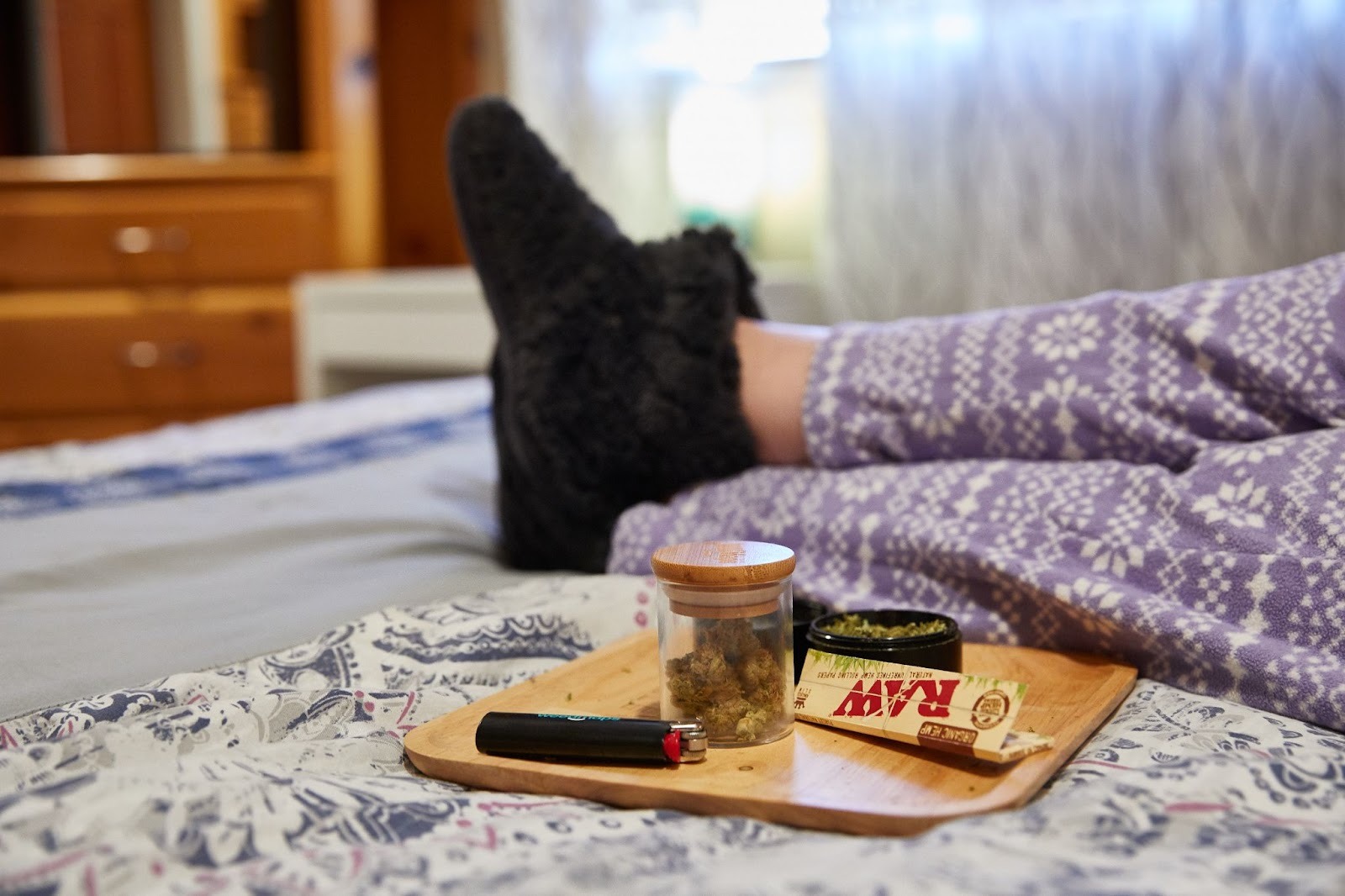
Photo by Gina Coleman/Weedmaps
Image lightbox

Circadian rhythm and cannabis: a biological clock connection
Because the body's natural clock and the ECS both have rhythmic properties, disruption of either system can lead to a lack of healthy, consistent sleep. If your circadian rhythm is disrupted continually, it can lead to insomnia and potentially other health issues.
When cannabis augments the ECS, it has been shown to act as a zeitgeber — in other words, a cue that regulates the body's circadian rhythm. Because of this, recent studies have focused on the ability of cannabis to serve as a therapeutic compound for people who have disrupted circadian function.
To put it simply: If your circadian rhythm is out of whack, cannabis products may be able to help realign the body's natural processes and help you get to sleep.
Cannabinoids and sleep: THC, CBD, and CBD explained
There are more than 100 different types of cannabinoids, but the three most popular — especially when it comes to sleep — are THC, CBD, and CBN.
Most research around sleep has focused on THC, which binds directly to ECS receptors and has an intoxicating effect in the body. In addition to decreasing REM sleep, THC products have been shown to have sedative effects, meaning users may get sleepy, especially as the products break down in their bodies.
Cannabidiol (CBD) interacts with the body differently from THC. Rather than binding directly to ECS receptors, CBD binds to peripheral sites and lacks intoxicating properties. Still, CBD has been shown to help manage anxiety disorders and pain, which in turn helps people get to sleep.
“The reason why CBD may be helpful for some people is if their sleep problems are secondary to something CBD can help with,” Vandrey says.
Cannabinol (CBN), occasionally referred to as the “sleep cannabinoid,” is actually a byproduct of THC as it breaks down over time. It's found in lower levels in cannabis, and its sedative properties are associated with THC's biphasic effect — meaning as THC wears off, users may get drowsy due to the presence of CBN.
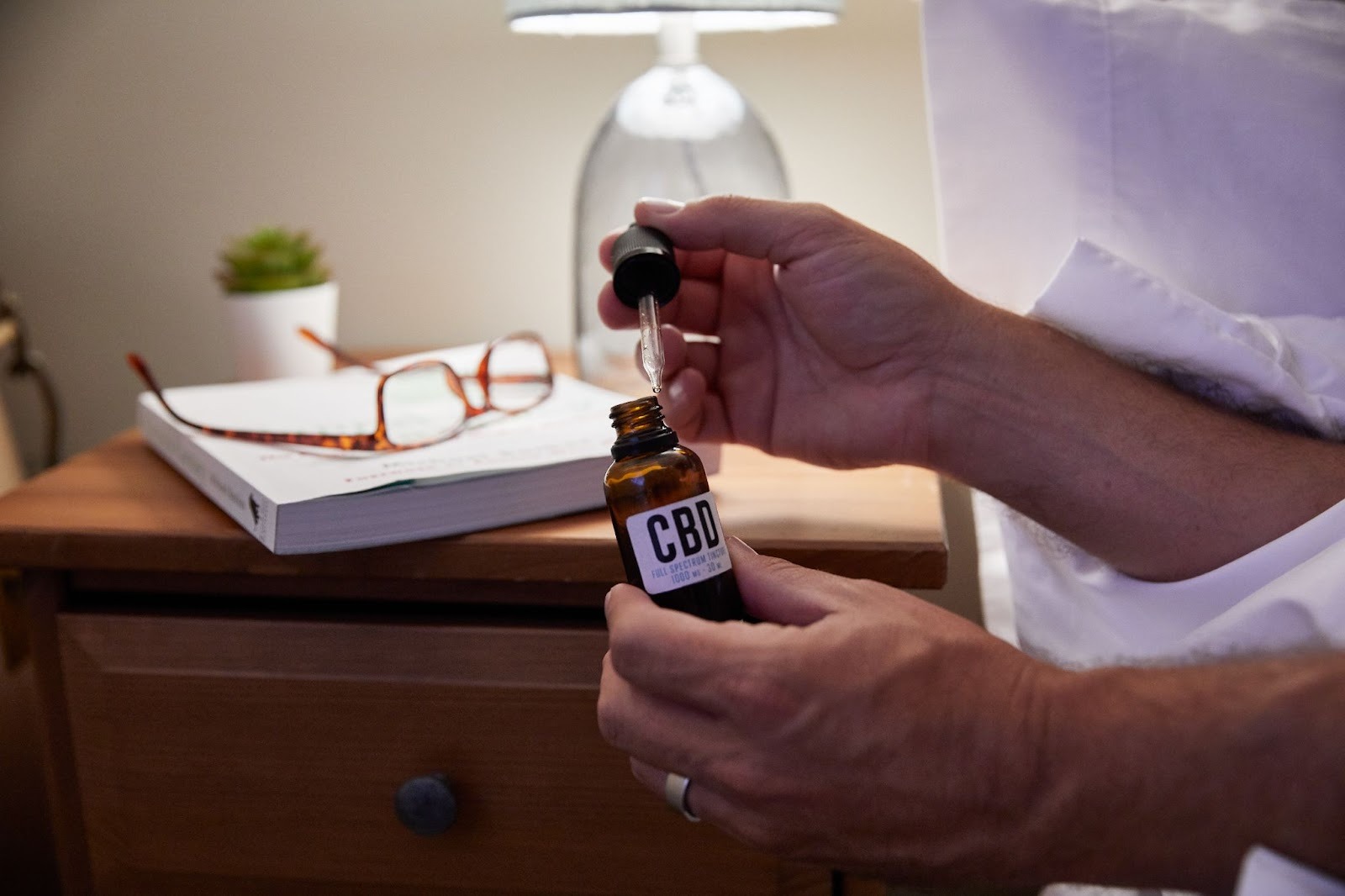
Photo by Gina Coleman/Weedmaps
Image lightbox

Choosing sleep products based on biological mechanisms
If you're considering using cannabis products as a sleep aid, there are factors you'll want to consider, as the cannabis profile you choose can have wide-ranging effects depending on the specific sleep issue you're trying to solve.
For instance, if pain or anxiety is preventing you from sleeping, CBD might be the most helpful. If you're having nightmares, you may want to use a THC-dominant product. If you're looking for something primarily with sedative effects, a product with a higher CBN profile could be the ticket.
The method of ingestion is also key. If you're looking for a more immediate sedative effect, smoking or vaping may deliver the desired result faster. However, if your issue is sleep maintenance (i.e., you struggle to stay asleep), you might be better off taking a gummy, as it will take longer to take effect and last longer into the night.
Dosage, too, is critical. And as with any cannabis product, it's essential to follow the time-honored maxim: Start low and go slow.
“You want to find the smallest dose that works that doesn't cause unwanted side effects,” Vandrey says.
Bottom line
Understanding how cannabis interacts with your endocannabinoid system and circadian rhythm can help you make more informed decisions about using it as a sleep aid. While THC has shown promise for acute sleep issues, and CBD and CBN offer their own unique benefits, the key is finding the right product, dosage, and method of consumption for your specific needs.
As research continues to evolve, one thing remains clear: when used thoughtfully and occasionally, cannabis can be a valuable tool in your sleep wellness toolkit. Remember to start with low doses, increase gradually, and pay attention to how your body responds.
Order gummies and other cannabis products for delivery or pickup from a dispensary near you.
The information contained in this site is provided for informational purposes only and should not be construed as medical or legal advice.