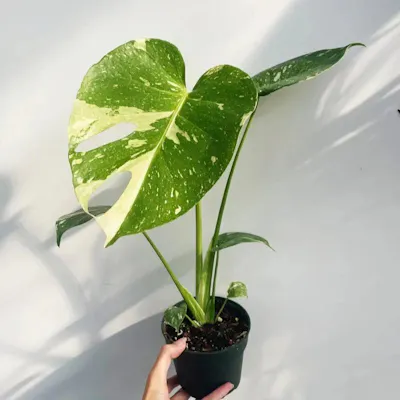
Eds Plant Shop Thai Constellation Monstera - Rare Monstera Plant 4In Nursery Pot
$55.00
Quantity
1
Product description
Unveiling the Beauty of the Thai Constellation Monstera The Thai Constellation Monstera is a plant enthusiast's dream, known for its large, fenestrated leaves that showcase creamy white splashes and marbling against a deep green backdrop. This rare variety is highly prized for its unique and captivating appearance, making it a standout addition to any plant collection. Whether you're a seasoned collector or a novice, this plant will undoubtedly become a centerpiece in your indoor garden. Fun Fact About Monstera – The Science Behind the Variegation The stunning variegation in the Thai Constellation Monstera is not just for show—it's the result of a genetic mutation that affects chlorophyll production. This mutation leads to the beautiful cream-colored patches on the leaves, making each leaf unique. The name "Thai Constellation" was inspired by the plant's star-like patterns, reminiscent of a constellation in the night sky. Did You Know? – Monstera’s Natural Climbing Habit In its native habitat of South and Central America, the Monstera deliciosa is a natural climber, often scaling trees to reach sunlight. While it may not need to climb indoors, providing a moss pole or trellis can help support its growth, allowing it to develop those iconic, fenestrated leaves. Thai Constellation Monstera Plant Profile Botanical Name: Monstera deliciosa 'Thai Constellation' Common Name: Thai Constellation Plant, Thai Constellation Family: Araceae Native Range: South and Central America Thai Constellation Monstera Care Guide Care Level: Easy – Ideal for both beginners and experienced plant parents. Light: Thrives in bright, indirect light but can tolerate medium to low light conditions. Water: Water thoroughly once the top inch of soil is dry. Avoid waterlogging to prevent root rot. Humidity: High (60-90%) – A humid environment helps maintain the plant’s vibrant variegation. Temperature: 50-95°F – Prefers warm temperatures and should be kept away from cold drafts. Pruning: Prune as needed to remove brown or dead leaves and maintain the plant’s shape. Feeding: Fertilize during spring and summer with a balanced liquid fertilizer to support growth. Growth: Trailing – This plant can trail or climb, making it versatile for various display options. Propagation: Propagate through cuttings to share this rare beauty with fellow plant lovers. Common Pests: Be vigilant for spider mites, which can be managed with regular inspections. Toxicity: Toxic to humans and pets – Keep out o
Cultivation
Prices, both original and discounted price, are set by the retailer and not set or verified by Weedmaps.